IMF warns Middle East energy shock could slow Asia’s growth sharply
Asia entered 2026 strong, but the Middle East energy shock could cut regional growth by up to 2 points by 2027 and hit poorer importers hardest.
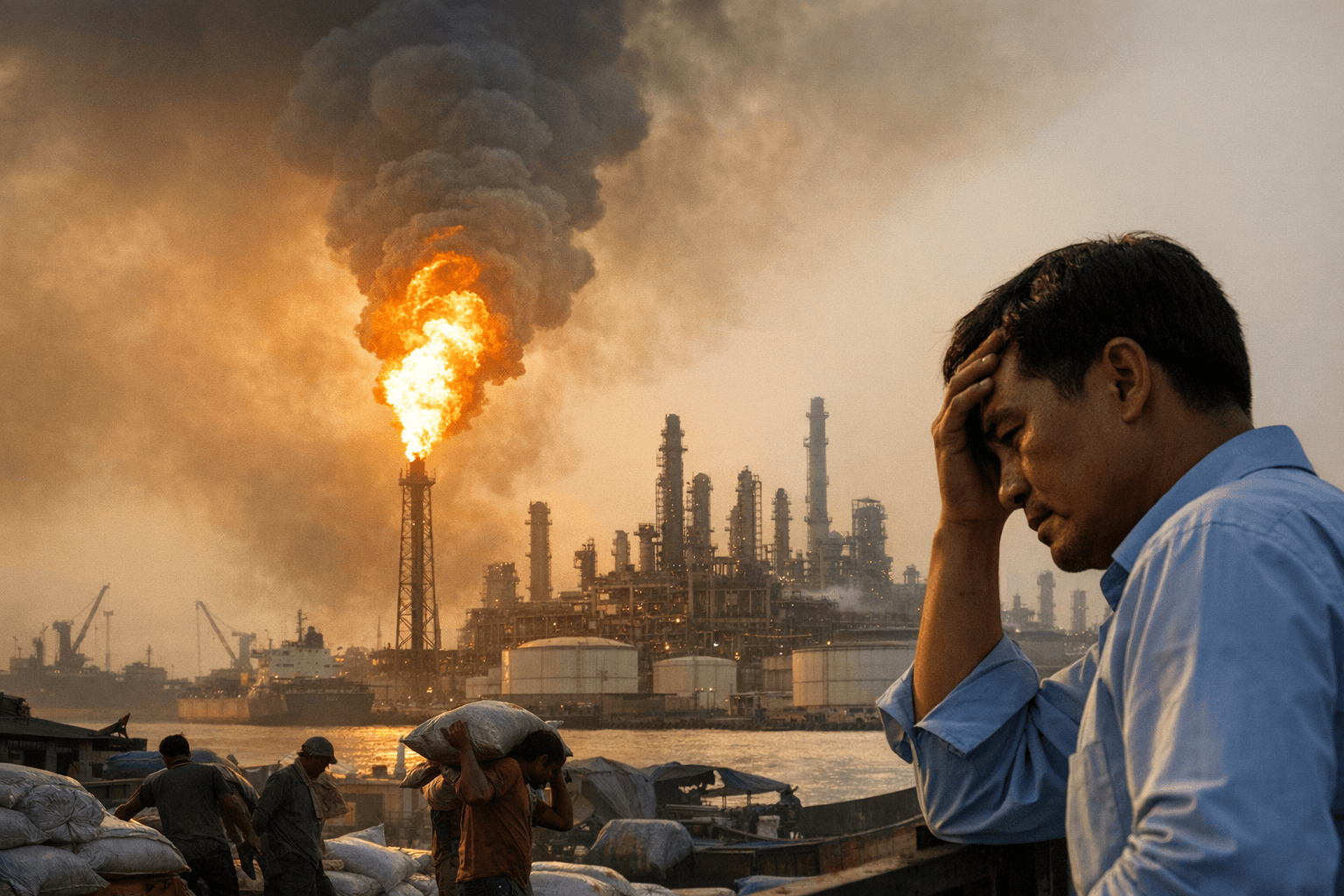
Asia’s growth engine is still running, but the Middle East energy shock is starting to test the region’s defenses. The International Monetary Fund said Asia entered 2026 on a strong footing after resilient growth in 2025 and robust trade, yet warned that higher fuel prices are now lifting inflation, worsening external balances and narrowing policy options across economies that depend heavily on imported oil and gas.
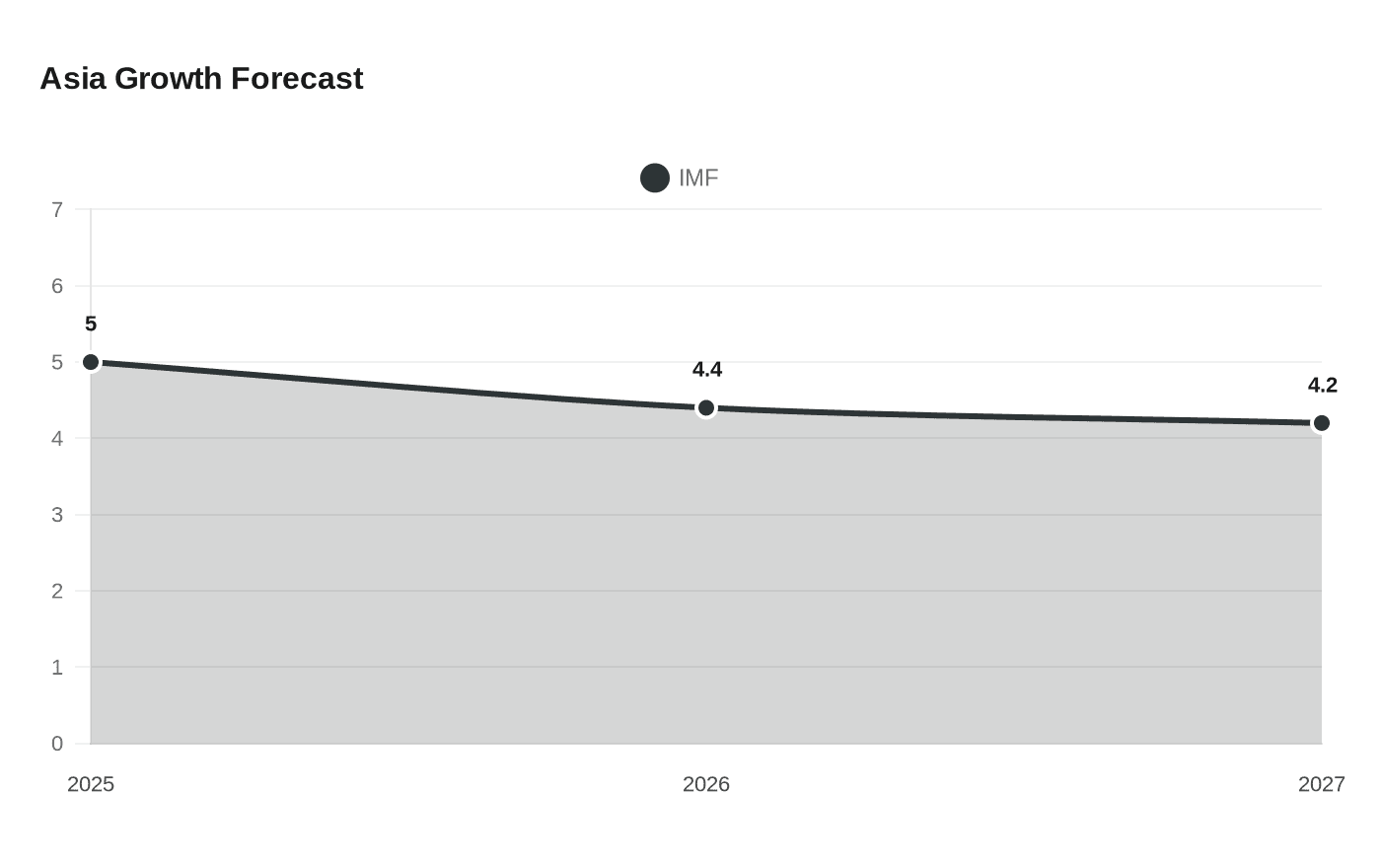
In the IMF’s reference scenario, Asia’s growth is projected to slow from 5% in 2025 to 4.4% in 2026 and 4.2% in 2027. In more severe scenarios, the shock could shave 1 to 2 percentage points off regional growth cumulatively through 2027, a reminder that the costs of an energy disruption do not stop at the pump. They pass through import bills, power costs, factory margins and household budgets.
The pressure is especially sharp in Asia-Pacific economies, which are deeply tied together through cross-border supply chains and rely heavily on Middle Eastern energy imports. That makes the region more vulnerable than others to a prolonged war-induced energy shock. The IMF, the World Bank and the International Energy Agency have all warned that the impact is highly asymmetric, with poorer and energy-importing countries facing the biggest hit from higher oil, gas and fertilizer costs. For those economies, the shock can quickly become a food-security problem as well as an inflation problem.
The broader regional outlook is already softer. The World Bank said growth in developing East Asia and Pacific is projected to slow to 4.2% in 2026 from 5.0% in 2025. The Asian Development Bank also said the Middle East conflict is expected to weigh on developing Asia and the Pacific’s outlook even if oil prices stabilize, underscoring that the damage runs beyond the immediate move in crude. Higher energy costs can still squeeze manufacturing, disrupt trade flows and erode consumer demand.
The IMF still expects Asia to remain the main driver of global growth, but the message from Washington is clear: the region’s resilience is being measured against a harsher energy backdrop. If the conflict drags on, the first effects will be visible in import bills and inflation data. The deeper risk is that weaker external balances and tighter policy room leave Asian economies with fewer tools just as the shock spreads through factories, trade and household spending.
This article was produced by Prism’s automated news system from verified source data, official records, and press releases, then run through automated quality and moderation checks before publishing. The system is built and supervised by the people who set the standards it runs under. Read our full AI policy.
Did this article answer your question?


