India blocks viral Cockroach Janta Party over national security concerns
A parody party born from a judge’s “cockroaches” remark drew 5,000 sign-ups in hours and then 19 million Instagram followers, alarming officials.
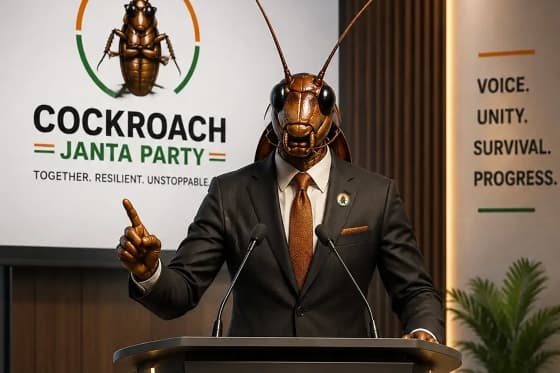
What started as a joke has turned into a political signal. Abhijeet Dipke, a 30-year-old Indian student in Boston, launched the Cockroach Janta Party on May 16 with a Google form posted on X, and the registration link drew more than 5,000 responses within hours as angry, disillusioned young users latched onto its satire.
The spark came a day earlier, when Chief Justice of India Surya Kant used the words “cockroaches” and “parasites” in oral remarks that drew a fierce online backlash. Kant later clarified that he was referring to people using fake or bogus degrees to enter professions such as law and media, not unemployed youth broadly. Dipke turned that anger into a parody outfit that now describes itself as a voice for the “lazy and unemployed,” with “zero sponsors and five demands,” and calls itself “one large, stubborn swarm.”
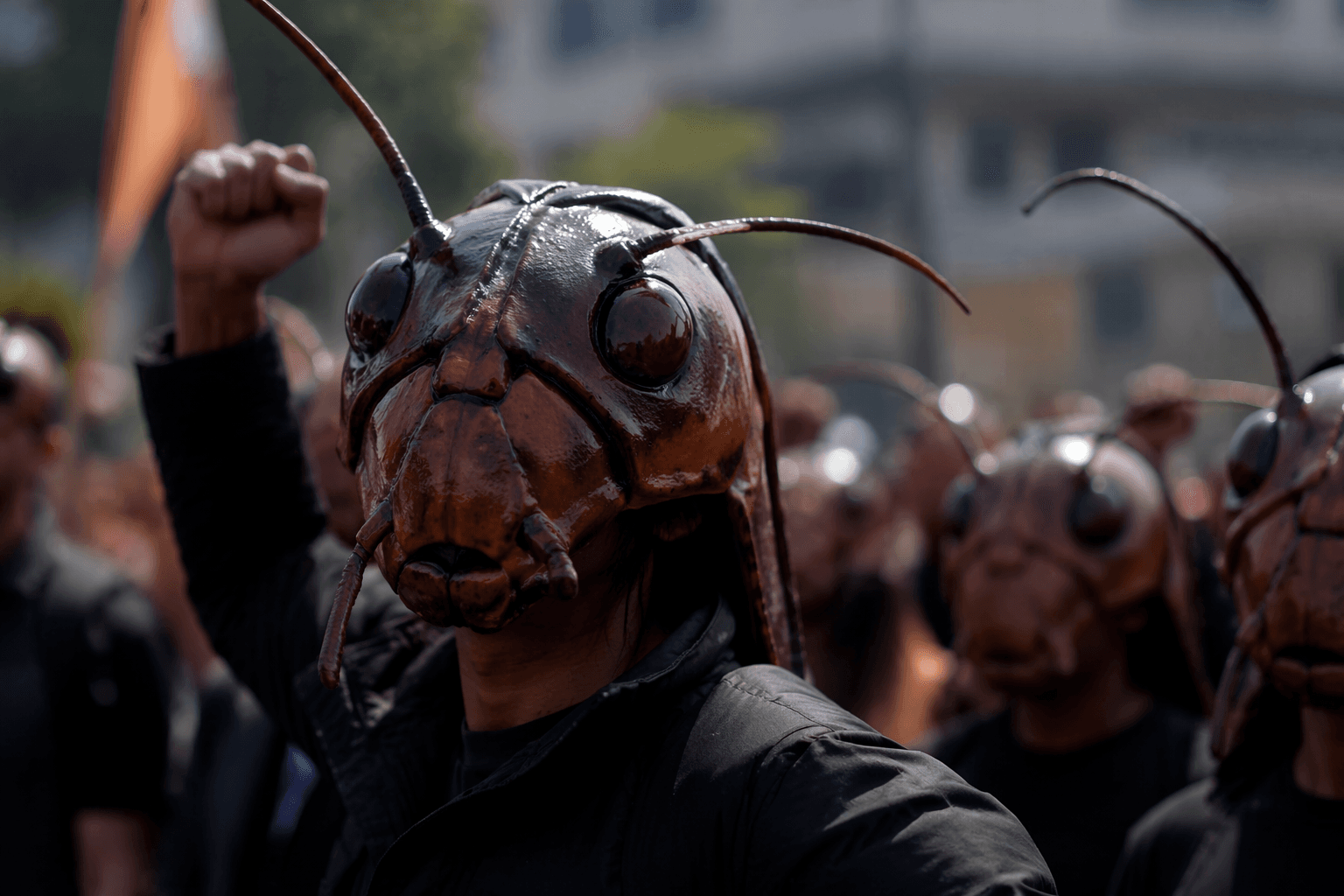
The scale of the response has made the movement harder to dismiss as internet theater. Dipke, who is pursuing a master’s degree in public relations at Boston University and previously volunteered with the Aam Aadmi Party social media team from 2020 to 2023, said the project is meant to channel youth dissent, humour and frustration with India’s political system. Within about a week of launch, the party’s Instagram following reportedly surged past 19 million, a sign of how quickly anti-establishment messaging can spread when it is packaged for digital platforms.
That reach also triggered a state response. On May 21, X withheld the Cockroach Janta Party account in India after a request linked to national security concerns. A senior government official said the Intelligence Bureau flagged the account because its content was gaining traction among young people and could threaten sovereignty and national security. Dipke then announced a replacement account called “Cockroach is Back,” keeping the campaign alive even after the block.
The backlash has become personal. Dipke said he has received threats against himself and his family in Maharashtra’s Chhatrapati Sambhajinagar, including messages claiming people had reached outside his home. His parents, Bhagwan Dipke and Anita Dipke, said they have lost sleep over the campaign and fear he could be arrested, while urging him to focus on getting a job instead of politics.
Dipke has also pushed back against attempts to cast the movement as a foreign-style uprising, saying he does not want it compared with unrest in Nepal, Sri Lanka or Bangladesh. For India’s political class, the episode is a warning that satire can become a vessel for real grievance, and that digital organizing around unemployment, status and frustration with institutions is now capable of drawing mass attention in a matter of days.
Know something we missed? Have a correction or additional information?
Submit a Tip
