Trump’s anti-weaponization fund sparks GOP revolt in Senate
Trump’s $1.8 billion anti-weaponization fund stalled an immigration bill and exposed a rare Republican break with the president. Senate leaders are now weighing how far they can resist.

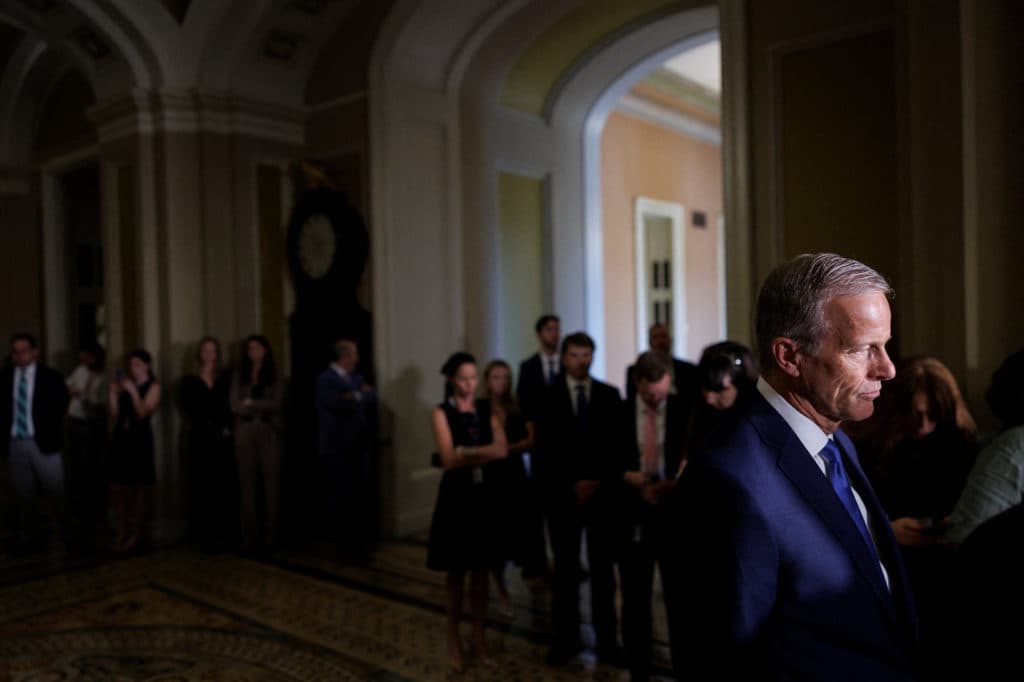
Trump’s push for a $1.8 billion Justice Department anti-weaponization fund jolted Senate Republicans this week, derailing their plans to advance his priority immigration enforcement package and forcing a delay in a key vote. What had been sold by Trump allies as a mechanism to target people he says were wrongly treated by the justice system instead became a flash point over whether the party is governing around Trump’s grievances or around the Senate’s legislative calendar.
The resistance was not merely procedural. Senate Majority Leader John Thune said he was “not a big fan” of the new fund, a public rebuke that underscored how exposed Trump has become inside his own party when his priorities collide with Senate strategy. Sen. Chuck Grassley defended the fund, illustrating a split between Republicans who still see political value in following Trump’s revenge politics and those who worry the issue is turning into a “slush money” or “lawfare” payout vehicle. The dispute surfaced deep divisions over the direction of the party and its priorities at a moment when Republicans can least afford internal paralysis.
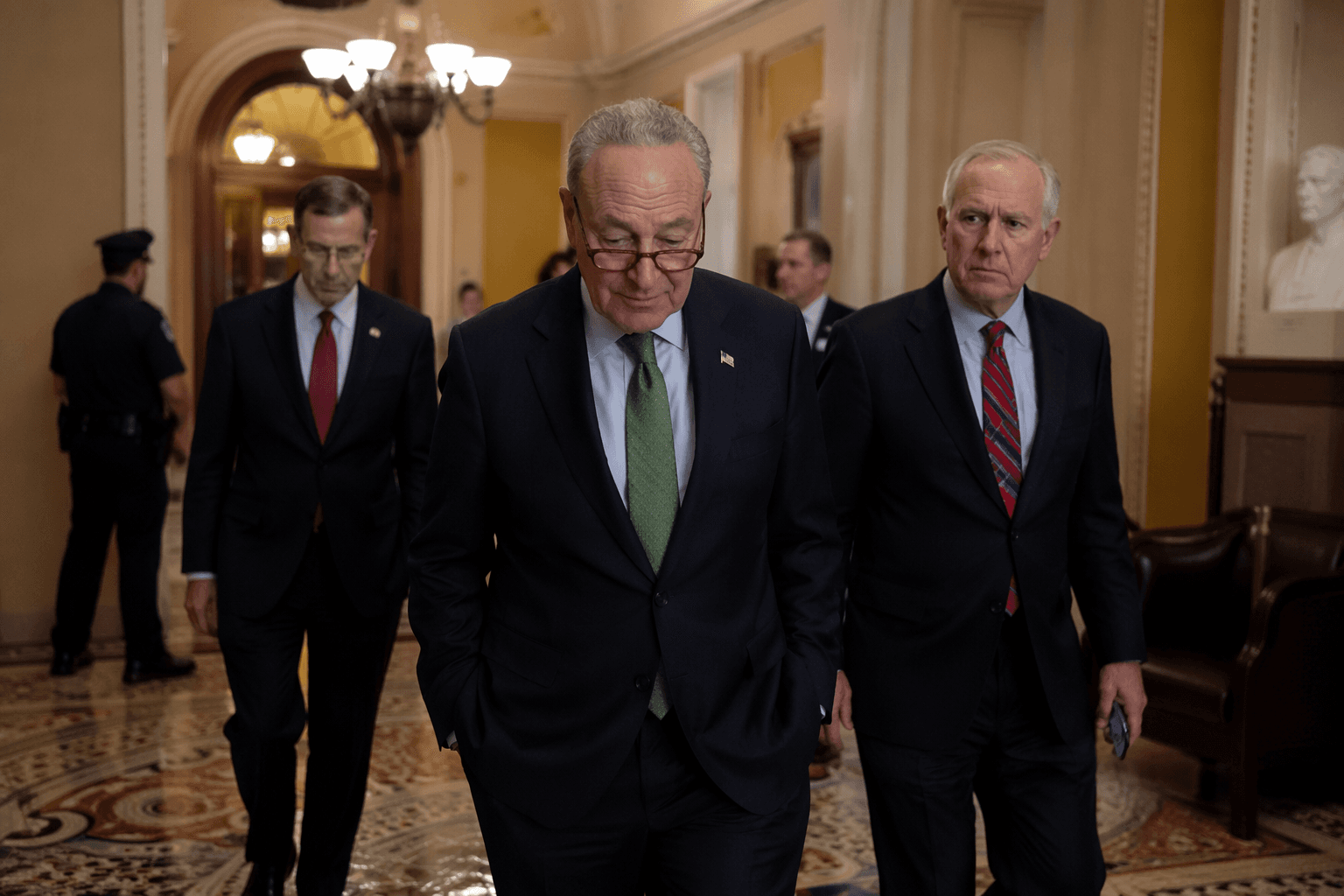
The revolt came after a week in which Trump showed he still has the power to punish dissidents. He endorsed Texas Attorney General Ken Paxton over Sen. John Cornyn in the Texas GOP runoff on May 19, one week before the June 3 election, after a year of intraparty lobbying. In Indiana, Trump-backed challengers defeated at least five of seven Republican state senators who had opposed his effort to redraw the state’s congressional maps. That redistricting fight mattered because Indiana Republicans currently hold seven of the state’s nine U.S. House seats, and the rejected plan was designed to give the GOP two more.
Taken together, the week made Trump look both strong and boxed in. He can still shape primaries, threaten incumbents and extract loyalty through fear, but the Senate fight suggested that those tactics have limits when they collide with governing demands. Republicans are trying to defend razor-thin congressional majorities and vulnerable seats in states like Texas, and some senators appear increasingly willing to resist Trump when his demands threaten the party’s midterm prospects.
That is what makes the anti-weaponization fight more than another Trump-versus-Congress clash. It is a test of whether Senate Republicans can draw a line on spending, nominations and loyalty demands, or whether every resistance still ends in retreat. For now, Trump’s leverage remains real. But so does the willingness of some Republicans to say no, and that shift could shape the party’s agenda long after this week’s vote delay.
Know something we missed? Have a correction or additional information?
Submit a Tip