Senate Republicans push back as Trump demands derail key deal
Trump’s push for a $1.776 billion prosecution fund and ballroom security money blew up a Senate deal, exposing rare Republican resistance.
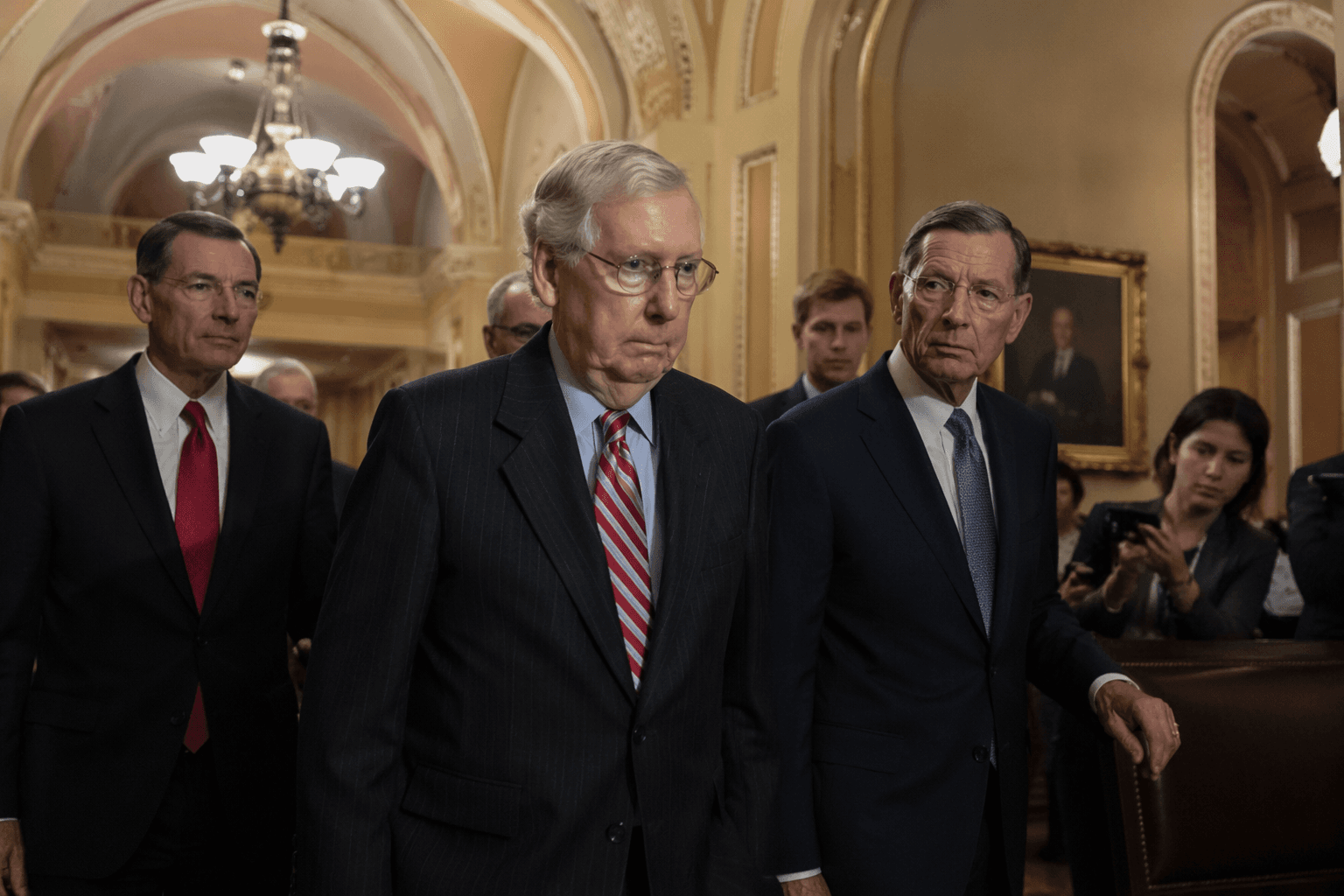
Donald Trump’s grip on Capitol Hill showed a crack this week when Senate Republicans stalled a key immigration and enforcement deal rather than swallow his demands for a $1.8 billion, or $1.776 billion, “anti-weaponization” fund and another $1 billion in security money tied to a new White House ballroom project. The standoff forced leaders to postpone a vote on funding for ICE and Border Patrol, blowing past Trump’s June 1 target and exposing how quickly his agenda can run into resistance when it collides with GOP fears about the 2026 map.
The break was especially notable because Trump still knows how to punish Republicans who cross him. His backed challengers knocked off Sen. Bill Cassidy of Louisiana and Rep. Thomas Massie of Kentucky, and he has now endorsed Texas Attorney General Ken Paxton over Sen. John Cornyn in the Texas GOP runoff. That gave Trump another reminder of where his leverage remains strongest: in primaries, where fear of his endorsement still shapes Republican survival instincts.
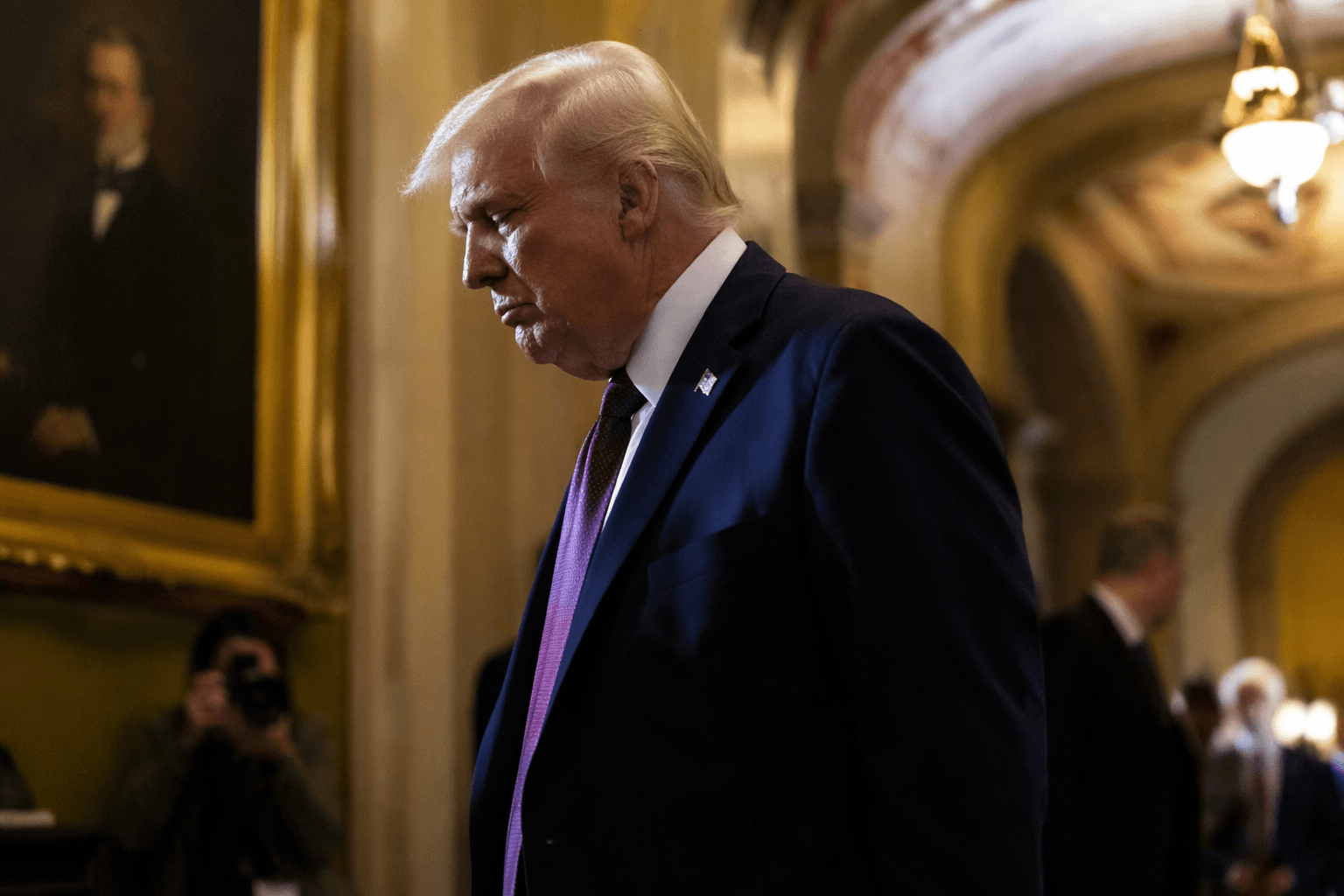
Inside the Senate, though, the mood hardened against him. A senior GOP aide summed up the temperature bluntly: “All 53 Republican senators are not happy right now.” Republicans hold 53 seats and are now less than six months from Election Day, which made the political risks of Trump’s package hard to ignore. Senate Majority Leader John Thune made clear that the legislative math could not be separated from the political climate, a sign that even GOP leaders are weighing whether helping Trump on his priority fights could hurt the party’s chances of keeping the majority.
The rebellion was not total, and it may yet prove tactical rather than structural. Trump still commands deep loyalty from much of the party, and his ability to shape primaries remains formidable. But the week’s votes and delays showed a different reality on governing days: Senate Republicans were willing to slow a president of their own party when his demands threatened to drag them into politically toxic territory, especially around Jan. 6-related money and a ballroom-linked security request. House Republicans added to that picture by delaying a war-powers vote on Iran after some members signaled support, another sign that Trump’s influence is no longer automatic on every floor fight.
For now, the evidence points to a party that is still Trump-led but less Trump-obedient when the cost lands on Senate Republicans defending a fragile majority. That is not a full break. It is a warning that his power on Capitol Hill is strongest when it is abstract, and weakest when it shows up as a vote.
Know something we missed? Have a correction or additional information?
Submit a Tip