Trump’s $1.8 billion anti-weaponization fund deepens Republican rift
Trump’s $1.776 billion settlement fund has split Republicans, who see a taxpayer-backed payout machine with few guardrails and no clear precedent.

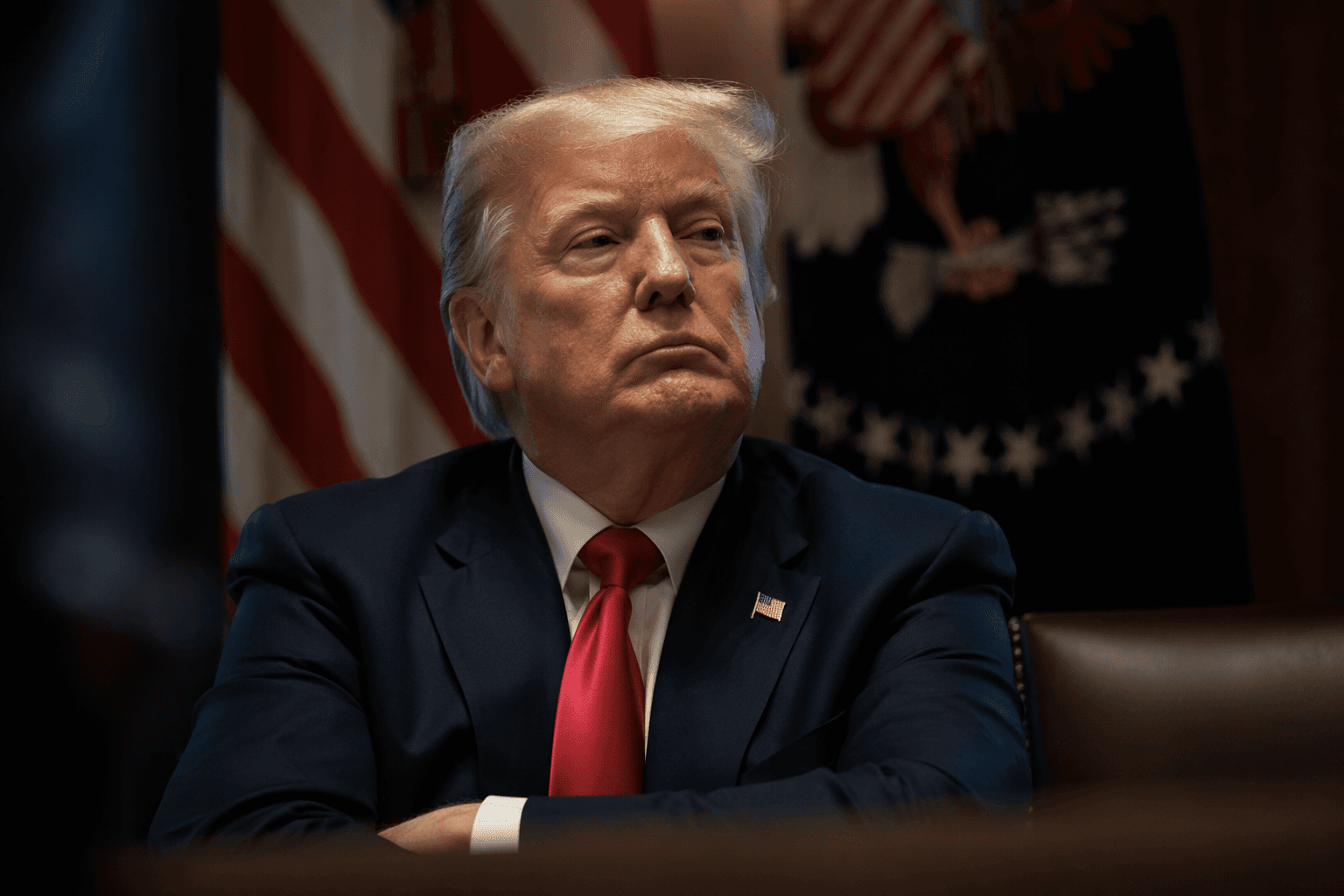
A $1.776 billion “Anti-Weaponization Fund” has turned into more than a legal settlement. It has become a test of presidential power, party loyalty and the limits of using the machinery of government to compensate political allies.
The Justice Department announced the fund on May 18 as part of the settlement in Trump v. IRS, after Donald Trump’s $10 billion lawsuit over the leak of his tax returns. The case was filed by Trump, Donald Trump Jr., Eric Trump and the Trump Organization, and the deal followed Trump dropping related claims tied to the Mar-a-Lago search and the Russia investigation. Reporting also indicated the settlement included terms limiting IRS audits and investigations of Trump, his family and related businesses, deepening concerns that the arrangement could wall off a sitting president and his empire from ordinary scrutiny.
That structure has fueled accusations that the fund is not a narrow legal remedy but a channel for patronage. NBC News reported that former Justice Department official Ed Martin had predicted millions could flow to Jan. 6 defendants, yet the fund ended up far larger, reaching into the billions. The larger question is not just who might receive the money, but who controls it, what legal guardrails exist and whether a president can sue his own government, settle with the executive branch he commands and direct taxpayer-backed money toward favored claimants with limited transparency or congressional approval.
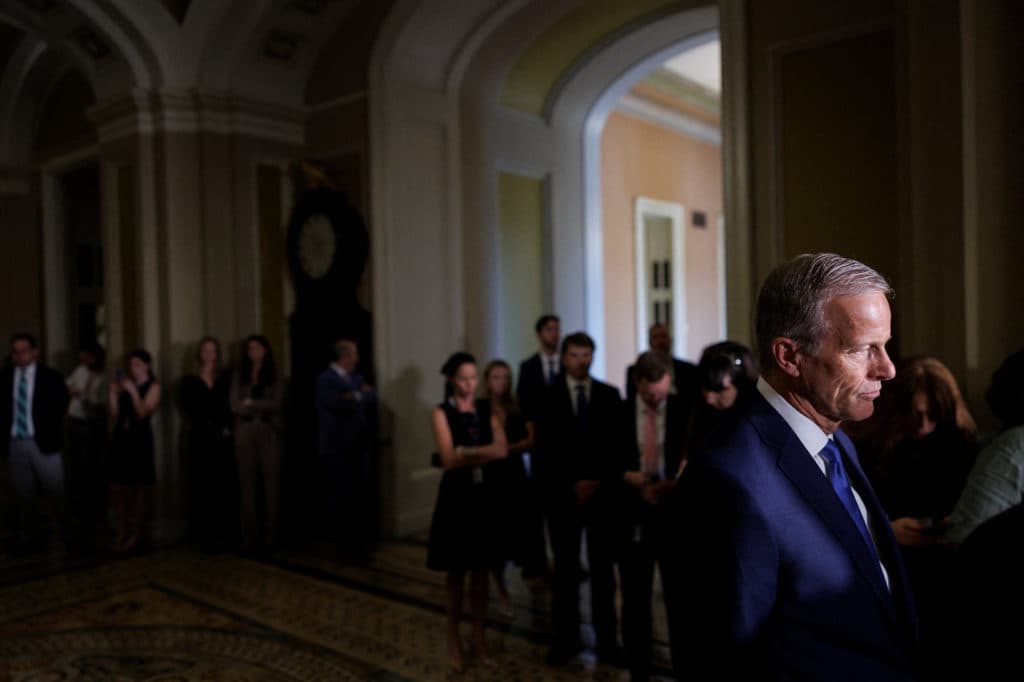
Even Republicans have recoiled. Senate Majority Leader John Thune said he was “not a big fan” of the fund. Senator Thom Tillis went further, calling it a “payout pot for punks.” Senator Bill Cassidy said he saw no legal precedent for creating such an arrangement and warned that it resembled self-dealing. On Capitol Hill, the backlash has been tangled up with broader GOP friction over Trump’s agenda, with congressional Republicans delaying unrelated votes as they weighed how to respond.
Democrats moved quickly to try to block the precedent. House Judiciary Committee Democrats said Representative Jamie Raskin introduced the No Taxpayer-Funded Settlement Slush Funds Act of 2026 on May 20 to restrict federal settlement money. A day later, Senators Ron Wyden and Chuck Schumer introduced legislation that would impose a 100 percent excise tax on payments from the fund. The dispute now reaches beyond one settlement and into a central question of this presidency: whether grievance politics can be converted into a taxpayer-funded instrument of influence.
Know something we missed? Have a correction or additional information?
Submit a Tip