India, US race to close first trade deal by mid-July
India and the United States are pressing to finish a first trade tranche by mid-July, even as new U.S. tariff pressure complicates the talks.
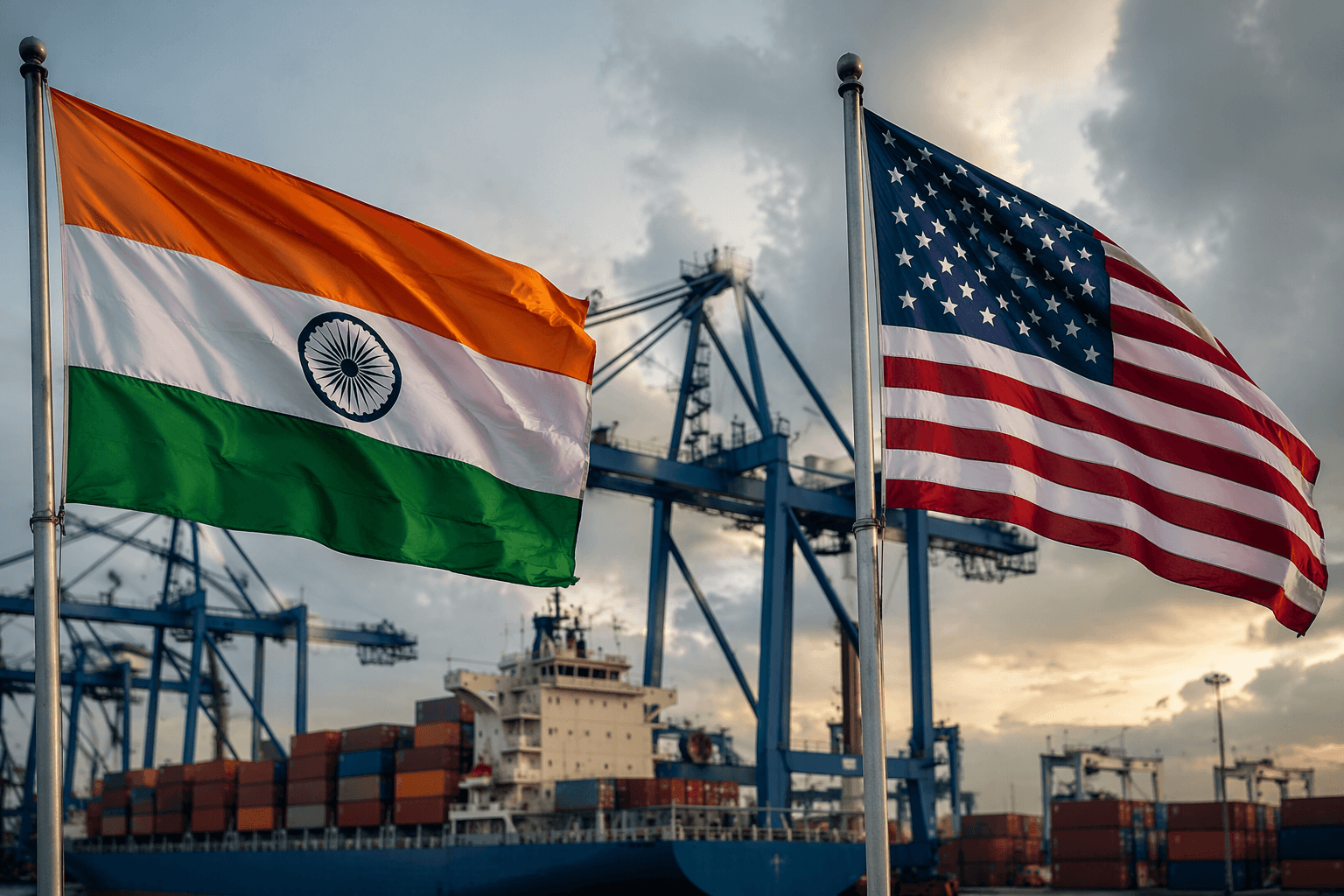
India and the United States are racing to lock in an initial trade package by mid-July, with New Delhi saying the opening tranche could deliver preferential access over competitors even as tariff pressure rises on both sides of the table.
Talks in New Delhi ran from June 1 to June 4 and were described by India’s commerce ministry as constructive and positive across goods, non-tariff measures, customs and trade facilitation, economic security alignment and other areas of mutual interest. The U.S. delegation was led by Brendan Lynch, the assistant U.S. trade representative for South and Central Asia, while India’s chief negotiator was Darpan Jain, an additional secretary in the Department of Commerce. Piyush Goyal, India’s trade minister, said the two sides were moving fast to close the remaining open issues and said that “by sometime in the middle of next month or so, the sides should be in a position to execute a vibrant first tranche.”
The urgency comes after Washington and New Delhi reached an initial understanding on a trade deal in February, then saw momentum slow after Donald Trump’s sweeping tariff measures were struck down by the Supreme Court of the United States. Negotiations picked up again in the latest New Delhi meetings, and a higher-level U.S. delegation is likely to visit India later this month. An earlier 2026 framework had already shown the shape of an incremental bargain, with tariffs on Indian goods reduced to 18% as part of an initial arrangement.
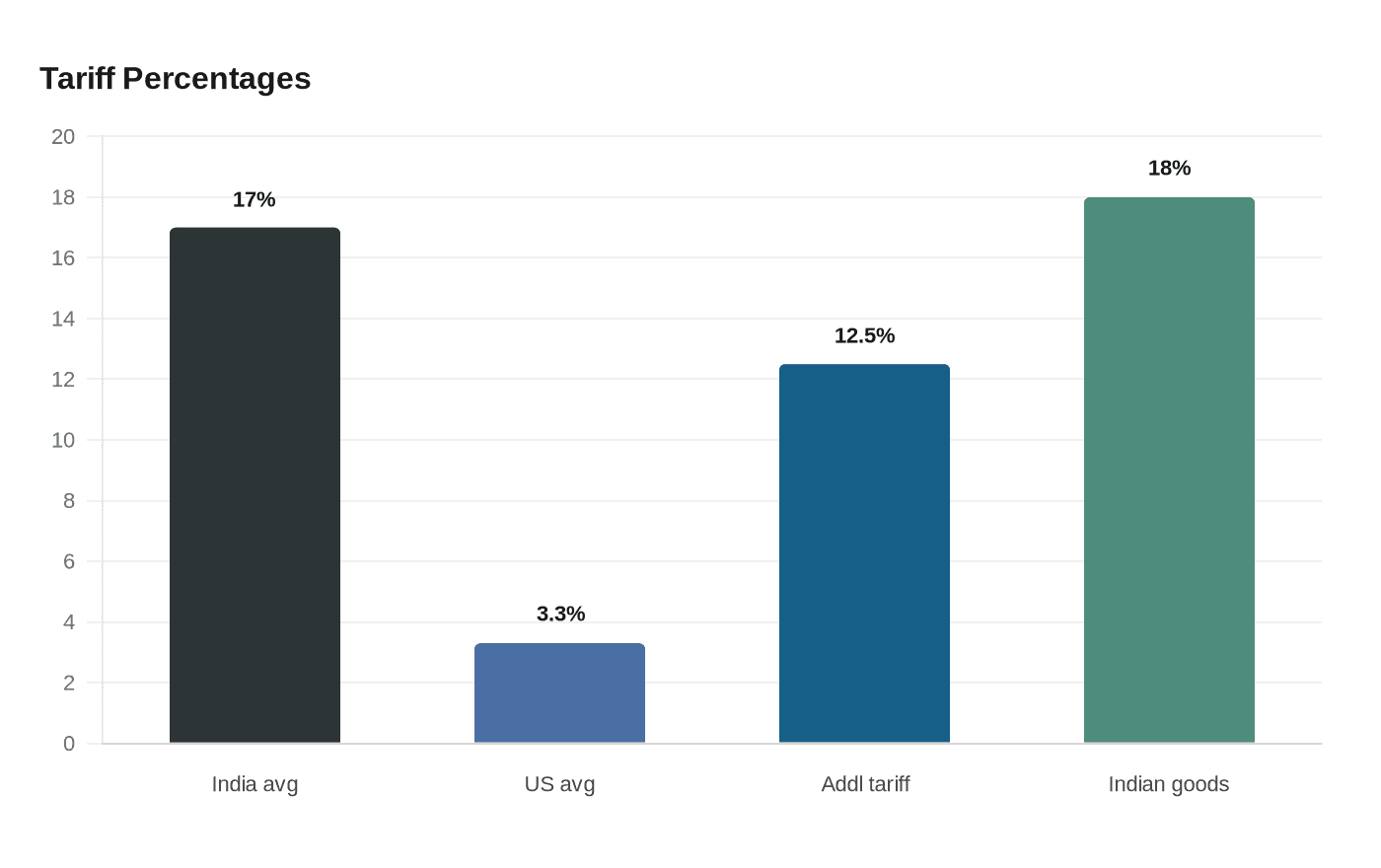
The first tranche matters because the trade relationship is already large and uneven. The Office of the United States Trade Representative says bilateral goods trade totaled an estimated $129.2 billion in 2024, while the U.S. goods trade deficit with India reached $58.2 billion in 2025, up 27.1% from 2024. USTR also says India’s average applied tariff is 17%, compared with 3.3% for the United States, a gap that helps explain why even limited relief could alter export competitiveness, sourcing decisions and market access in sectors from manufacturing to agriculture.
But the window for a clean political win is narrowing. On June 2, USTR said it had launched and then proposed action in 60 Section 301 investigations over failures to enforce bans on imports made with forced labor, with additional tariffs of up to 12.5% under the Trade Act of 1974. India was among the economies caught in that broader push, underscoring how trade, labor enforcement and supply-chain geopolitics are now colliding in the same negotiation. For both capitals, the first tranche is less a finish line than a test of whether strategic rhetoric can be translated into concrete tariff terms.
This article was produced by Prism’s automated news system from verified source data, official records, and press releases, then run through automated quality and moderation checks before publishing. The system is built and supervised by the people who set the standards it runs under. Read our full AI policy.
Did this article answer your question?