India’s agave spirits boom taps local plants and premium tastes
India’s agave spirits are turning wild local plants into a premium category, with fast-growing demand, a new “agavepura” identity and export ambitions.
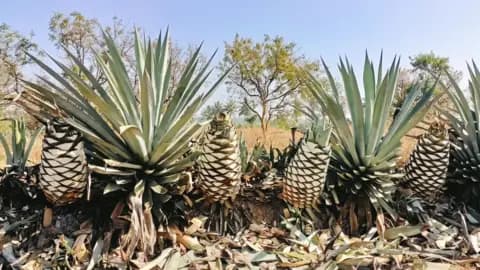
India’s agave boom is less a tequila copycat story than a premiumization play built on local plants. Distillers are betting that cocktail-friendly, provenance-driven drinks can win over younger consumers, while bars respond by carving out dedicated agave menus and putting Indian bottles on the top shelf.
A local plant becomes a premium proposition
Agave has been growing in India for more than 200 years, and that long presence is now being recast as a commercial advantage. Instead of importing the identity of tequila wholesale, producers are arguing that India can build a spirits category from a plant already rooted in the country’s landscape and agricultural history.
That pitch matters because it fits the broader shift in India’s alcohol market. Consumers are trading up, choosing drinks that signal origin, craft and mixability rather than just strength or price, and agave spirits sit neatly at that intersection. Producers say the appeal to younger drinkers is a mix of novelty, flavor and affordability, a combination that gives the category room to grow beyond a one-time curiosity.
Trade reporting suggests that momentum is already visible in the on-trade. Upscale bars are placing Indian agave spirits on premium shelves, bartenders are building agave-led cocktails around them, and some reports say demand is rising in the “triple digits.” In a market where presentation and story increasingly matter, agave has become a canvas for both.
From DesmondJi to a new generation of brands
The modern industry began in April 2011, when Desmond Nazareth launched DesmondJi in Goa as India’s first agave-based liquor. Later reporting said he remained the only agave spirit distiller in India until newer entrants began to appear, which shows how young the category still is even after more than a decade in the market.
One of the most visible new entrants is Pistola, which buys 100% agave spirit from Agave India Pvt Ltd, the parent company behind DesmondJi. That linkage is important because it shows how the category is expanding through both distilling and brand building, with one business supplying spirit while another pushes a consumer-facing identity into restaurants, bars and cocktail programs.
Pistola’s founders are hospitality operators with 20 restaurants and bars across India, including SAZ, the PCO speakeasy in New Delhi, and India Cocktail Week. That background gives the brand immediate access to the exact venues where premium spirits gain traction fastest: places where bartenders can explain the category, frame the cocktail and sell the idea of Indian agave as a deliberate choice rather than a tequila substitute.
How India is defining its own agave category
The most interesting part of the boom is that the category is being defined as distinctly Indian. Some brands and commentators are using the term “agavepura” to describe additive-free Indian agave spirits made from local plants, signaling a break from the idea that agave spirits must be measured only against Mexico’s tequila tradition.
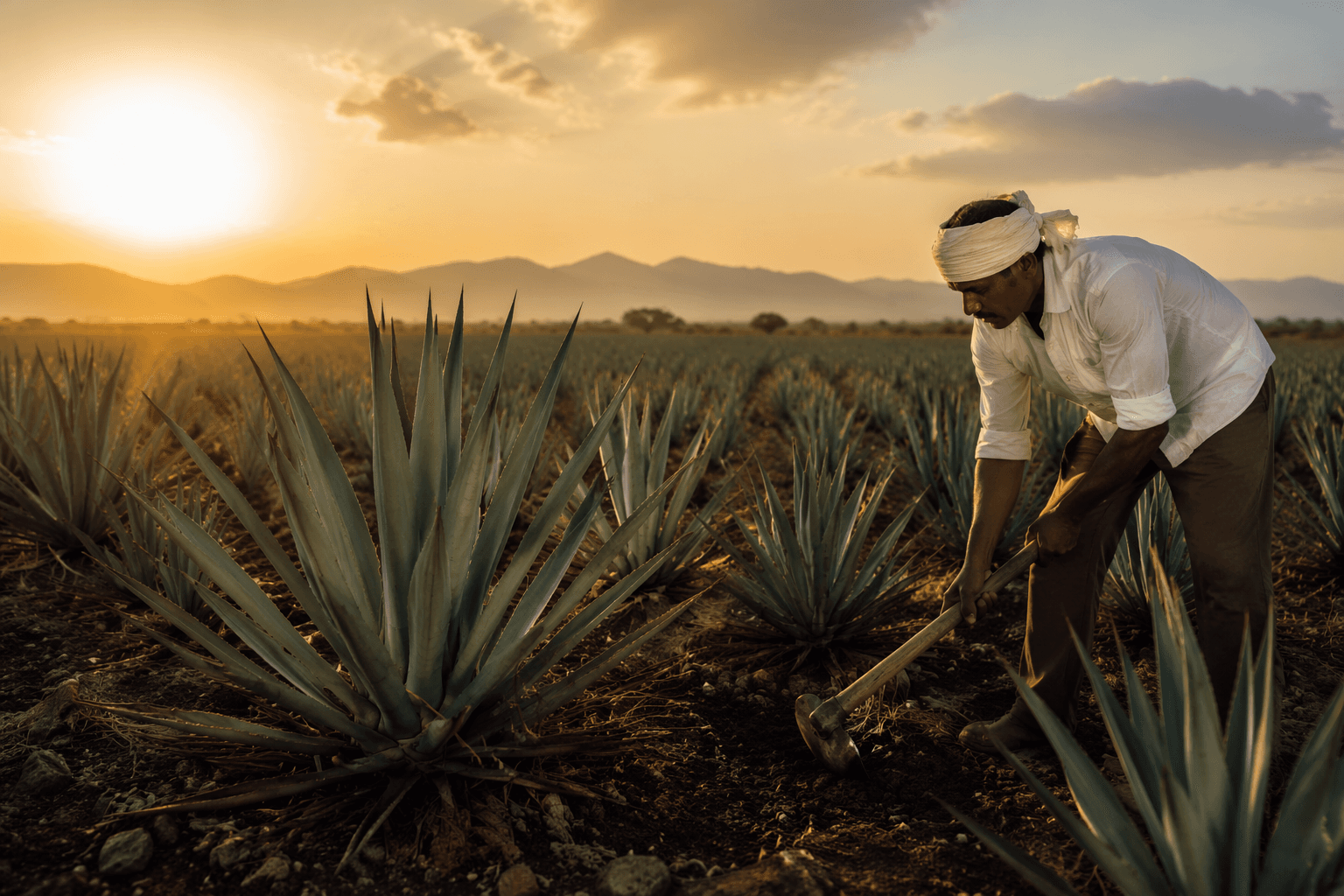
That framing is more than branding. It helps producers claim authenticity on their own terms, anchored in Indian-grown agave and local production rather than imitation. It also gives the market a cleaner story for premium buyers, who increasingly want spirits with a visible origin, a production philosophy and a sense of place.
Still, the category is not yet standardized. Producers face persistent challenges in cultivation, harvesting and consistency, which means the next phase of growth will depend on whether India can move from scattered production to a more reliable supply chain. Until that happens, “agavepura” remains as much a market-building exercise as a finished industrial category.
The numbers behind the surge
The commercial case for agave is supported by growth figures that would draw attention in any drinks segment. One industry report says India’s agave spirits market is expanding at a 12% compound annual growth rate, ahead of the global agave spirits market’s 8.5% pace. That gap suggests India is not just following an international trend, but outpacing it.
The opportunity looks even larger when viewed through the tequila lens. One market estimate places India’s tequila market at close to $700 million, with projections rising to $1.78 billion. Even if Indian agave spirits remain distinct from tequila, those numbers show the depth of consumer willingness to spend on agave-linked drinks in a country where premium categories are widening quickly.
Producers are responding accordingly. Agave Industries (India) said in 2024 that it was doubling production capacity to meet demand, a sign that supply is being pulled forward by faster-than-expected uptake. When a niche spirit starts triggering capacity expansion, it usually means the category has moved beyond branding and into operational planning.
Export story or luxury niche
The next question is whether Indian agave can become an export story or remain a domestic luxury niche. The ingredients for scale are real: a plant already adapted to Indian conditions, a growing base of premium drinkers, and a consumer market that increasingly rewards origin stories and cocktail use. If cultivation and standardization improve, India could position itself as a source of a new style of agave spirit rather than a low-cost mimic of tequila.
But the constraints are equally real. Agave spirits need reliable farming, disciplined harvesting and a consistent production profile if they are to travel well across borders and command premium shelf space abroad. Without that infrastructure, the category may stay strongest in urban bars, where narrative and novelty can carry higher price points even when volumes remain modest.
For now, India’s agave boom is a vivid example of how consumer tastes reshape a drinks economy. What began as a local experiment with a hardy plant is becoming a test case for premiumization, domestic reinvention and the ability of Indian producers to turn an old crop into a modern export idea.
This article was produced by Prism’s automated news system from verified source data, official records, and press releases, then run through automated quality and moderation checks before publishing. The system is built and supervised by the people who set the standards it runs under. Read our full AI policy.
Know something we missed? Have a correction or additional information?
Submit a Tip