Indonesia Launches Criminal Probe After Radioactive Contamination Found in Exports
Indonesia launches a criminal investigation after U.S. and European authorities detect traces of cesium 137 in shipments of frozen shrimp, spices and footwear, prompting alerts and export controls. Officials say levels detected so far do not pose acute health risks, but the probe and halted shipments underscore growing concerns about global food safety and supply chain oversight.
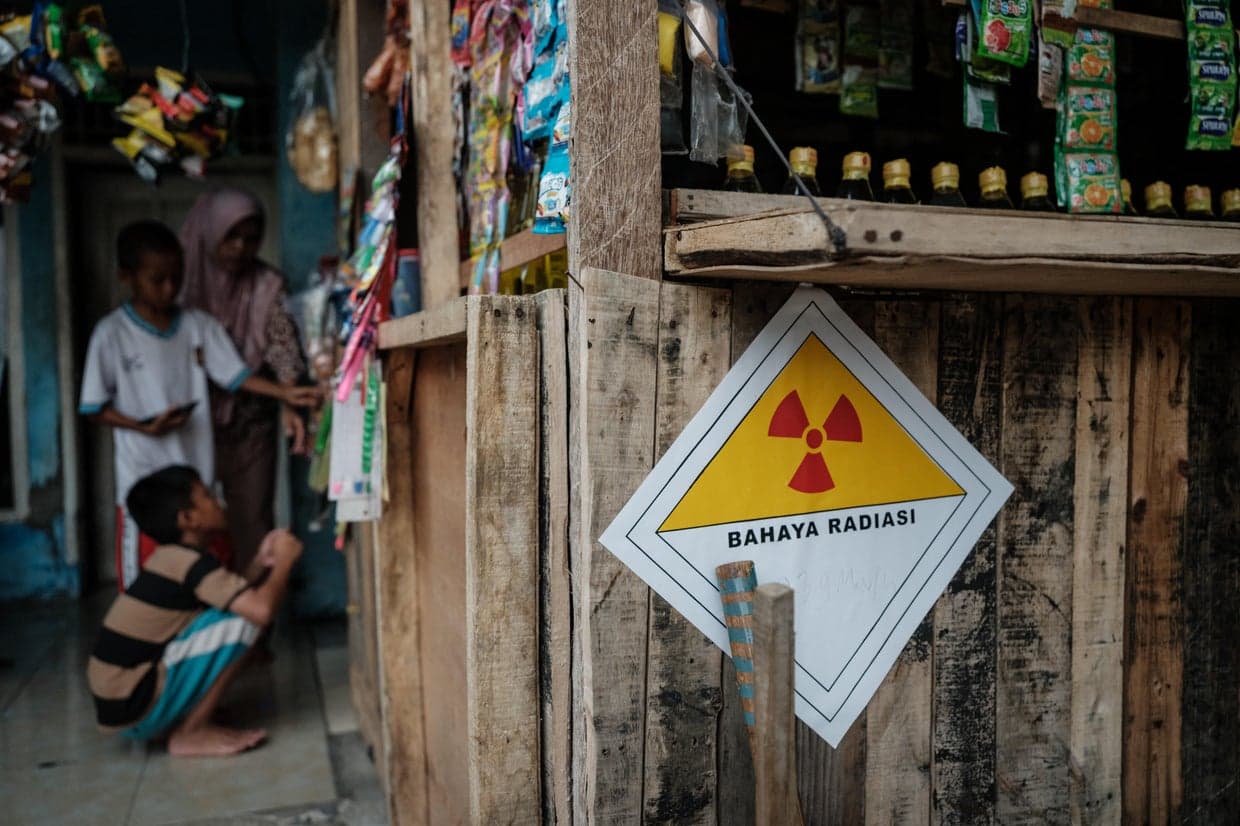
Indonesian authorities announced a criminal investigation on November 27 after foreign regulators detected traces of the radioactive isotope cesium 137 in multiple exported shipments, according to reporting by the Associated Press. The inquiry focuses on factories in the Cikande industrial estate and supplier chains linked to frozen shrimp, spices and footwear that were shipped to destinations in the United States and Europe.
The probe was launched after the U.S. Food and Drug Administration issued alerts about contaminated shrimp imports and European authorities reported similar findings. Indonesian officials said that about 20 facilities are implicated and that nine employees from those sites showed evidence of exposure and received medical treatment. Authorities have pledged to prevent further exports from implicated suppliers until investigators identify and clean up the source of contamination.
Cesium 137 is a radioactive byproduct of nuclear fission. It emits beta and gamma radiation and has a half life of roughly 30 years, which means contamination can persist in the environment for decades if not properly remediated. Public health officials typically assess exposure risk based on the isotope concentration and the pathway to humans, for example through food ingestion or direct contact. Indonesian authorities emphasized that the levels detected in the shipments did not present an acute health hazard, while stressing the seriousness of finding any radioactive material in consumer goods.
The discovery raises questions about industrial practices, regulatory oversight and waste management within complex manufacturing and supply chains. Factories in large industrial estates often process a wide range of inputs and materials, and investigators will be looking for improperly discarded medical or industrial sources, contaminated raw materials or compromised radiation detection and safety procedures. The criminal probe is intended to determine whether negligence, illicit disposal or other criminal acts led to contamination and to identify responsible parties.
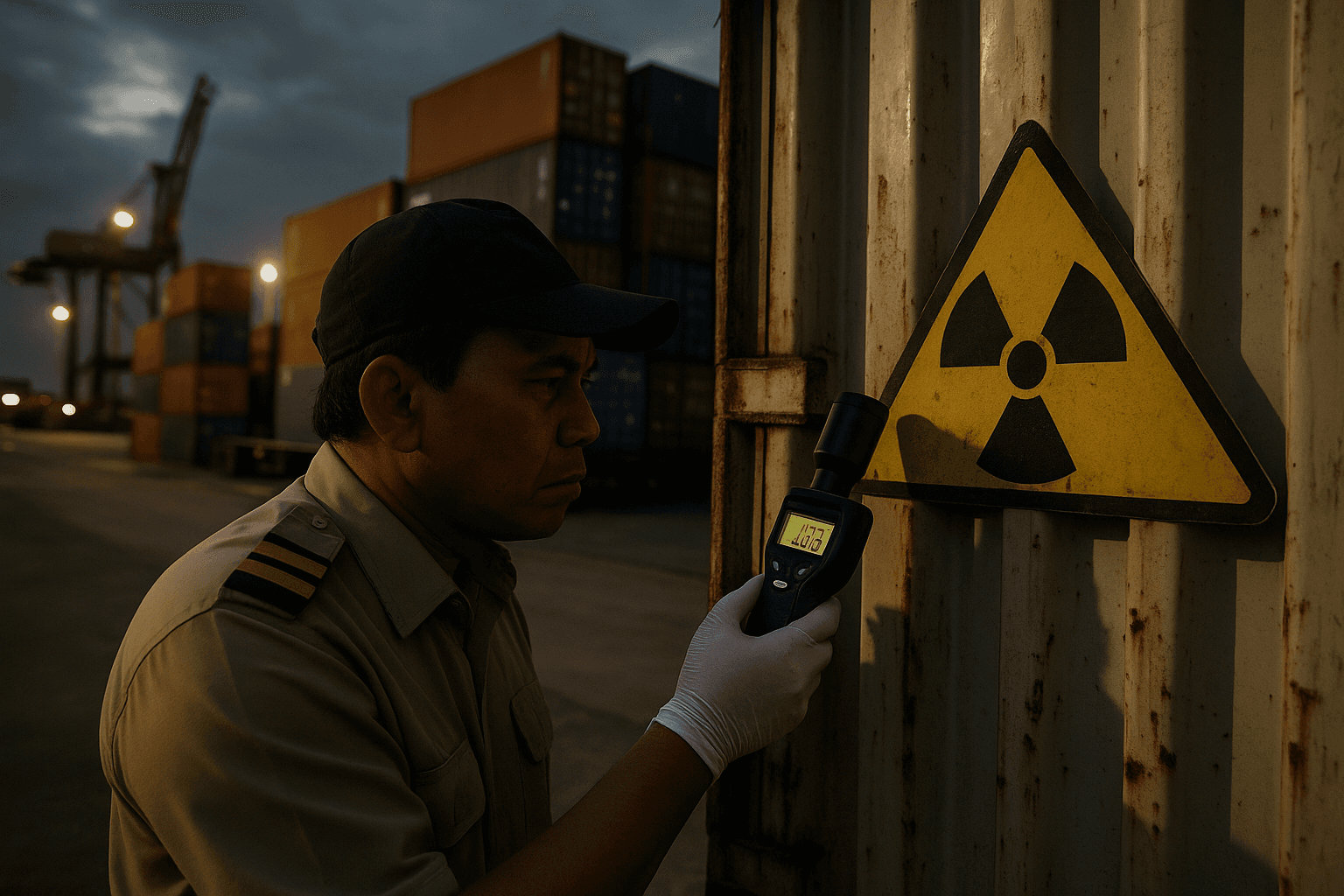
International trade and consumer confidence may be the immediate casualty of the incident. Importers and retailers who received alerted shipments will face recalls or destruction of goods, and buyers in major markets may impose tougher testing and certification requirements on Indonesian exporters. For small producers and workers in affected facilities, the interruption could mean lost income and reputational harm even if contamination proves localized.
Indonesia faces the dual task of reassuring trading partners and domestic consumers while carrying out a detailed technical investigation. That will require coordinated environmental testing, tracing of supply chains back to raw material sources, and health monitoring of exposed workers. Remediation of contaminated sites, if required, can be technically demanding and costly, involving removal of contaminated soil or equipment and long term monitoring.
The case underscores broader vulnerabilities in globalized supply chains, where a single contamination source can affect products destined for multiple countries. Regulators and industry groups worldwide are likely to watch the outcome closely, both for clues about how the contamination occurred and for implications on future import screening and export controls. Indonesian officials say preventing further exports until the source is identified is their immediate priority, as investigators work to determine how cesium 137 came to be present in consumer goods bound for foreign markets.
This article was produced by Prism’s automated news system from verified source data, official records, and press releases, then run through automated quality and moderation checks before publishing. The system is built and supervised by the people who set the standards it runs under. Read our full AI policy.
Did this article answer your question?