Indonesia military officers jailed for acid attack on activist
Andrie Yunus objected to a military court handling his acid-attack case, even as four officers got jail terms of up to three years. Rights groups still see impunity, not accountability.
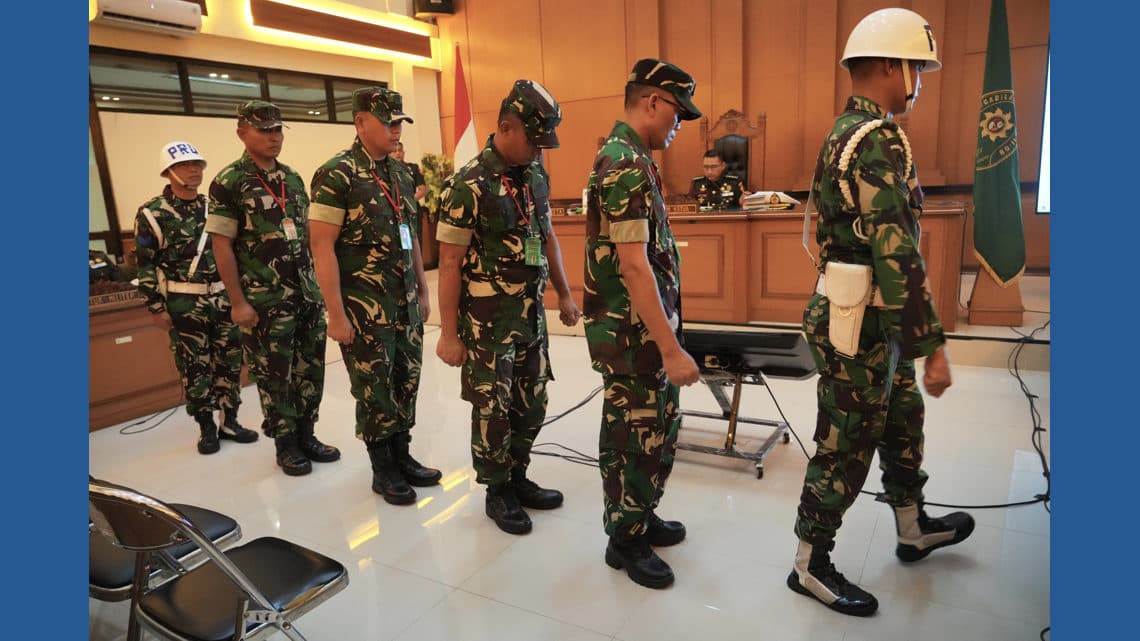
Andrie Yunus objected when military prosecutors took over the acid-attack case against him, arguing that a military court should not be left to judge an attack tied to the armed forces he had spent years criticizing. The sentencing of four officers to prison terms of 18 months to three years has now become a test of whether Indonesia is willing to confront military abuse, or whether the system is still protecting its own.
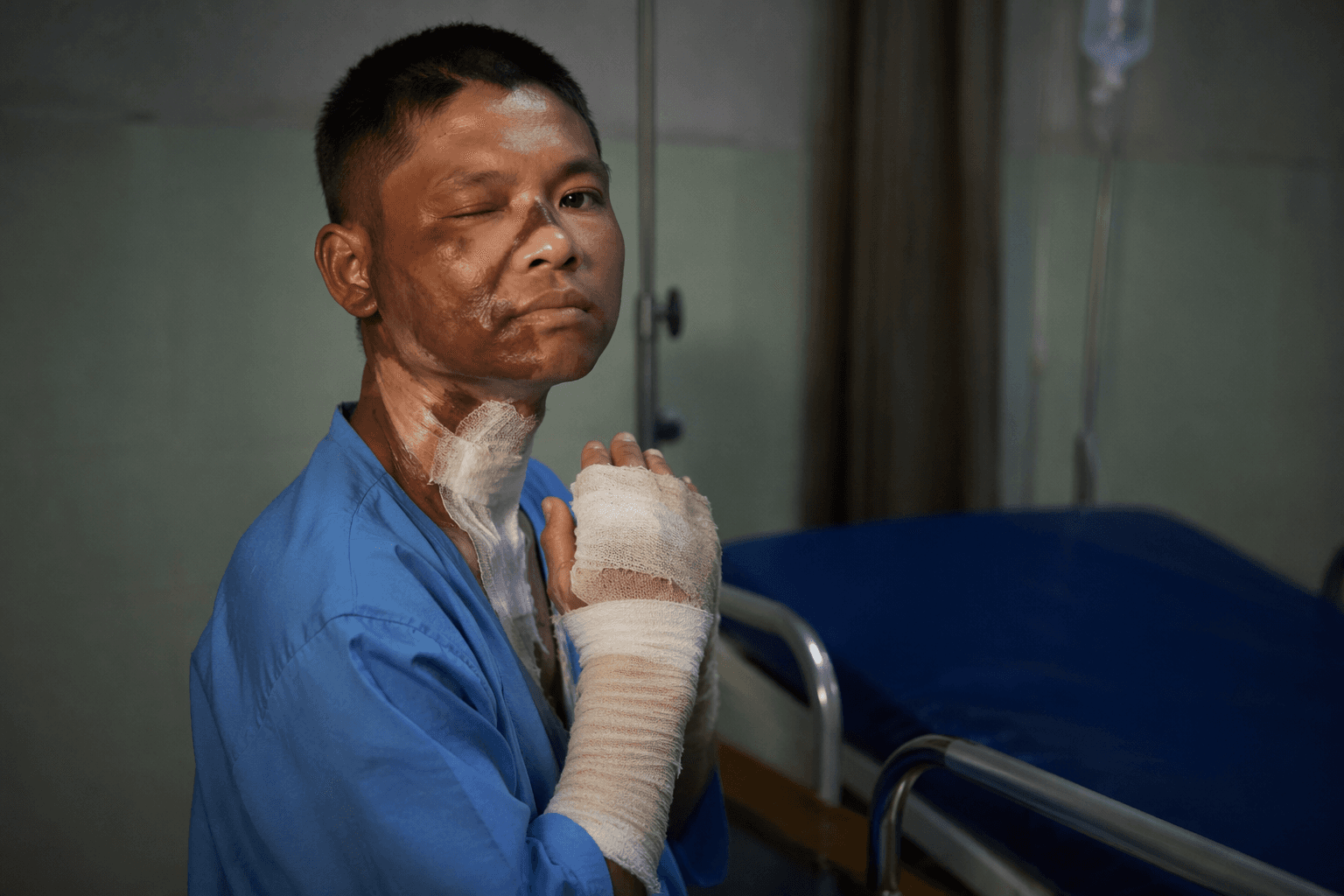
Yunus, 27, is deputy coordinator at KontraS, the Commission for the Disappeared and Victims of Violence. At about 11 p.m. on March 12, two men on a motorcycle threw acid at him at an intersection in the Menteng area of Jakarta as he was heading home after recording a podcast interview at the Indonesian Legal Aid Foundation. Human Rights Watch said he suffered burns to 24 percent of his face, chest and hands, and may have lost his right eye.
Military police arrested four soldiers on March 18: a captain, two lieutenants and a sergeant linked to the Indonesian Strategic Intelligence Agency, known as BAIS. The National Police said CCTV footage showed two motorcycle riders following Yunus, making a U-turn and carrying out the attack. Investigators also released more than 2,000 CCTV images from 86 cameras, stretching from National Monument Park to Bogor and even Yunus’s parents’ home, underscoring how extensive the surveillance effort became.
On June 10, a military court in Jakarta sentenced the four officers to jail terms ranging from 18 months to three years. The men were identified as Sami Lakka, Nandala Dwi Prasetya, Budhi Hariyanto Widhi Cahyono and Edi Sudarko. Rights groups said the punishment was too light for an attack on a prominent critic of the military’s expanding role in civilian life, and warned that the verdict could shield higher-ranking figures or others involved in planning the assault.
Human Rights Watch urged President Prabowo Subianto to establish an independent fact-finding team outside military control, arguing that Indonesia’s long record of impunity for serious rights abuses still hangs over the case. Amnesty International said the attack fits a broader pattern of pressure on critics since Prabowo took office in October 2024, including disinformation campaigns and attempts by military-linked networks to brand activists and journalists as foreign agents.
For Yunus, the central question is now bigger than the prison terms. It is whether a case handled inside the military justice system can ever fully expose a crime that targeted dissent and may have reached far deeper into the chain of command.
This article was produced by Prism’s automated news system from verified source data, official records, and press releases, then run through automated quality and moderation checks before publishing. The system is built and supervised by the people who set the standards it runs under. Read our full AI policy.
Know something we missed? Have a correction or additional information?
Submit a Tip