Indonesia raises alert for Mount Bur Ni Telong, seismic unrest prompts concern
Indonesian authorities raised the alert level for Mount Bur Ni Telong in Aceh province on Dec. 30 after a sharp uptick in volcanic earthquakes and seismic signals, putting nearby communities on heightened alert. The escalation matters because it signals an increased risk to public safety, strains emergency services, and underscores longstanding gaps in equitable disaster preparedness.
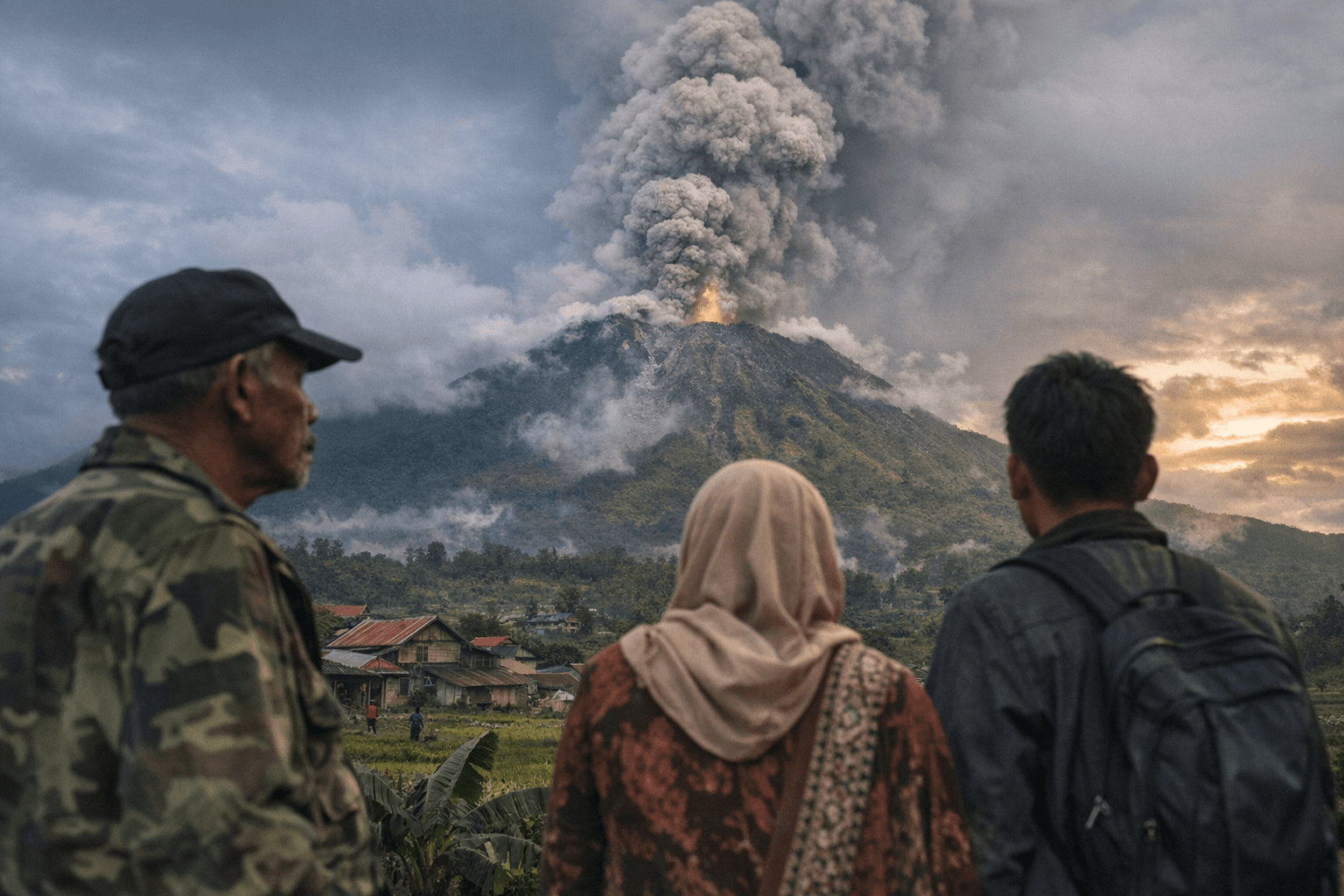
Indonesian disaster authorities raised the alert level for Mount Bur Ni Telong to level 4 on Dec. 30, after monitoring stations logged an increase in volcanic earthquakes and seismic signals. Officials reported both shallow and deep quakes, prompting the move from level 3 to level 4 under the national volcano alert system, which authorities described as the second highest on the scale.
The declaration came after seismometers around the volcano recorded sustained activity that specialists interpreted as a change in the volcano’s behavior. While no government statement in the materials provided described an eruption already under way, the increase in seismicity reflects conditions that can precede eruptive events and so triggered heightened monitoring and risk assessment.
Mount Bur Ni Telong sits in Aceh province on the island of Sumatra, an area with many rural communities and limited health and transport infrastructure. A rise in volcanic unrest poses immediate public health risks if eruptions produce ash, gas emissions, lava flows, or lahars. Respiratory illness can increase when ash becomes airborne, while contaminated water, damaged roads, and disruption of clinics can compound harm for people with chronic illnesses and for those who are pregnant, elderly, or very young.
Beyond direct health impacts, the alert raises questions about access to emergency services and the capacity of local systems to respond equitably. Many villages near Bur Ni Telong are remote with uneven access to ambulances, medications, and cash relief. Evacuation logistics, shelter capacity, and continuity of care for people who rely on regular medical treatment are all areas where existing inequalities can translate into greater vulnerability.
Public health planners and humanitarian responders face a time sensitive challenge. They must balance the uncertainty inherent in volcanic forecasting with the need to deliver protective measures, supplies, and clear information to communities. Preparedness measures that matter include distribution of protective masks and clean water, arrangements for uninterrupted care for chronic conditions, mental health support for displaced people, and culturally appropriate outreach to indigenous and low income populations who may be less likely to receive or act on official guidance.
There are also potential secondary impacts on agriculture, livelihoods, and transport if eruptive activity were to produce ash or lahars. Ashfall can damage crops and contaminate water sources, while airport operations may be disrupted if ash reaches flight paths. Those downstream economic effects can deepen inequities in an already vulnerable region.
Monitoring agencies will continue to track seismic signals and update alerts as data evolves. For residents and policymakers, the situation highlights the need for transparent communication and prearranged systems to protect health, prioritize the most vulnerable, and ensure that emergency response resources are distributed fairly. As authorities watch Mount Bur Ni Telong in the coming days, the priority for public health officials will be keeping communities informed and ready, while addressing the structural gaps that magnify harm when crises unfold.
This article was produced by Prism’s automated news system from verified source data, official records, and press releases, then run through automated quality and moderation checks before publishing. The system is built and supervised by the people who set the standards it runs under. Read our full AI policy.
Did this article answer your question?