Indonesia seeks 18 years for ex-minister Nadiem Makarim in laptop corruption case
Prosecutors sought 18 years for Nadiem Makarim, turning Indonesia’s best-known startup founder into the face of a laptop graft case that has shaken trust in public procurement.
Indonesian prosecutors asked for an 18-year prison sentence for Nadiem Makarim, the former education minister and Gojek co-founder, in a corruption case that has become a test of whether Indonesia can police its most prominent political and business figures.
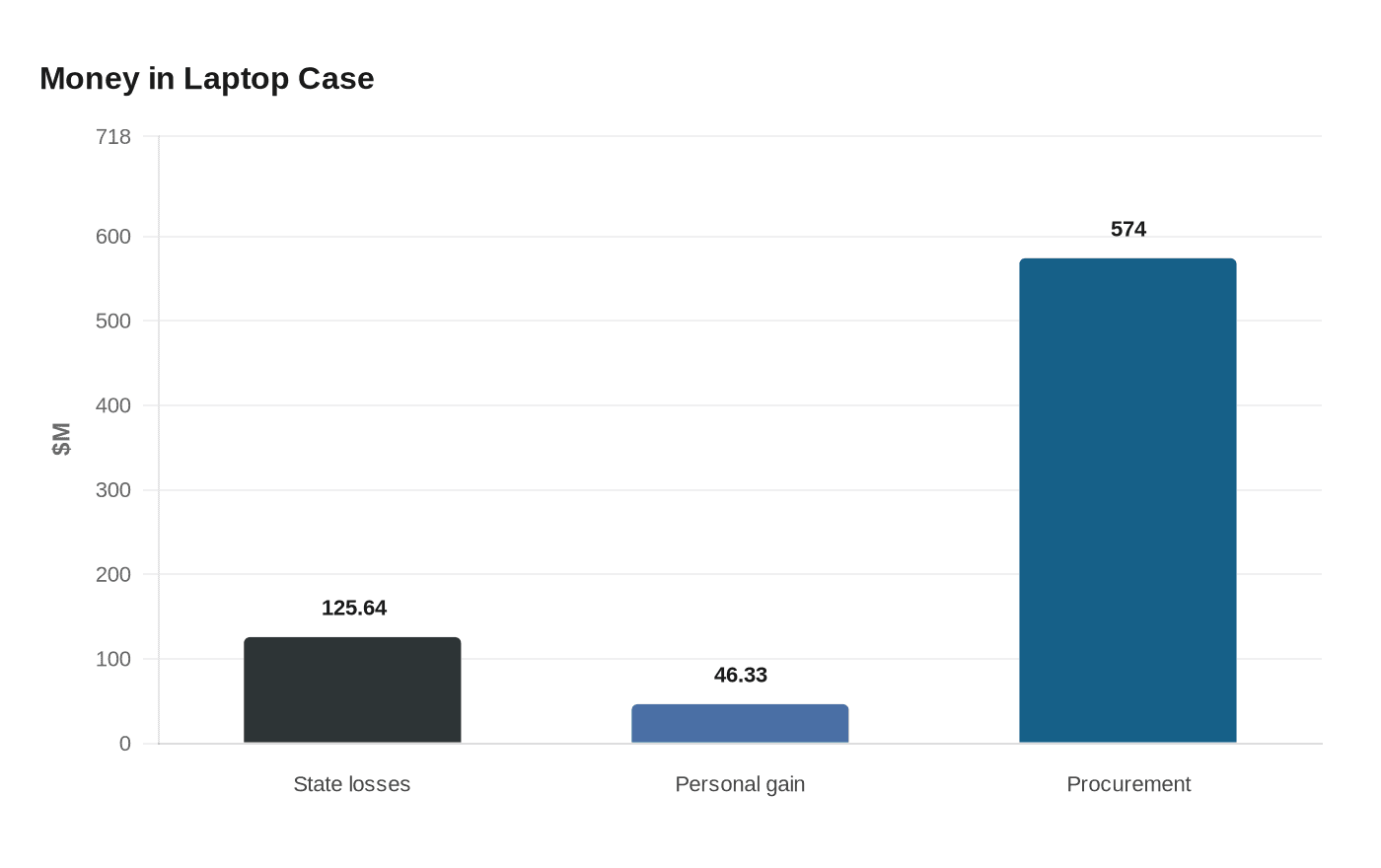
At the Central Jakarta corruption court, prosecutors said Makarim abused his office in a pandemic-era laptop procurement program for schools and sought a 1 billion rupiah fine, with assets to be seized if he does not pay. They said the case caused state losses of about 125.64 million dollars and that Makarim personally enriched himself by about 809 billion rupiah, or roughly 46.33 million dollars.
The case centers on the purchase of about 1.2 million Google Chromebook laptops and Chrome OS software between 2020 and 2022, with total procurement spending reported at 9.3 trillion rupiah, or about 574 million dollars. Prosecutors said an internal assessment in 2018 had already concluded that Chromebooks required reliable internet access and would be ill-suited to parts of Indonesia with weak connectivity, especially in remote and underdeveloped regions.
They also alleged that Makarim shaped tender requirements in a way that effectively locked in Google’s system and made Google the sole controller of the education ecosystem in Indonesia. That argument goes beyond routine procurement misconduct and places the case at the center of questions about how state contracts are designed, who benefits from them, and how easily reformist branding can coexist with old patronage habits.
Makarim, born in 1984, founded Gojek in 2010 and later served as education, culture, research and technology minister under President Joko Widodo. His rise from startup founder to cabinet minister made him one of the country’s most recognizable technocratic figures, which has only sharpened the political stakes of the prosecution.

He has denied wrongdoing and said he did not personally sign procurement documents, arguing that responsibility sat with lower-level officials. In earlier hearings, he said decisions were handled at the director-general level.
The case already has a judicial track record. On April 30, 2026, an Indonesian court sentenced two former education-ministry officials, Mulyatsyah and Sri Wahyuningsih, to up to 4.5 years in prison over the same Chromebook procurement scheme, while consultant Ibrahim Arief was also named among suspects. That earlier verdict strengthened the prosecution’s theory and raised the pressure on Makarim as the most visible figure in the case.
For Indonesia, the proceedings are more than a high-profile graft trial. They are a measure of whether anti-corruption enforcement can reach the country’s political and startup elite when public money, digital policy and state procurement collide.
This article was produced by Prism’s automated news system from verified source data, official records, and press releases, then run through automated quality and moderation checks before publishing. The system is built and supervised by the people who set the standards it runs under. Read our full AI policy.
Did this article answer your question?