Inflation spikes to three-year high, boosting gold price forecasts
Inflation rose 0.5% in May and 4.2% over 12 months, pushing gold forecasts higher. But traders are watching real rates, Fed policy and the dollar, not inflation alone.
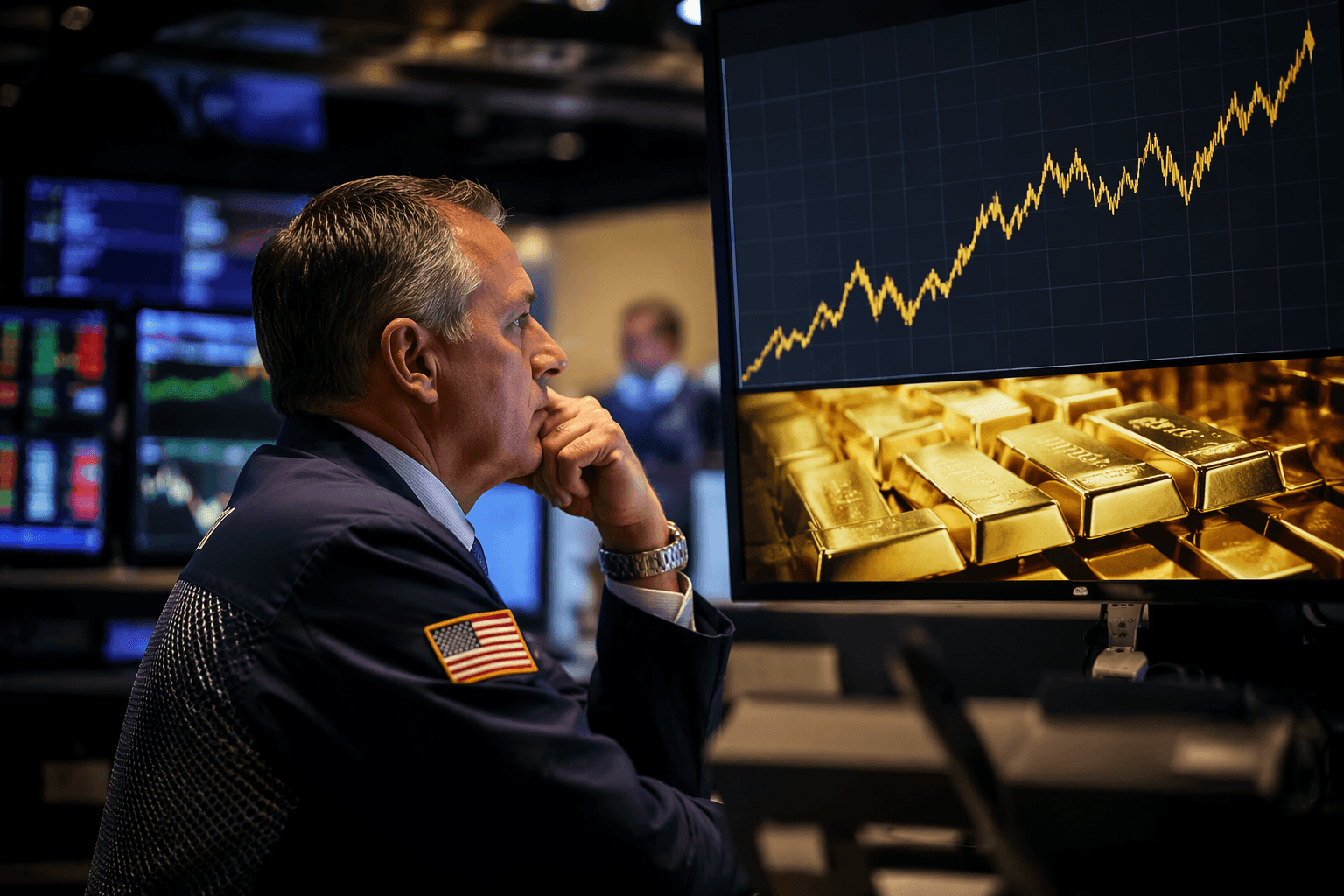
Gold’s next move now hinges less on inflation headlines than on whether U.S. borrowing costs, Federal Reserve policy and the dollar turn more supportive. The Consumer Price Index rose 0.5% in May 2026 and 4.2% over the prior 12 months, the fastest annual pace in three years, but analysts say that only turns into a durable gold rally if inflation stays sticky enough to keep real interest rates low or negative.
That is the central investor test. The Federal Reserve’s longer-run inflation goal is 2%, measured by the annual change in the PCE price index, so a persistent gap between that target and the latest CPI reading keeps pressure on policymakers in Washington, D.C. Yet the inflation mix matters: the U.S. Bureau of Labor Statistics said energy prices rose 3.9% in May and accounted for more than sixty percent of the monthly all-items increase. If the surge is driven mostly by energy, gold can still benefit as a hedge, but the upside may be less durable than in a broad, demand-led inflation wave.
Forecasts have already moved higher. BMI has an annual average gold forecast of $4,600, while Goldman Sachs has a $5,400 year-end target. The World Bank says precious metal prices are projected to reach new all-time highs in 2026, supported by safe-haven demand and continued central bank buying, although renewed geopolitical tensions or policy uncertainty could push prices above baseline projections.
The World Gold Council says 2026 demand is being supported by central-bank net buying, ETF inflows and bar-and-coin accumulation. At the same time, high prices are starting to weigh on jewelry demand, limiting one traditional source of physical buying. The council also says gold’s price today largely reflects market consensus expectations for growth, inflation and monetary policy, which means the metal could stay rangebound if those expectations do not shift.
History suggests gold performs best when inflation arrives with policy strain and currency weakness. Its strongest inflation-era run came in the 1970s and early 1980s, when oil shocks, stagflation and the end of dollar-gold convertibility helped drive London’s fixing price to $850 in 1980. By contrast, the current cycle has shown how quickly the trade can reverse: some reports said gold hit record highs in early 2026, then suffered its steepest monthly drop since June 2013 in March, after inflation expectations rose and the U.S. dollar strengthened.
For investors, that leaves a narrow but clear path. Gold tends to work best when inflation stays elevated while the Fed is reluctant to ease and the dollar loses momentum. It tends to stall when inflation proves temporary, real yields rise and the dollar firms.
This article was produced by Prism’s automated news system from verified source data, official records, and press releases, then run through automated quality and moderation checks before publishing. The system is built and supervised by the people who set the standards it runs under. Read our full AI policy.
Know something we missed? Have a correction or additional information?
Submit a Tip