Kenya, Uganda and Tanzania weigh budgets amid war-driven economic strain
East Africa's budget day landed as Middle East tensions threatened fuel bills, growth and debt. Kenya, Uganda and Tanzania all faced tighter fiscal choices.
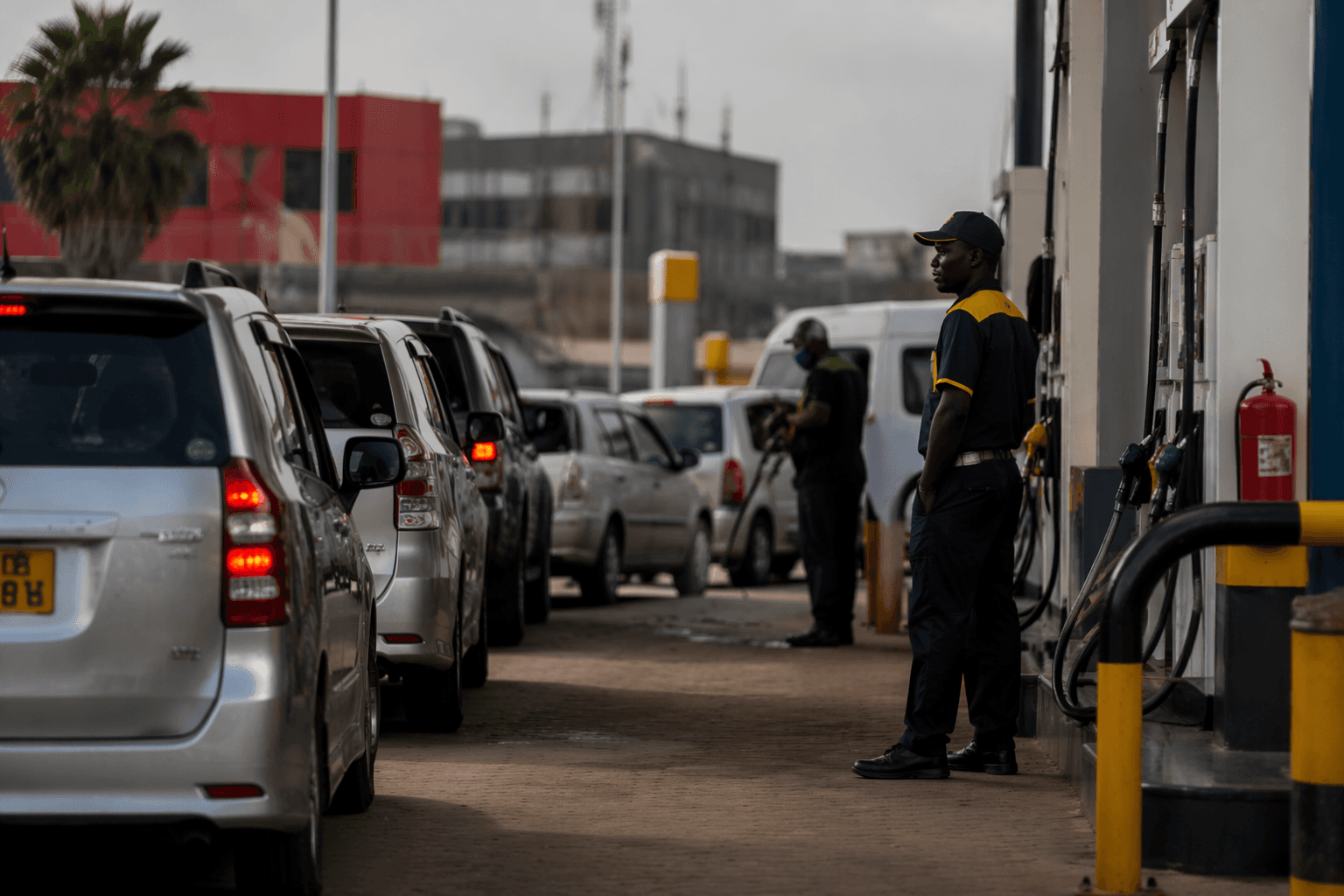
Middle East conflict has quickly become a budget problem in East Africa. Kenya, Uganda and Tanzania each faced investors on June 11 as finance ministers laid out spending plans under pressure from higher fuel and fertiliser import costs, softer growth and already strained public finances.
The regional warning sign came from the African Development Bank, which cut East Africa’s growth forecast by half a percentage point and said the Middle East crisis could shave up to 0.2 percentage points from growth across African countries. That matters because the three economies rely heavily on imported petroleum and fertiliser, turning global energy shocks into immediate pressure on transport costs, food prices and foreign exchange reserves.

In Kenya, the biggest of the three economies, Finance Minister John Mbadi was expected to present a 2026/27 budget of about Sh4.84 trillion, with a deficit around Sh1.1 trillion and an education allocation of Kshs 781.4 billion. The numbers come as Nairobi tries to manage debt repayments, slower growth and a temporary cut in petroleum taxes without widening borrowing needs further.
The stakes are higher after fuel-price increases sparked nationwide protests in May, including a transport strike. Reporting linked the unrest to at least four deaths and about 30 injuries, underscoring how quickly price shocks can become a political risk as well as a fiscal one. Kenya’s parliament had already approved the Estimates of Revenue and Expenditure, but the budget still signaled how difficult it will be to keep services funded while narrowing the deficit.
Uganda entered the same fiscal season with less room to maneuver. Parliament passed a Shs84.3 trillion 2026/27 national budget in April, and Henry Musasizi was set to deliver his maiden budget speech on June 11. Budget documents said the framework came amid growing fiscal pressure from debt and statutory obligations, while higher fuel costs and foreign-exchange strain added to the squeeze.
Tanzania presented a somewhat steadier picture, though not an easy one. Finance Minister Khamis Mussa Omar tied the 2026/27 framework to the start of Development Vision 2050 and a new five-year development plan. The budget was put at about TZS 62.3 trillion, with growth projected at 6.3%, revenue at roughly TZS 46.7 trillion and the deficit kept below 3% of GDP.
Dar es Salaam’s priorities included flagship projects, debt service, salaries, arrears and social services, while officials also pressed for greater fiscal self-reliance through domestic revenue. Together, the three budgets showed how a war in the Middle East is filtering into East African treasuries through import bills, financing costs and the hard arithmetic of what governments can afford without cutting services or deepening debt.
This article was produced by Prism’s automated news system from verified source data, official records, and press releases, then run through automated quality and moderation checks before publishing. The system is built and supervised by the people who set the standards it runs under. Read our full AI policy.
Know something we missed? Have a correction or additional information?
Submit a Tip