Inside Lebanon’s deep divide over the Israel-Hezbollah war
Lebanese families are caught between Hezbollah’s war with Israel and daily survival. The fight has become a national argument over defense, ruin, and who pays the price.
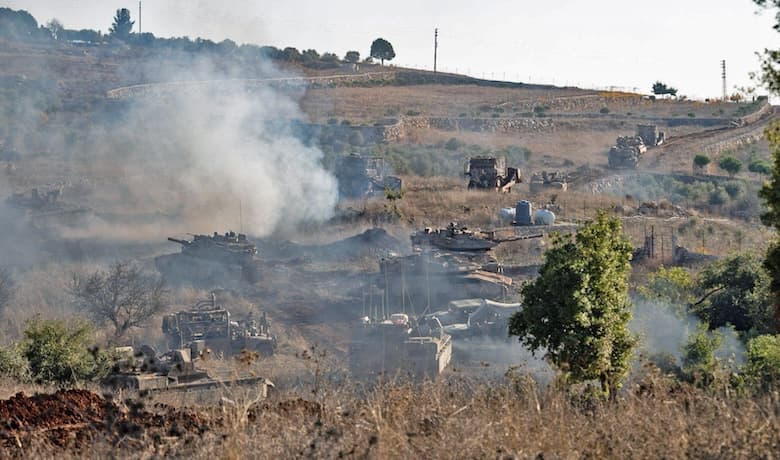
On October 8, 2023, Hezbollah started firing on Israeli positions after Hamas’s October 7 attack on Israel, opening a conflict that has become a daily test of endurance for families trying to keep food on the table, find shelter, and decide whether Hezbollah is protecting Lebanon or dragging it deeper into ruin.
The war has hardened into a prolonged war of attrition. The violence has rippled far beyond the front line, pulling in Beirut, southern Lebanon, the Bekaa Valley, and crossings toward Syria, while broader regional tensions linked to Gaza and the Iran-Israel confrontation keep Lebanon exposed as one of the region’s most volatile fronts.
A war that landed on civilian life
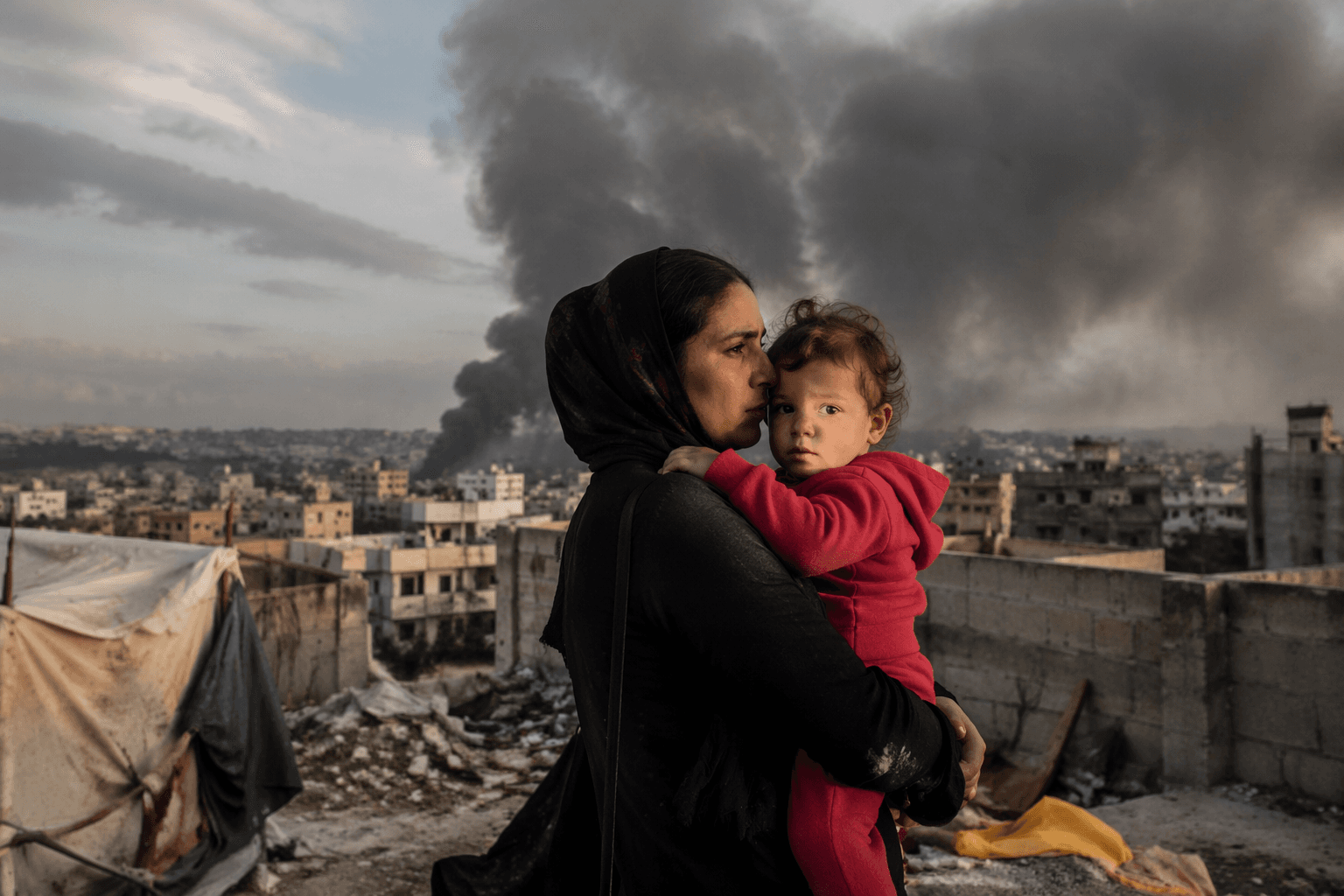
By October 2024, Lebanese officials counted more than 2,300 people killed in Lebanon and almost 10,700 wounded. By March 27, 2026, UNHCR counted more than 1 million people forced to flee their homes, and the Government of Lebanon estimated that 1.2 million people had been displaced in 2024.
Many families have been forced into schools and collective shelters, often for a second or third time, as bombardment and evacuation orders moved across the country. Entire communities from the south and the Bekaa were pushed toward Beirut and the north, with people trying to rebuild while never knowing how long they will be able to stay.
The movement has not stopped at Lebanon’s borders. By October 12, 2024, more than 283,000 people had crossed from Lebanon into Syria, including Lebanese citizens, Syrian refugees, and a smaller number of other nationals. UNHCR said 70 percent were Syrians.
What has been destroyed is not only military ground
The damage has reached the infrastructure that makes daily life possible. Villages, farmland, livestock, bridges, water systems, healthcare facilities, and schools have been damaged or destroyed.
In southern Lebanon and the Bekaa, the loss of farmland and livestock is not symbolic. It erases income, food supply, and the small margins that keep rural families afloat. When bridges fail and water systems break, the cost is measured in hours lost, medical appointments missed, and children forced out of class.
The attack on civilians has also come through sudden, high-casualty incidents. A September 2024 pager attack wounded more than 3,000 people and killed 12, including two children.
The divide inside Lebanon is political, social, and deeply personal
Hezbollah remains deeply embedded in Lebanese life as both a militia and a political force, and that is why the argument over this war is so sharp. Many Lebanese see the movement as part of the country’s defense architecture, tied to resistance against Israel and the memory of past occupation and bombardment. Others see it as a parallel power that acts for its own agenda and leaves civilians to absorb the retaliation.
That split is visible in the way people talk about sacrifice. For some, Hezbollah’s confrontation with Israel is framed as the only language deterrence understands. For others, the same confrontation is a decision made over their heads, with Beirut, the south, and the Bekaa paying the bill in dead relatives, ruined homes, and interrupted schooling.
The debate is sharpened by older history that never really left the border. The 2006 Israel-Hezbollah war still shapes thinking about security, and UN Security Council Resolution 1701 remains part of the debate over how the border should be managed. Even now, ceasefire arrangements and security zones are discussed alongside ongoing strikes.
Ceasefire talk has not erased the pressure on civilians
In June 2026, Israel and Lebanon agreed to renew a ceasefire, but Hezbollah rejected the arrangement.
The geography of the conflict keeps reinforcing that uncertainty. People have fled from the south toward Beirut and from the Bekaa toward the north, while others have crossed into Syria or stayed close to damaged homes because leaving again would mean losing the last of their savings.
This article was produced by Prism’s automated news system from verified source data, official records, and press releases, then run through automated quality and moderation checks before publishing. The system is built and supervised by the people who set the standards it runs under. Read our full AI policy.
Know something we missed? Have a correction or additional information?
Submit a Tip