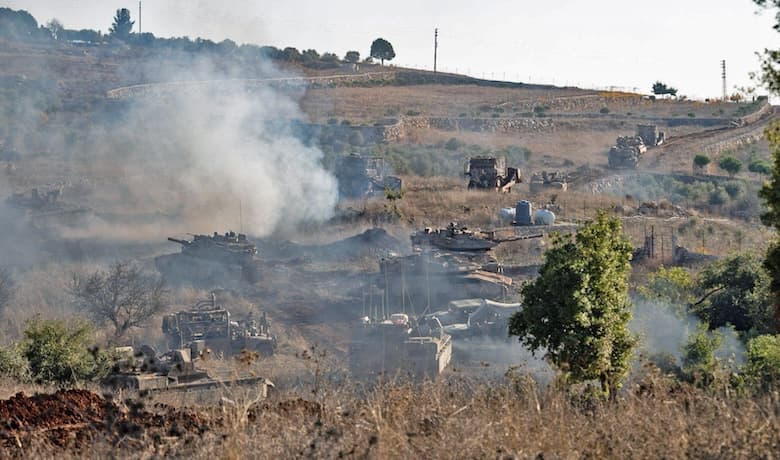
U.S., Iran strikes test fragile ceasefire and Hormuz shipping deal
Drones and a tanker strike around Hormuz are testing a deal that promised 60 days of toll-free shipping and a quick end to the U.S. naval blockade.
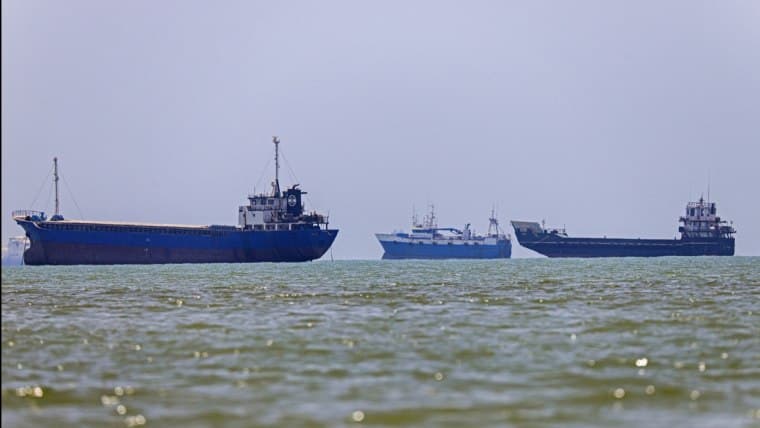
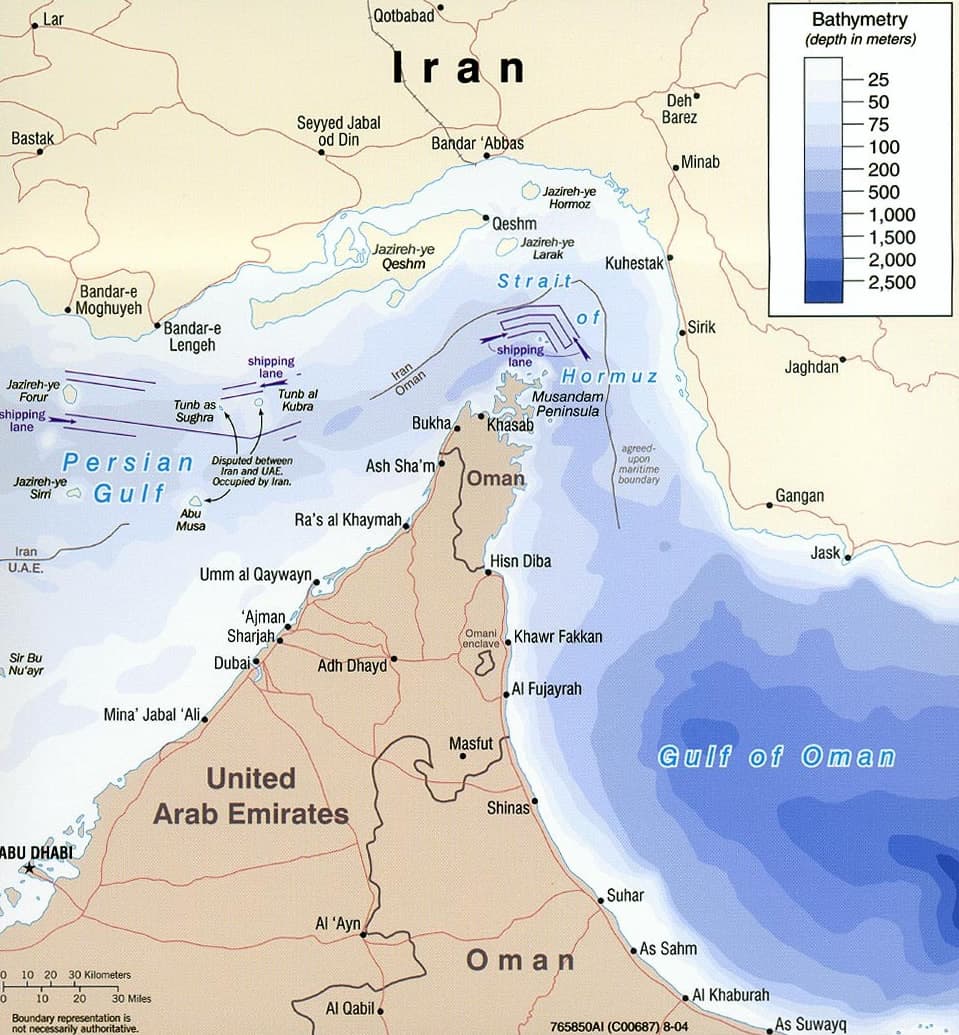
Fresh drone and projectile strikes around the Strait of Hormuz have put the U.S.-Iran memorandum of understanding under immediate strain, turning a shipping accord into the latest measure of whether either side will keep its word. The chokepoint normally carries more than 100 vessels a day, and the new attacks have raised the stakes for oil flows, naval posture and Gulf diplomacy.
The agreement was designed to do three things at once: grant commercial ships 60 days of toll-free safe passage through Hormuz, start talks among Iran, Oman and other Gulf states on the strait’s future administration and maritime services, and unwind the U.S. naval blockade of Iranian ports. U.S. officials said the blockade would begin lifting immediately after signing and end within 30 days. Vice President JD Vance said the administration had honored the ceasefire and that any dispute over the memorandum should be handled diplomatically.
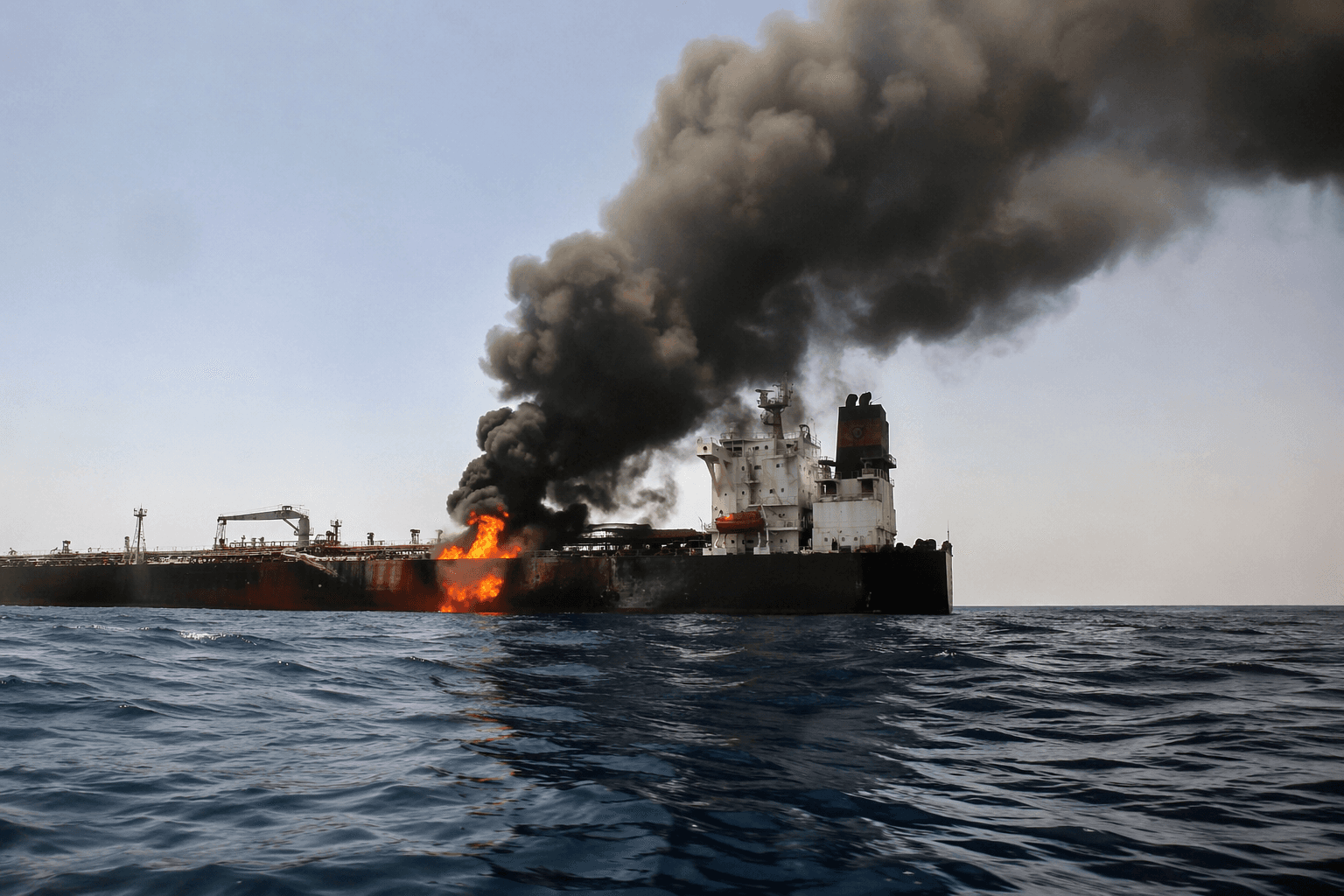
Instead, the deal was hit almost as soon as it was tested. Reuters reported that the U.S. struck Iran on June 26 after an Iranian drone strike on a cargo ship in the strait. A day later, Reuters and AP reported that Iran launched drones toward Bahrain and that a tanker was struck by a projectile in Hormuz. Bahrain said it had been targeted and condemned the attack as a violation of its sovereignty, while reserving the right to defend itself. Bahrain hosts the U.S. Navy’s Fifth Fleet, making any escalation there a direct challenge to American maritime power in the Gulf.
The International Maritime Organization said on June 23 that it was beginning an evacuation plan for more than 11,000 seafarers stranded in the Gulf, a sign that shipping disruption had already become a humanitarian and logistical problem, not just a military one. Even after the deal announcement, Reuters said only six tankers were among 13 commercial ships transiting Hormuz on Tuesday, far below the more than 100 vessels a day that moved before the war.
Oil markets have been whipsawed as the violence has widened. Brent crude settled at about $71.99 a barrel on June 26, even after briefly moving higher on the latest attack as more tankers exited Hormuz. That split reaction underscored the same question now confronting Gulf capitals and Washington: whether the memorandum is merely under pressure or whether repeated attacks on ships, ports and radar sites are already breaking it apart.
This article was produced by Prism’s automated news system from verified source data, official records, and press releases, then run through automated quality and moderation checks before publishing. The system is built and supervised by the people who set the standards it runs under. Read our full AI policy.
Know something we missed? Have a correction or additional information?
Submit a Tip