US strikes Iran after drone attack on cargo ship in Hormuz
U.S. strikes hit Iranian missile and radar sites after a drone attack on a cargo ship in the Strait of Hormuz, jolting a fragile ceasefire and raising oil-lane risks.

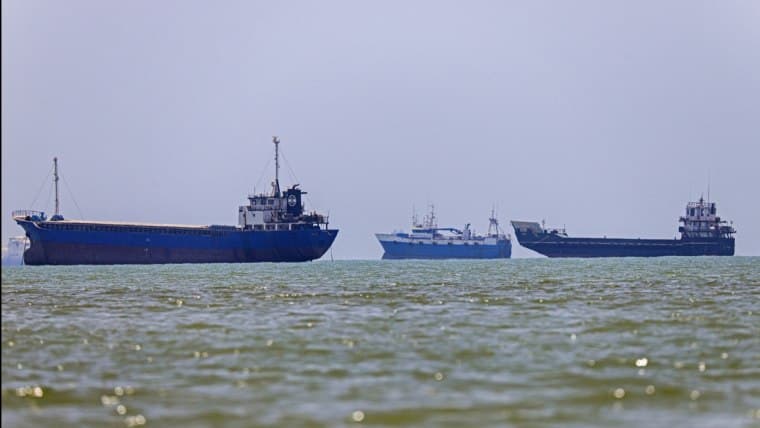
U.S. forces struck Iranian missile and drone storage sites and coastal radar positions on Friday after an Iranian drone attack on a Singapore-flagged cargo ship in the Strait of Hormuz, pushing a fragile interim peace arrangement into its most severe test yet. U.S. Central Command later released video of the strike, underscoring that Washington was willing to answer the attack directly.
The exchange turned the Strait of Hormuz into the immediate pressure point in a confrontation that reaches far beyond one ship. The waterway is one of the world’s most important shipping chokepoints, and any attack there carries fast-moving consequences for global oil and trade flows. A single drone strike on a commercial vessel, followed by U.S. retaliation against Iranian military-linked sites, raises the risk that tankers, insurers, and shippers will treat the route as a live combat zone.
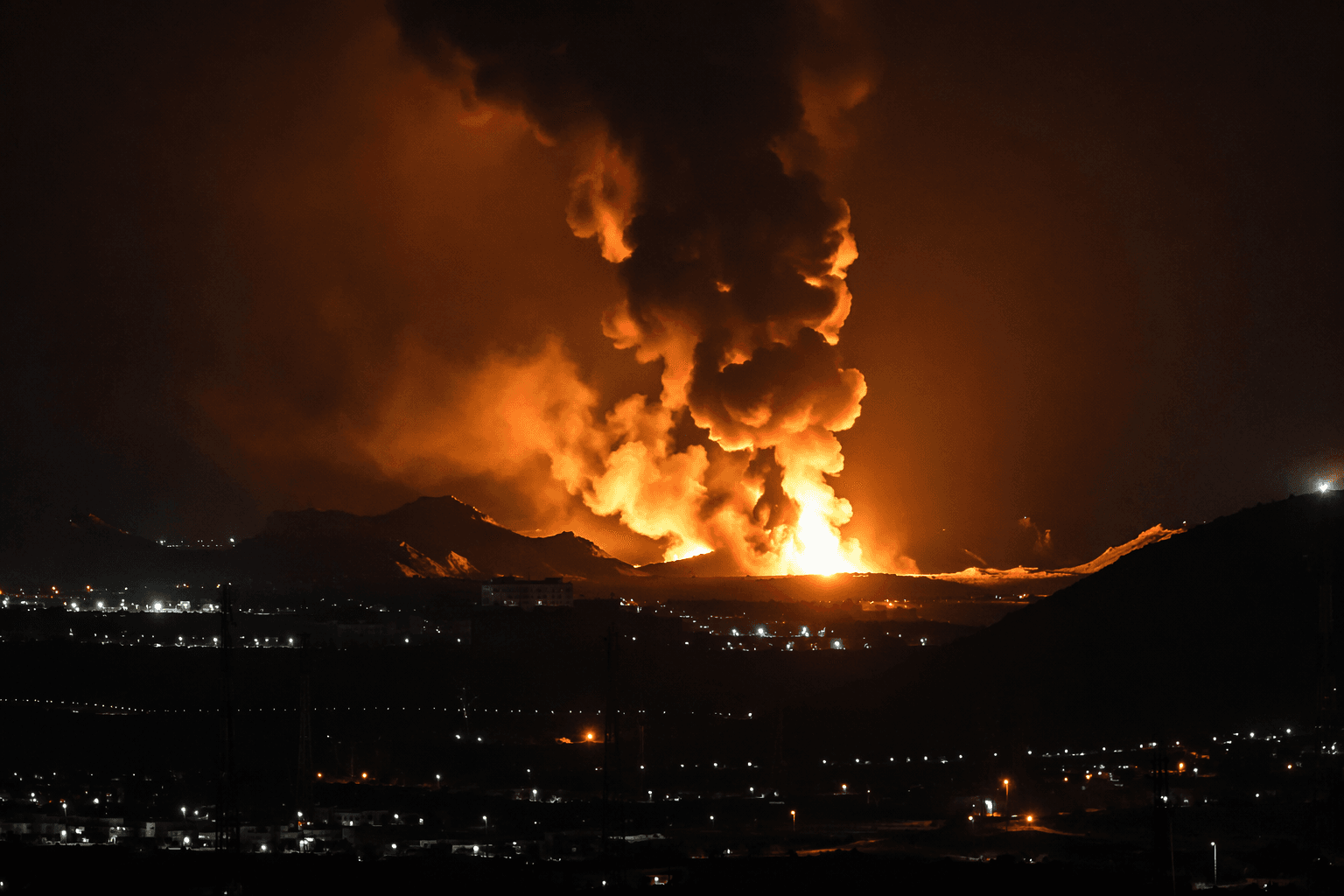
The clash also put the week-old interim peace understanding in jeopardy. U.S. officials said the Iranian attack targeted the cargo ship, while Iran said it was defending its right to control shipping in the strait. Both sides accused the other of violating ceasefire terms, a sign that the agreement was already fraying before the strikes on Iranian territory. What had been presented as a pause in hostilities now faces a far harder question: whether either side can absorb a limited blow without widening the fight.
For Washington, the stakes are immediate. U.S. troops across the region sit within range of any Iranian response, and the same corridor that carries much of the world’s energy supply can also transmit escalation in a matter of hours. The strikes suggest the United States is trying to restore deterrence after the cargo ship attack, but they also carry the risk of dragging American forces deeper into a regional conflict that neither side has clearly stepped back from. With the Strait of Hormuz once again at the center of the crisis, the next move could decide whether the ceasefire survives or gives way to a broader war.
This article was produced by Prism’s automated news system from verified source data, official records, and press releases, then run through automated quality and moderation checks before publishing. The system is built and supervised by the people who set the standards it runs under. Read our full AI policy.
Know something we missed? Have a correction or additional information?
Submit a Tip