Investors Push Amazon, Microsoft, Google to Disclose Data Center Resource Use
More than a dozen institutional investors are pressing Amazon, Microsoft and Google to reveal how AI data centers drain local water supplies and strain power grids.
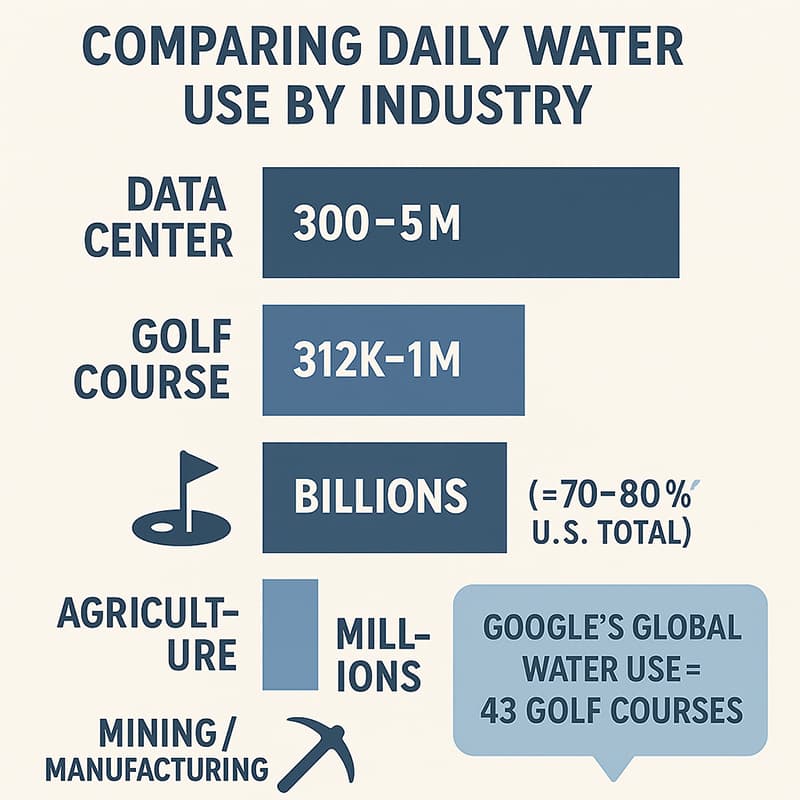
More than a dozen institutional investors have filed or are preparing shareholder proposals demanding that Amazon, Microsoft and Alphabet's Google disclose granular data on how their expanding U.S. data centers consume water, draw power and stress local infrastructure, according to a Reuters analysis published April 6.
The push targets the three largest cloud and AI operators at a moment when each is racing to build out the compute capacity needed for generative AI and large-scale machine learning workloads. Investors argue that the speed of that buildout, if left unexamined, creates measurable climate and financial risks that existing disclosures do not adequately capture.
Giovanna Eichner of Green Century Capital Management, one of the advocates behind the proposals, said the companies "have not been disclosing enough about their water consumption (and the) impact on the local community." That accountability gap is precisely what the shareholder campaign is designed to close. The proposals seek standardized, facility-level reporting: water withdrawals by site, cooling system type (air-cooled, evaporative, or closed-loop), energy sourcing, and contingency planning for data centers located in drought-prone or water-stressed regions.
The financial stakes behind those requests are concrete. Community opposition has already stalled or halted several multibillion-dollar data center projects across the United States, and lawmakers in multiple states have proposed or enacted transparency measures requiring disclosure of water withdrawals. Investors characterize those dynamics as stranded-asset risk: a facility sited in a water-stressed region without adequate disclosure could face regulatory shutdown or permit denial as drought conditions worsen.
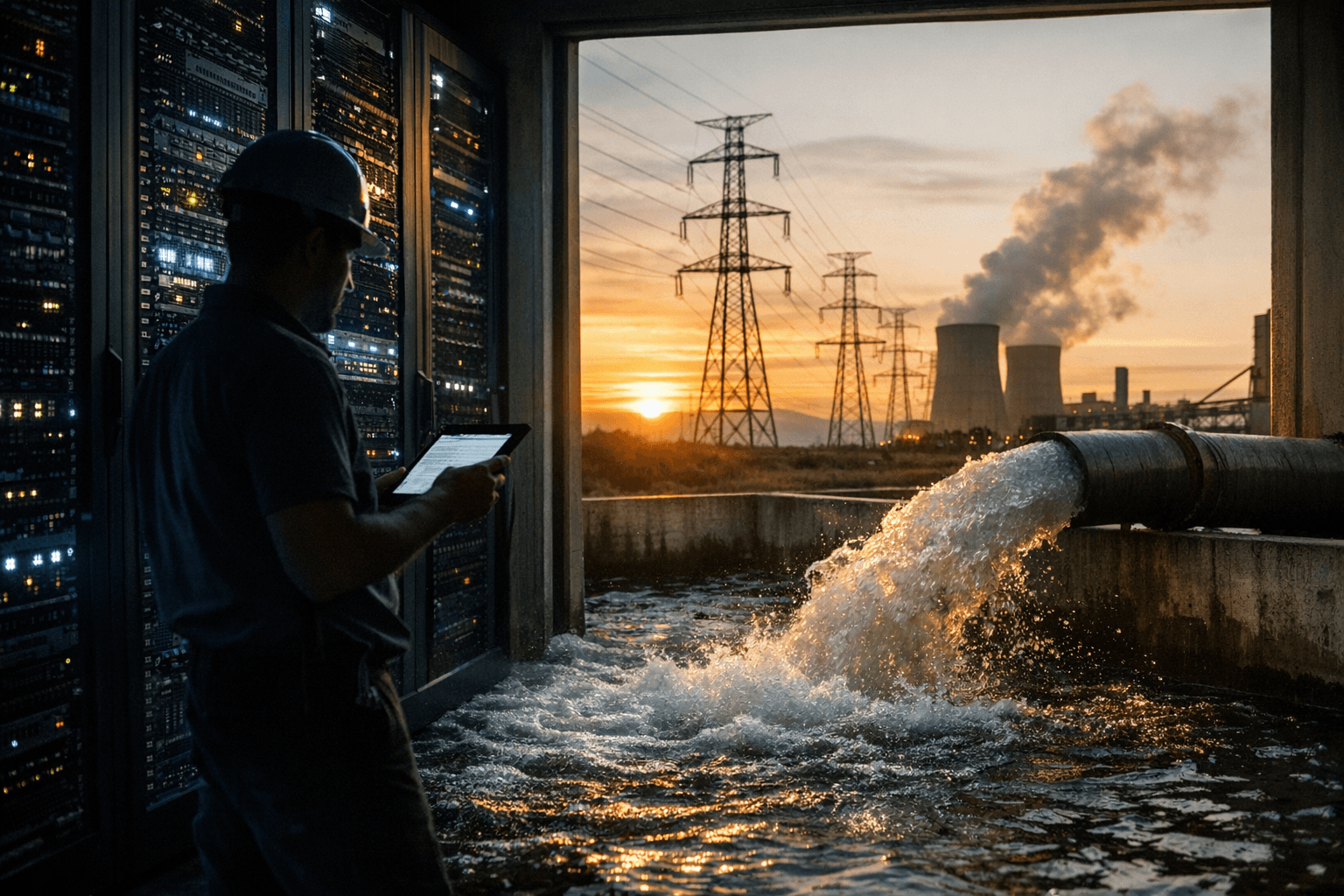
Data centers consume water primarily through evaporative cooling, a process that can draw hundreds of millions to billions of liters annually depending on a facility's scale and geography. Amazon, Microsoft and Google have each pointed to technological alternatives, including closed-loop and air-cooled cooling systems, and have publicized commitments to renewable power procurement. Investors say those statements fall short because they lack the facility-specific metrics needed to assess risk at the project level.
For local governments and water utilities, the proposed disclosures would directly inform planning decisions and aquifer management. For cloud operators, the pressure creates two simultaneous challenges: satisfying investor and community expectations for transparency while recalibrating site-selection models to steer new construction away from water-constrained markets. Failure on either front risks both reputational damage and slower deployment timelines in key U.S. markets, compounding costs in an infrastructure race where speed is a competitive advantage.
The investor campaign reflects a broader shift in how large asset managers treat environmental data. Resource disclosure, once viewed as a corporate social responsibility nicety, is increasingly classified as material financial information, subject to the same scrutiny as earnings guidance or capital expenditure plans. Whether Amazon, Microsoft and Google respond with the facility-level specificity investors are demanding, or offer broader portfolio-level commitments, will likely shape the terms of the debate at their 2026 annual shareholder meetings.
This article was produced by Prism’s automated news system from verified source data, official records, and press releases, then run through automated quality and moderation checks before publishing. The system is built and supervised by the people who set the standards it runs under. Read our full AI policy.
Did this article answer your question?