IonQ to buy SkyWater Technology for $1.8 billion, securing quantum supply
IonQ agreed to acquire SkyWater for about $1.8 billion to secure domestic quantum hardware supply and shorten critical component lead times.
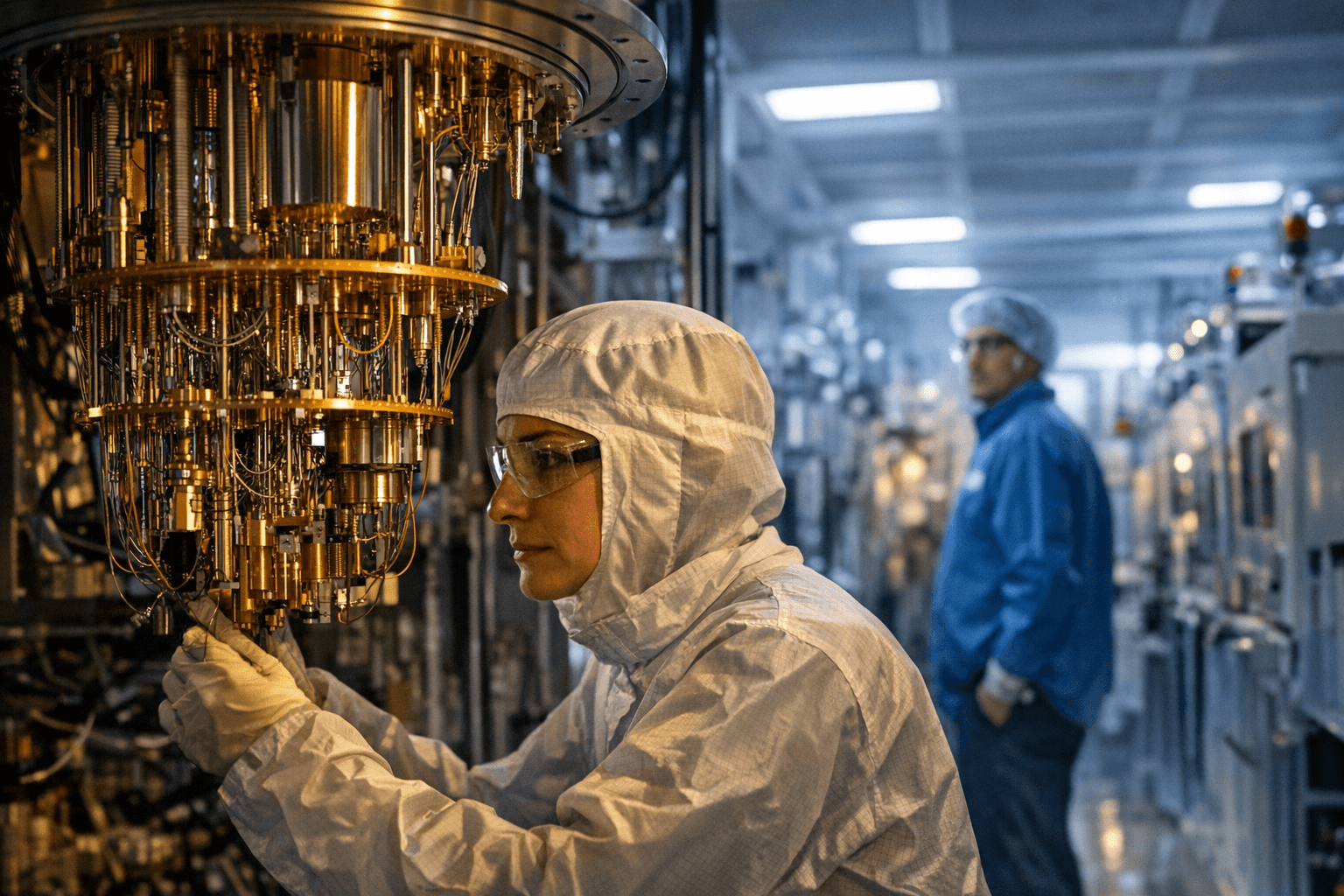
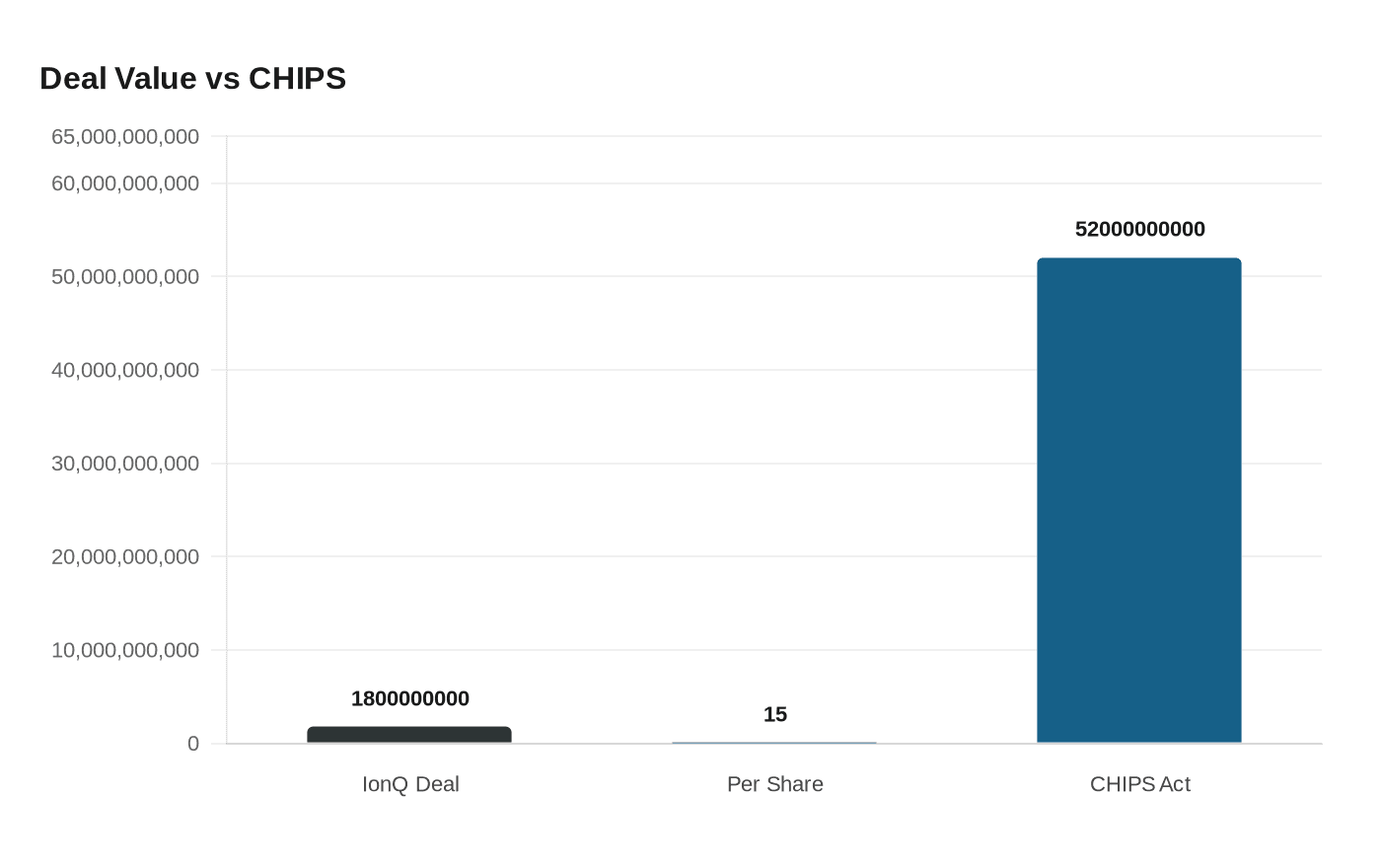
IonQ announced a definitive agreement on Jan. 26, 2026 to acquire SkyWater Technology, a U.S.-based pure-play semiconductor foundry, in a cash-and-stock transaction valued at approximately $1.8 billion. Under the deal terms SkyWater shareholders will receive $15 per share in cash and stock consideration, providing IonQ direct control of a domestic fabrication capability for components that support its quantum hardware ambitions.
The purchase marks a notable shift in strategy for a company built on trapped-ion qubits and cloud-delivered quantum services. By bringing a foundry under its corporate umbrella, IonQ aims to reduce dependence on external suppliers for specialized chips, packaging and fabrication runs that can be difficult to schedule and expensive to secure on commercial foundry backlogs. The transaction also places IonQ at the intersection of two powerful industrial trends: the commercialization of quantum hardware and the U.S. policy drive to reshore semiconductor capacity.
SkyWater, one of the few U.S.-based pure-play foundries, has positioned itself as a provider of small- and mid-volume manufacturing for niche and government-oriented customers. For IonQ, owning that capacity could shorten lead times for bespoke control electronics, sensors and other classical components integral to quantum systems. Analysts say the move could lower long-run supply risk and improve production planning as IonQ scales from prototypes to systems aimed at enterprises and cloud providers.
The deal comes amid continued federal support for domestic chip manufacturing. The CHIPS and Science Act, which authorized roughly $52 billion in incentives for semiconductor production and research, has reshaped investment incentives across the industry and increased the strategic value of U.S.-based fabrication capacity. For a technology sector where single-supplier bottlenecks can stall product rollouts, the acquisition signals a more vertically integrated approach to commercialization.
Financially, the deal will be financed through a combination of cash and equity, which could dilute existing IonQ shareholders while adding the capital-intensive obligations of operating a foundry. SkyWater's facilities require ongoing capital expenditure to maintain process nodes and yield targets; integrating those costs into a quantum hardware company will test IonQ's balance sheet and its ability to finance scaling without undermining R&D investment in qubits and software.
Market implications extend beyond the two firms. Other quantum startups may feel pressure to secure assured supply channels, prompting further consolidation or long-term manufacturing contracts. Defense and industrial customers increasingly demanding secure, domestically produced components may view the combination favorably, potentially unlocking new government business for IonQ that prizes provenance and control of critical supply chains.
The companies said the transaction is subject to customary closing conditions and regulatory approvals. If completed, the acquisition will represent a clear bet that building a hardware stack, from qubits to the chips that control them, will be a competitive advantage as the quantum sector moves toward commercial scale. Long term, the deal underscores a broader economic trend: the fusion of advanced hardware startups with foundational manufacturing assets as the United States seeks to rebuild a resilient semiconductor industrial base.
This article was produced by Prism’s automated news system from verified source data, official records, and press releases, then run through automated quality and moderation checks before publishing. The system is built and supervised by the people who set the standards it runs under. Read our full AI policy.
Did this article answer your question?

