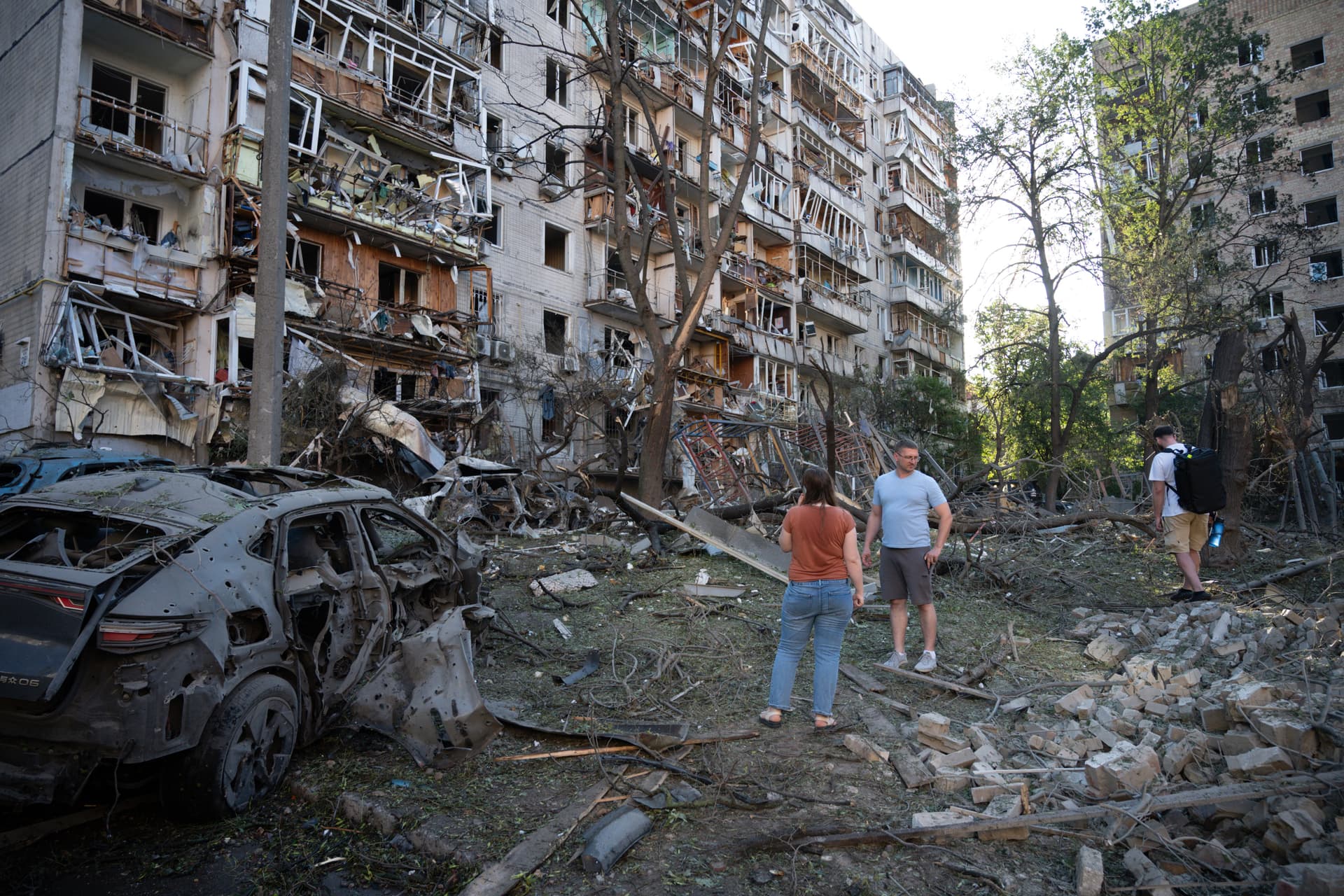
Iran Accuses U.S. of Ceasefire Violations as Lebanon Attacks, Hormuz Tensions Persist
Iran's parliament speaker cited three specific U.S. violations of the two-week truce, while the IRGC shut the Strait of Hormuz and Israel pressed on in Lebanon.
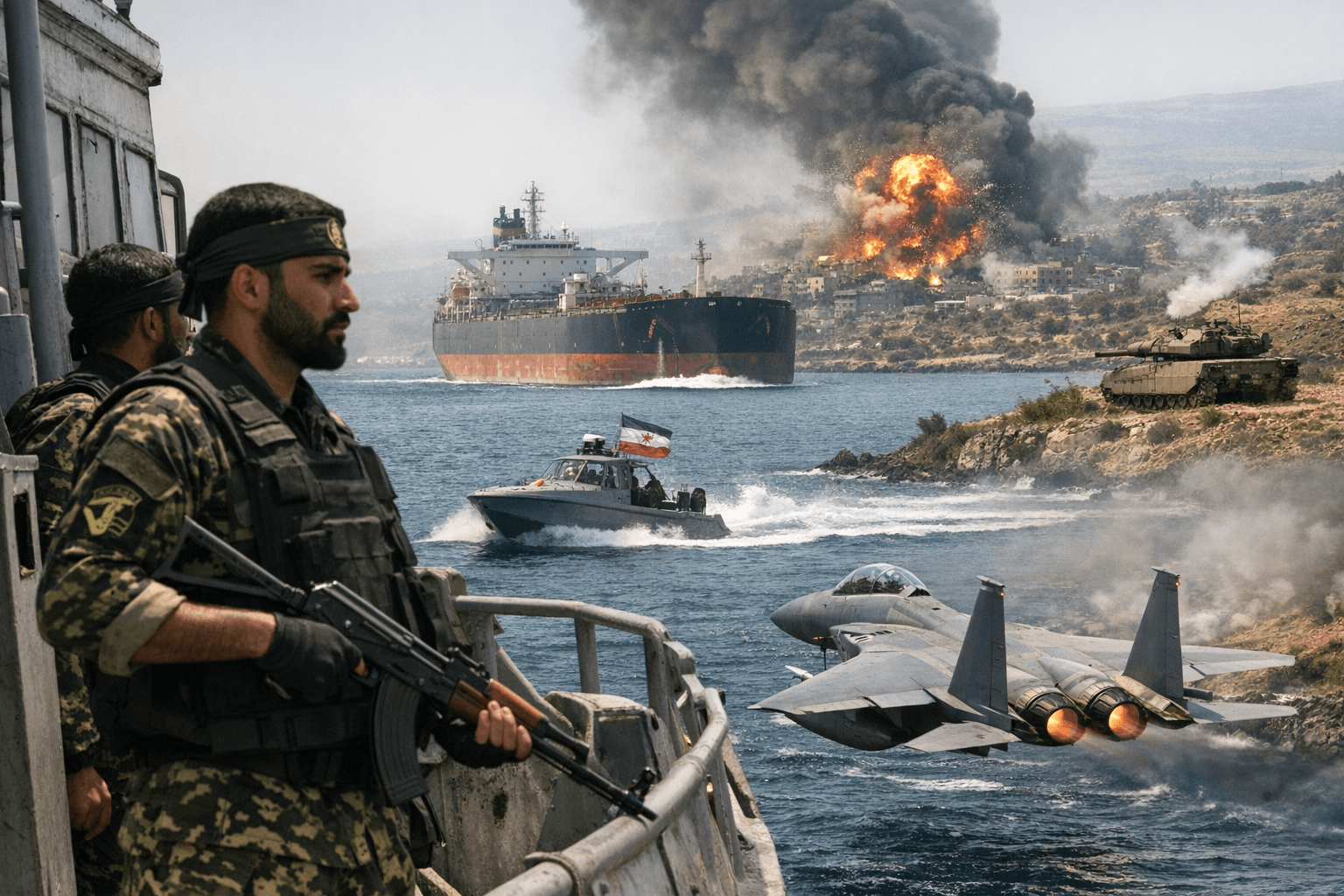
Iran's parliamentary speaker Mohammad Bagher Ghalibaf accused the United States of breaching three of Tehran's 10 conditions for the fragile two-week ceasefire, as the Islamic Revolutionary Guard Corps shut the Strait of Hormuz again and Israeli forces pressed their assault on Lebanon into the truce's second day.
Ghalibaf's complaint was precise: Israel's continued strikes on Lebanon, a drone that entered Iranian airspace in apparent violation of a no-fly clause, and Washington's refusal to recognize Iran's right to enrich uranium. That last point collided directly with President Trump's April 8 declaration at a White House press conference that "there will be no enrichment of uranium" and that the U.S. would work with Iran to "dig up and remove all of the deeply buried nuclear dust." The gap between those two positions is not a detail; it is the structural fault line running beneath the entire agreement.
The ceasefire itself was already ambiguous before the ink dried. Vice President JD Vance acknowledged that three separate 10-point proposals circulated during negotiations, which he said contributed to confusion about what actually forms the basis of the talks. That ambiguity is now operational. The IRGC cited what it called an Israeli ceasefire violation in Lebanon as justification for halting tanker traffic through the Strait of Hormuz, the waterway through which roughly 20 percent of the world's traded oil flows. Oil prices fell sharply after the truce initially took effect, but the IRGC's move to stop shipping reversed that momentum.
Vance gave Iran a direct ultimatum: reopen Hormuz or the ceasefire is over. He also suggested Israel might "check themselves a little bit" with the Lebanon strikes, a notably muted formulation given that Trump himself had already told reporters Lebanon was excluded from the deal because of Hezbollah, adding, "That'll get taken care of too." That framing leaves Washington simultaneously calling on Israel to exercise restraint and confirming that Israeli operations in Lebanon carry no formal ceasefire obligations, a contradiction Tehran is now exploiting to declare U.S. noncompliance.
No formal monitoring body has been identified to adjudicate competing claims. The ceasefire framework includes no named third-party enforcement mechanism, which is why the dispute over Lebanon and Hormuz has immediately become a political and rhetorical contest rather than a verifiable process. French President Emmanuel Macron called on both sides to keep talking while addressing Iran's nuclear program, its ballistic missile arsenal, and its actions obstructing Hormuz navigation, suggesting European capitals recognize the structural gaps the agreement left open.
The next test comes Saturday. Vance will lead a U.S. delegation to Islamabad, joined by special envoy Steve Witkoff and Jared Kushner, for follow-on talks aimed at converting the two-week pause into something more durable. Whether Iran sends a negotiating team at all after Ghalibaf called talks "unreasonable" under current conditions is the question that will determine whether the Pakistan summit produces a framework or simply confirms that the ceasefire has already collapsed in practice before it is officially declared dead.
This article was produced by Prism’s automated news system from verified source data, official records, and press releases, then run through automated quality and moderation checks before publishing. The system is built and supervised by the people who set the standards it runs under. Read our full AI policy.
Did this article answer your question?