Iran and Israel exchange strikes, threatening fragile ceasefire talks
Iran’s missile volley and Israel’s retaliatory strikes jolted fragile ceasefire diplomacy, raising fears a contained exchange could widen across Lebanon and Iran.
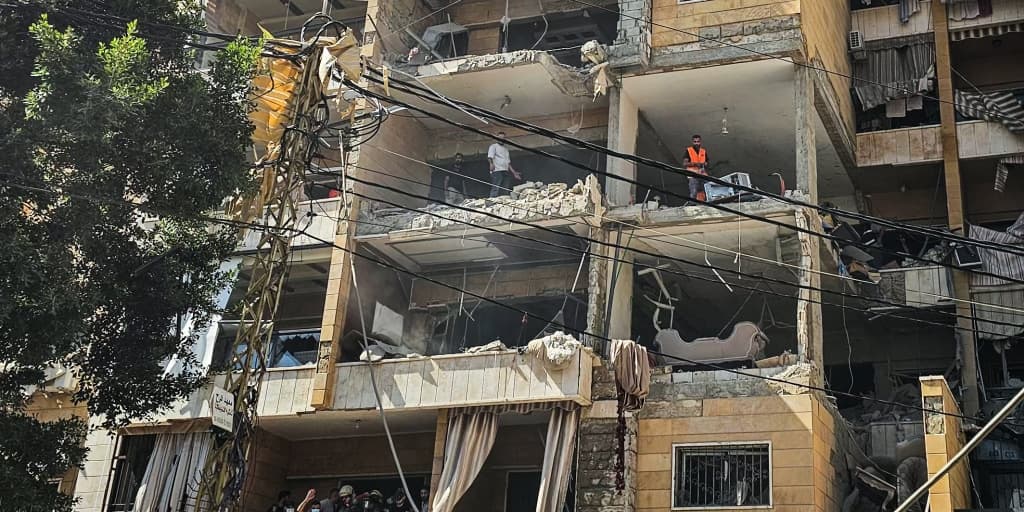
Iran’s missile barrage at Israel and Israel’s retaliatory strikes in western and central Iran pushed an already fragile ceasefire process toward its most dangerous test in months. The exchange began after an Israeli strike in Beirut earlier the same day and marked the first direct Iranian missile attack since the April 8 ceasefire, a shift that deepened fears of miscalculation across Lebanon, Israel and Iran.
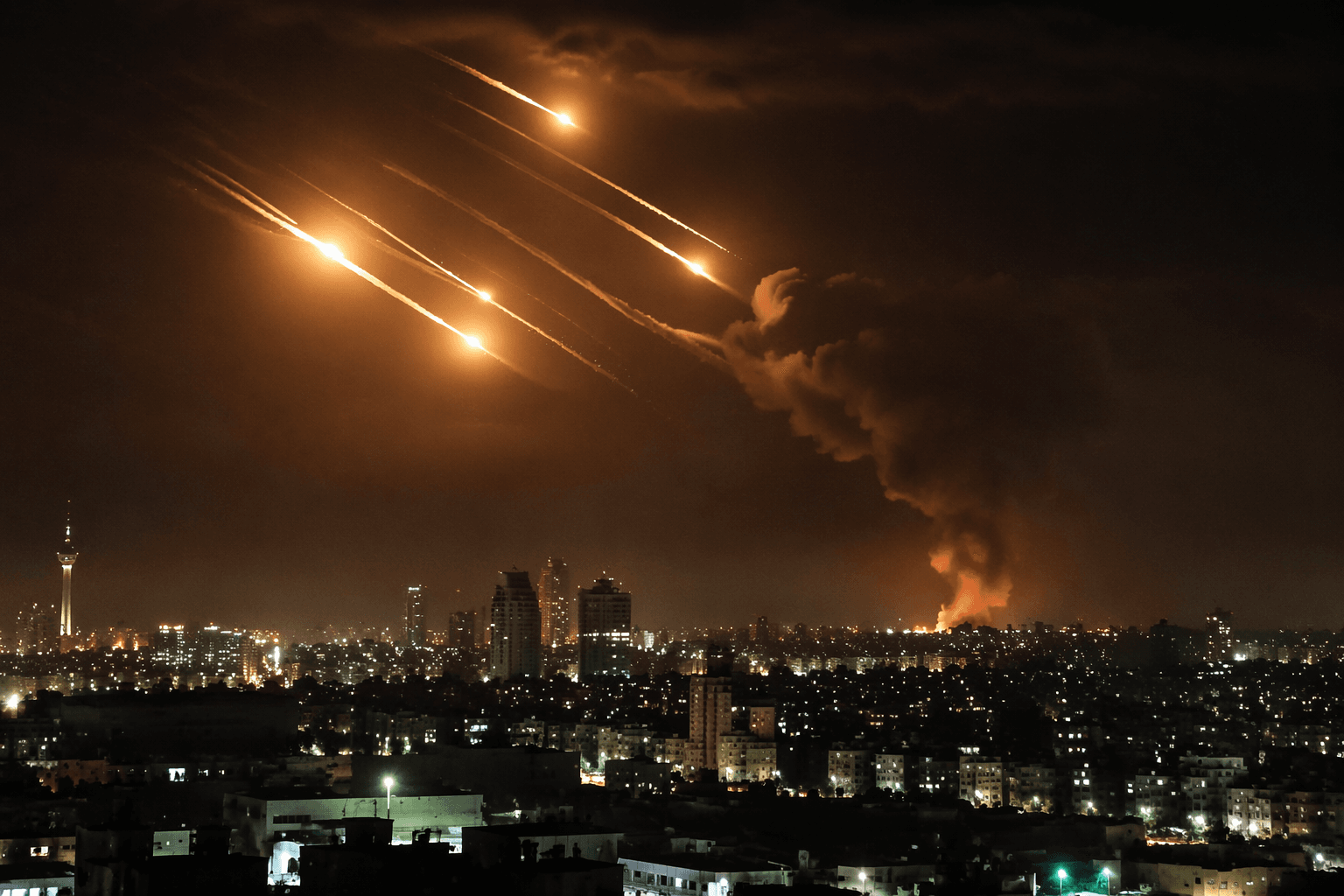
Israel said it intercepted the incoming missiles and reported no casualties in the initial attack, which reports said involved about 10 missiles launched in quick succession toward northern Israel, with one account saying an Israeli airbase was among the targets. Israel then struck military targets in western and central Iran, and Iranian state media reported explosions in Tehran after the retaliation. Even with limited damage, the back-to-back strikes signaled how quickly a contained confrontation can begin to pull in multiple fronts.
The episode also landed directly on top of U.S. diplomacy. President Donald Trump publicly urged Benjamin Netanyahu not to retaliate immediately, saying he wanted to preserve a deal with Tehran and arguing that the two sides were close to an agreement. That intervention underscored how much the conflict now depends on political restraint in Washington and Jerusalem as much as on military calculations in the region.
The U.S. Embassy in Jerusalem had already ordered U.S. government employees and family members to shelter in place until further notice, a reminder that the violence is no longer confined to the immediate combatants. Analysts said the June 7 retaliation cycle was relatively restrained compared with earlier escalations, but they warned that even a limited exchange can embolden hardliners, strain ceasefire talks and expand the war’s reach from Beirut to Tehran and northern Israel.
This article was produced by Prism’s automated news system from verified source data, official records, and press releases, then run through automated quality and moderation checks before publishing. The system is built and supervised by the people who set the standards it runs under. Read our full AI policy.
Know something we missed? Have a correction or additional information?
Submit a Tip

