Iran and Israel trade strikes, raising fears of wider war
Iran warned its attack was only the start of a week of strikes as missiles flew at Israel and Israeli jets hit Iran in a fast-moving escalation.
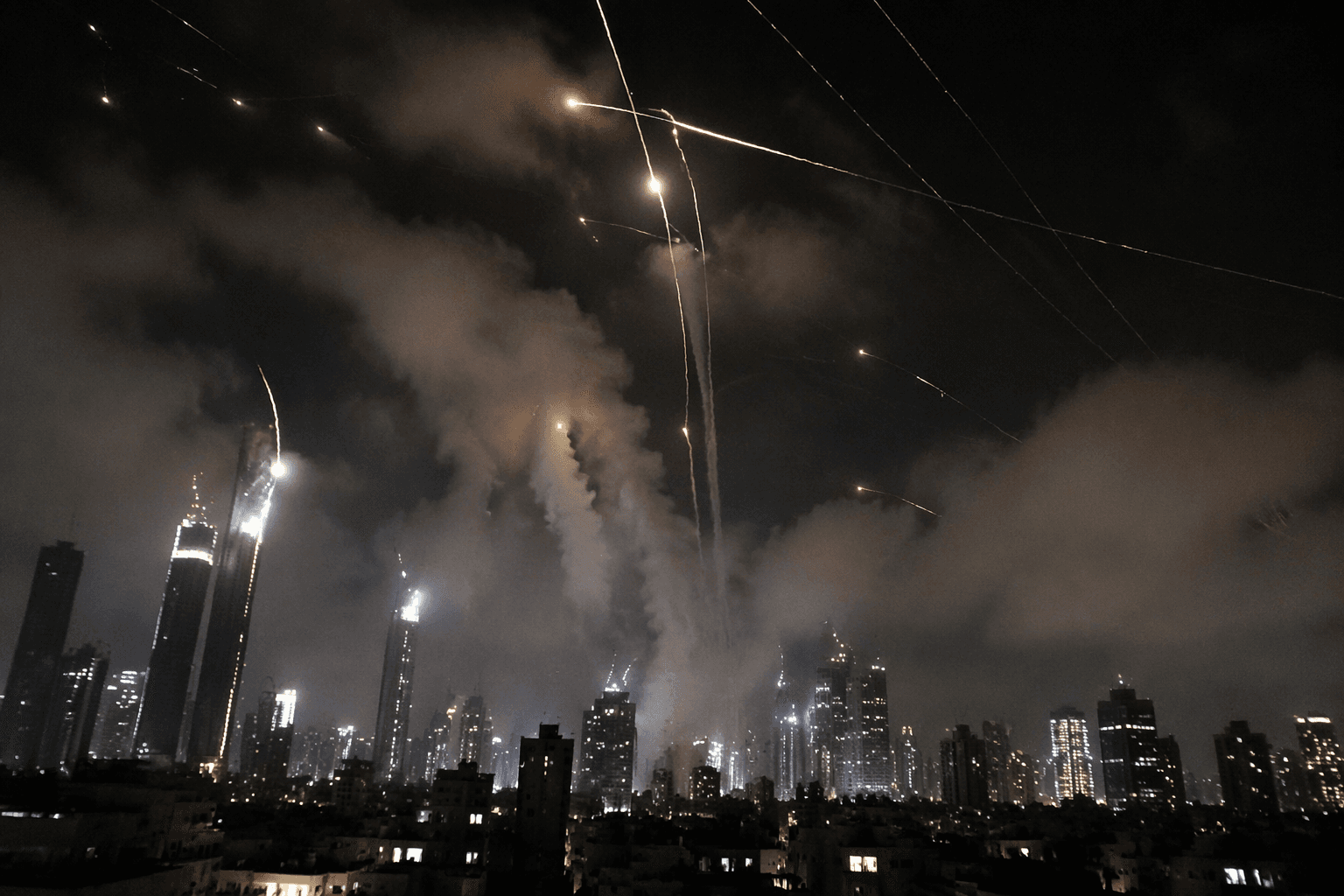
Iran’s Islamic Revolutionary Guard Corps framed its latest strike as the opening act of a longer campaign, saying the operation was “the beginning of a full week of continuous strikes.” The warning landed as Iran and Israel traded fire for the first time since an April 8 ceasefire, a confrontation that quickly raised fears the fragile truce could collapse and pull the wider Middle East back toward regional war.
The flare-up began after Israel struck Beirut’s southern suburbs, an attack that reports said killed at least two people and wounded 20. Iran answered with missiles fired at Israel, and state-linked reporting said the IRGC claimed it had targeted Nevatim Airbase and Tel Nof Airbase. Israeli officials then said they hit military targets in western and central Iran in response.
The scale of the Iranian barrage was described differently across reports, but all pointed to a sharp escalation. One account said Iran launched 11 ballistic missiles in its initial salvo. Another said the Israeli military described the attack as multiple waves over roughly 40 minutes, with six or seven missiles launched in four waves. In Israel, sirens sounded across the country and many of the launches were intercepted, underscoring how quickly the exchange moved from warning to active combat.
The confrontation also highlighted how much of the war is now being fought through messaging as well as missiles. The IRGC’s claim that the strike was not a one-off response but the start of a weeklong campaign was meant to signal endurance to Israel, deter further attacks, and rally domestic support. At the same time, it sent a message to Washington and regional actors that Tehran was prepared to keep the pressure on if the fighting widened.
The political fallout spread beyond the battlefield. Reports said President Donald Trump urged restraint and told Prime Minister Benjamin Netanyahu not to retaliate, while U.S. officials worked to keep the ceasefire from unraveling. Elsewhere, projectiles were reported over Jordan, oil prices rose, and concern deepened over possible attacks on Gulf shipping and infrastructure, a reminder that every new exchange between Tehran and Jerusalem carries risks far beyond the immediate strike zone.
This article was produced by Prism’s automated news system from verified source data, official records, and press releases, then run through automated quality and moderation checks before publishing. The system is built and supervised by the people who set the standards it runs under. Read our full AI policy.
Know something we missed? Have a correction or additional information?
Submit a Tip
