Iran briefly shuts airspace, empties skies and forces global reroutes
Iran closed most of its airspace for nearly five hours, forcing cancellations and reroutes and raising fears of wider confrontation amid U.S.-Iran tensions.
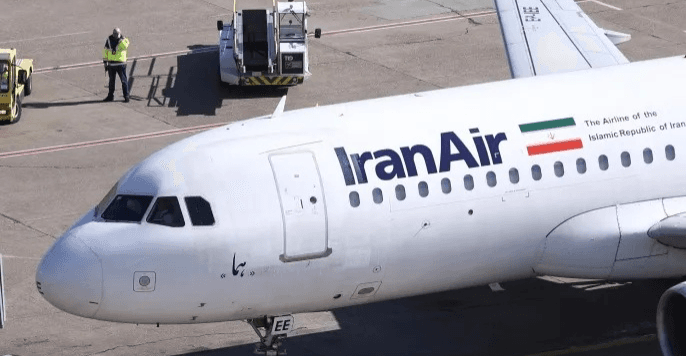
A sudden restriction that emptied Iran's skies for hours forced international carriers to cancel, delay or reroute flights and sharpened concerns about a potential military escalation between Tehran and Washington. Civil aviation notices posted by U.S. authorities and live tracking data showed the near-complete suspension of civilian traffic over Iranian territory before the restriction was lifted early on Jan. 15.
The Federal Aviation Administration posted a notice that Iran had closed its airspace beginning at 22:15 GMT (10:15 p.m. UTC) on Jan. 14, initially through about 00:30 GMT and later extended. The prohibition, according to the notice, exempted only international flights to and from Iran that had obtained prior official permission from Iran’s civil aviation authority. Flight-tracking services captured a rapid emptying of the skies; between roughly 7:15 and 8:30 p.m. Eastern Time, Iranian airspace registered almost no civilian air traffic until the restriction was removed, at which point at least five domestic flights resumed operations.
The measure produced immediate operational headaches. India’s largest carrier, IndiGo, reported some international services were affected, and Air India was among airlines listed as disrupted. A Moscow-bound flight from Aeroflot turned back after the closure, according to tracking data. Other carriers had already been adjusting schedules in recent days: several Middle Eastern and European operators canceled or trimmed services to Iranian destinations, and the Lufthansa Group said it would bypass Iranian and Iraqi airspace until further notice. Germany issued a cautionary directive to its airlines, and U.S. regulations already prohibit American commercial overflights of Iran.
Beyond individual carriers, the interruption highlighted broader strains. Western governments had taken a series of precautionary measures around the region, including temporary withdrawals of some U.S. personnel from bases and advisories urging citizens to leave Iran. A Western military official said "all the signals are that a US attack is imminent," reflecting the anxiety that rippled through allied capitals. President Donald Trump said he had been assured that the killings of protesters had stopped and that he would "watch it and see" regarding possible U.S. military action.

The tactical closing of airspace is a sovereign prerogative but one that carries international consequences. Airlines, which rely on predictable routes and timely notices to safeguard passengers and crews, faced longer flight times, higher fuel bills and cascading schedule disruptions. For passengers, the disruption translated into canceled connections and uncertainty at transit hubs across Europe, the Middle East and South Asia.
Politically, the move was read as both a security precaution and a signal. Iranian authorities did not offer public explanation in the immediate aftermath, and the temporary ban’s exemption for pre-authorized international services suggested a calibrated action intended to control aerial movement without a blanket diplomatic rupture. Aviation analysts noted that while nations regularly close airspace for military or safety reasons, such a sweeping, unannounced restriction during acute bilateral tensions risks amplifying miscalculation.
As commercial flights resumed, operators and regulators faced a short reconciliation of safety and diplomacy: restoring reliable overflight corridors will require clear communication among Iran, neighboring states and international aviation bodies. Until then, airlines are likely to maintain cautious routeing that keeps crews and passengers out of contested skies.
This article was produced by Prism’s automated news system from verified source data, official records, and press releases, then run through automated quality and moderation checks before publishing. The system is built and supervised by the people who set the standards it runs under. Read our full AI policy.
Did this article answer your question?


