Iran Closes Strait of Hormuz After Israel Attacks Lebanon, Violating Ceasefire
Iran again shut the Strait of Hormuz to oil tankers after Israel killed at least 182 people in Lebanon, fracturing a ceasefire announced just hours earlier.
The world's most consequential shipping chokepoint slammed shut Wednesday as Iran halted oil tanker traffic through the Strait of Hormuz in retaliation for a sweeping Israeli assault on Lebanon that killed at least 182 people, the deadliest single day in the Israel-Hezbollah war and a direct challenge to a ceasefire announced barely 24 hours earlier.
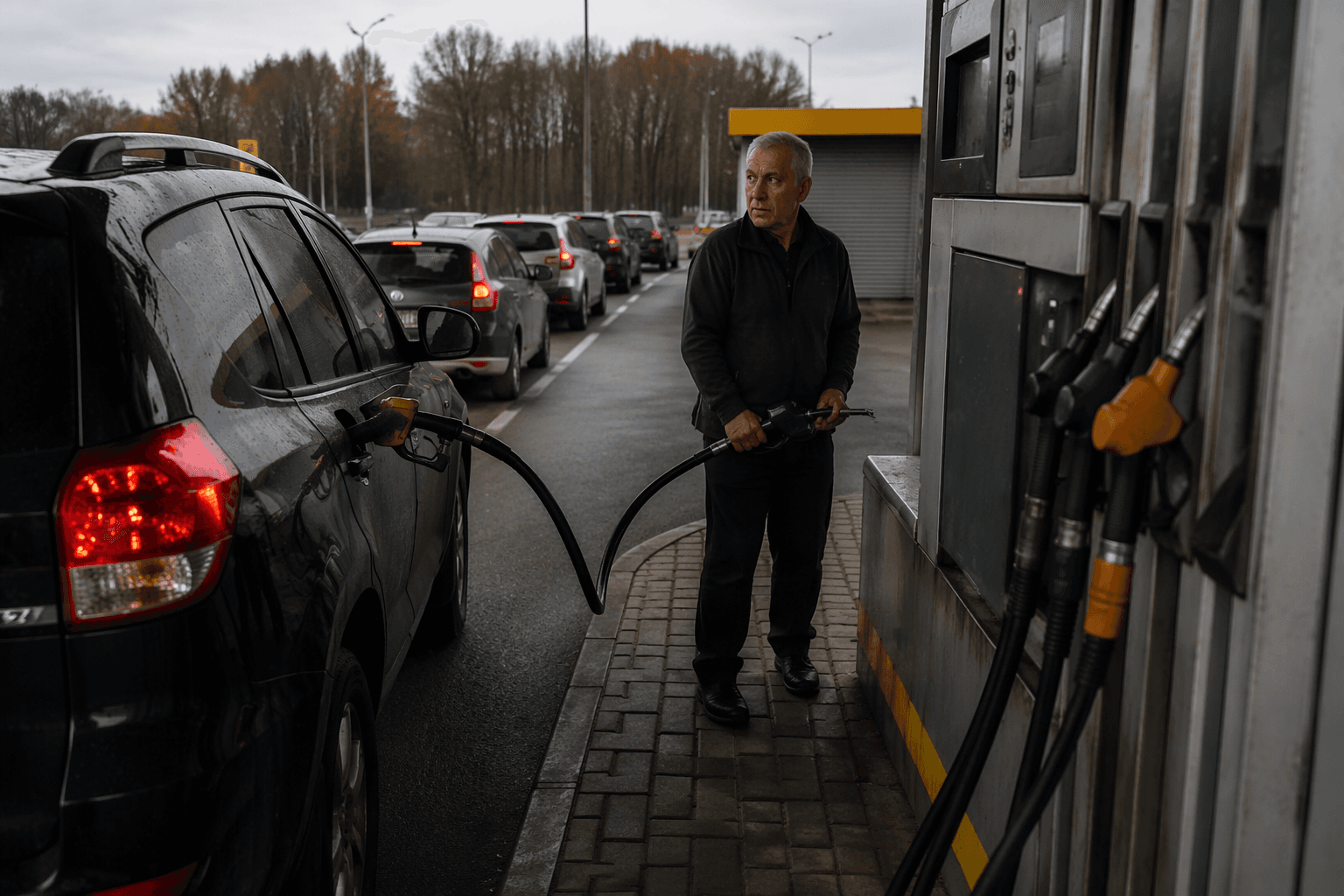
The strait, a 21-mile-wide passage between Iran and Oman, is the transit point for roughly one-fifth of the world's daily oil supply. Its closure threatened to send Brent crude, already trading near $101 a barrel after surging from $72.48 before the conflict began in late February, still higher. War-risk insurance premiums for tankers transiting the Gulf have already jumped from 0.125 percent to between 0.2 and 0.4 percent of vessel value per trip, quadrupling operators' costs in a matter of weeks. A sustained closure, even a partial one, would push those economics further toward the breaking point and accelerate the rerouting of tankers around the Cape of Good Hope, adding weeks to delivery times and corresponding pressure to pump prices at American gas stations.
The immediate trigger was an Israeli Defense Forces barrage that struck commercial and residential areas in central Beirut without warning, hitting what the IDF described as approximately 100 command centers and military infrastructure sites in what Israel called its largest coordinated strike on Lebanon since the conflict with Hezbollah began on March 2. Lebanese health officials recorded at least 182 killed and hundreds wounded across the country, with the Lebanese Red Cross reporting 80 dead and 200 wounded in Beirut alone.
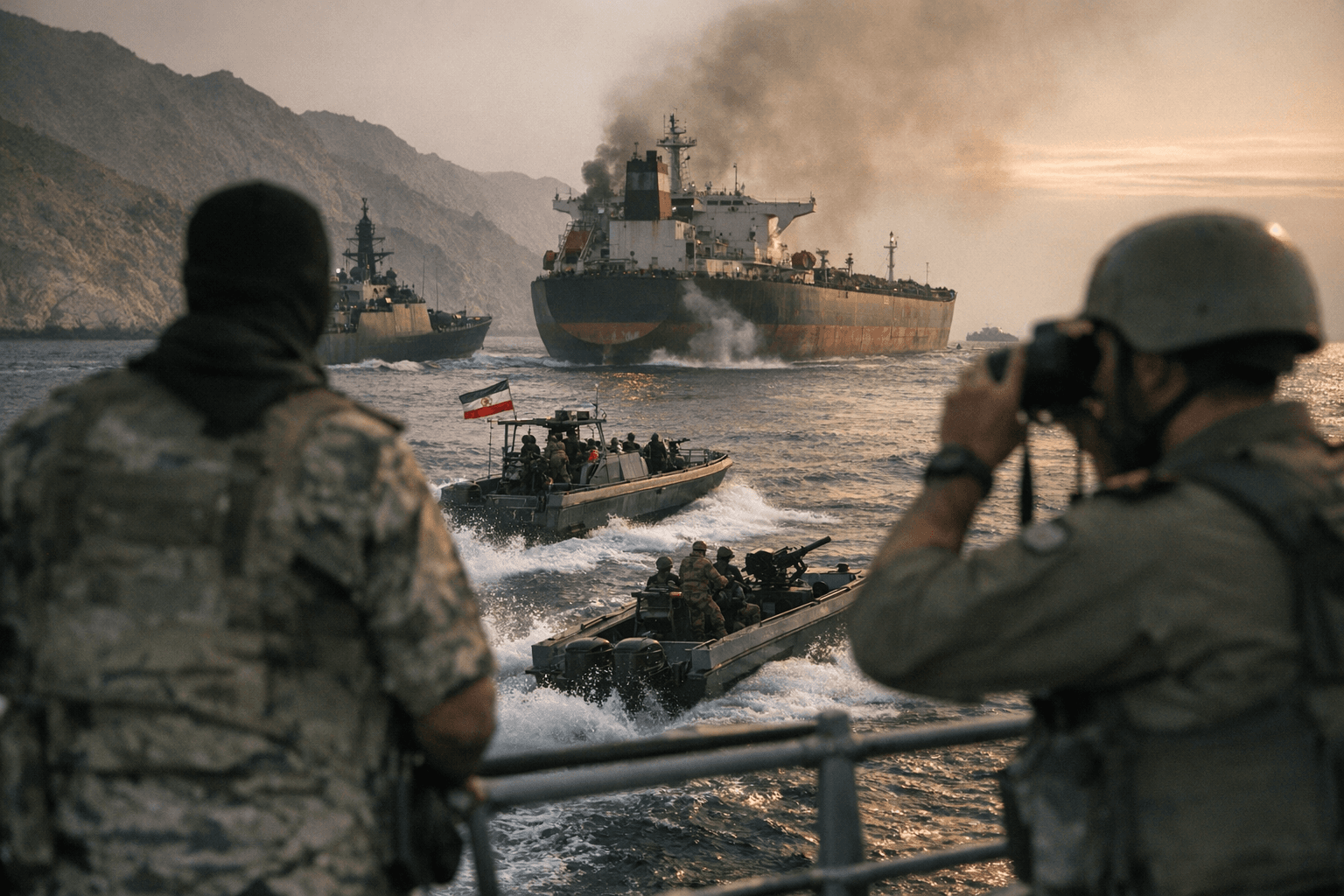
Iran's semi-official Fars news agency, which is affiliated with the Islamic Revolutionary Guard Corps, reported that tanker passage through the strait had been suspended. Iranian Foreign Minister Abbas Araghchi made Tehran's position explicit, writing on social media: "The world sees the massacres in Lebanon. The ball is in the U.S. court, and the world is watching whether it will act on its commitments."
The White House disputed the closure while simultaneously demanding the waterway be reopened. Press Secretary Karoline Leavitt called the shutdown "completely unacceptable" but insisted the reports were misleading. "This is a case of what they're saying publicly is different privately," she told reporters. "We have seen an uptick of traffic in the strait today." Ship-tracking data did show at least two vessels passing through in the hours after Tuesday's ceasefire announcement, but Iran's naval forces had already radioed vessels in the Persian Gulf requiring them to seek permission before transiting.
The core dispute is definitional. Israel and the United States both maintain that the two-week conditional ceasefire announced Tuesday by President Trump covers Iran and its Gulf Arab neighbors but explicitly excludes Lebanon. Trump described the Lebanon fighting as "a separate skirmish." Vice President JD Vance, who was traveling to Islamabad this weekend alongside special envoy Steve Witkoff and presidential adviser Jared Kushner for the first formal round of ceasefire negotiations, put the divergence bluntly: "I think the Iranians thought that the ceasefire included Lebanon, and it just didn't. We never made that promise."
Iran's position is that no agreement separating Lebanon from the broader conflict is legitimate. Araghchi insists an end to the war in Lebanon was embedded in the ceasefire's terms. Pakistani Prime Minister Shehbaz Sharif, whose government served as a key intermediary in the deal, has already publicly criticized the Lebanon strikes, adding diplomatic pressure on Washington.
Israeli Prime Minister Benjamin Netanyahu, speaking ahead of a security cabinet meeting, signaled no intent to halt the Lebanon campaign. "We are prepared to return to fighting at any moment necessary," he said. "Our finger is on the trigger."
The scenario markets fear most is not an immediate, total closure but a prolonged partial one: enough Iranian control over the strait to require military escort for commercial shipping, raise insurance costs beyond what most operators can absorb, and keep supply anxiety baked into futures prices for months. The Dallas Federal Reserve has modeled this exact range of outcomes, noting that shifts in market expectations about closure duration can affect oil price trajectories independently of actual barrel flows. With Vance's Pakistan talks still days away and no unified U.S.-Israeli position on Lebanon, the gap between a managed reopening and a sustained standoff remains wide open.
This article was produced by Prism’s automated news system from verified source data, official records, and press releases, then run through automated quality and moderation checks before publishing. The system is built and supervised by the people who set the standards it runs under. Read our full AI policy.
Did this article answer your question?