Israeli Strikes Kill Over 180 in Beirut, One of War's Deadliest Days
Israeli strikes killed at least 182 people in Beirut hours after an Iran ceasefire that excluded Lebanon, as WCK chef Aline Kamakian witnessed the toll on civilian food operations.
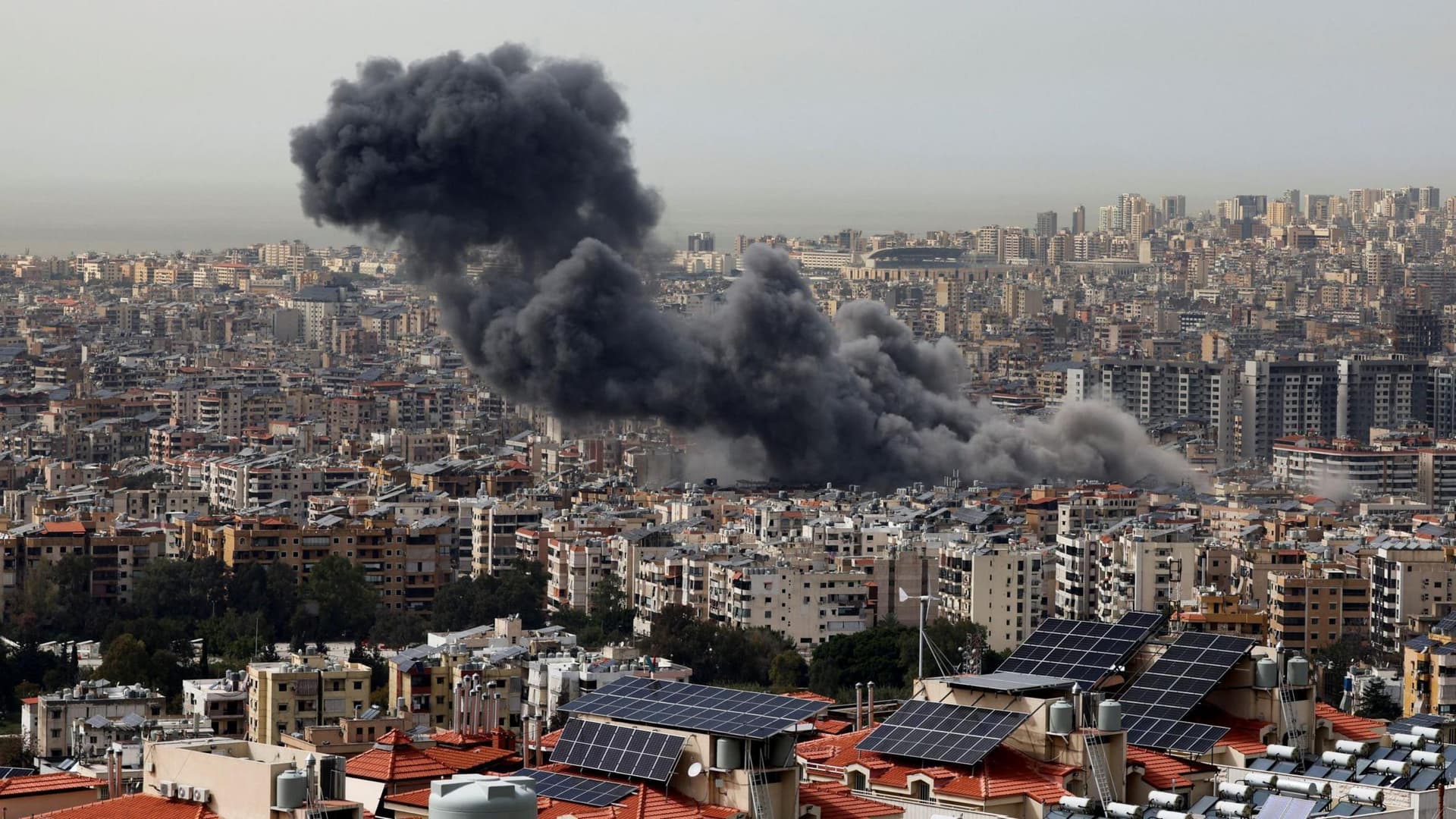
Charred bodies lay in vehicles at one of Beirut's busiest intersections Wednesday after Israeli warplanes struck more than 100 Hezbollah-linked targets across Lebanon in roughly ten minutes, killing at least 182 people and wounding more than 837 others, the highest single-day death toll of the current Israel-Hezbollah conflict and an operation Israel's military called the largest coordinated strike of the entire war.
Lebanon's health ministry confirmed at least 112 killed and 837 wounded by midday, stressing the figures were not final. By evening the toll had climbed to 182, while Al Jazeera and Lebanon's civil defence reported as many as 254 dead. The strikes added catastrophically to a war that had already claimed 1,739 lives across Lebanon before Wednesday.
The assault hit densely populated areas in central Beirut without prior warning, reaching at least five neighborhoods according to Lebanon's National News Agency. Corniche al Mazraa, a busy mixed commercial and residential district, absorbed some of the heaviest damage. Journalists at the scene documented charred bodies in vehicles and on the ground at a major intersection there; an apartment building behind a popular nut and dried fruit shop was among the structures destroyed. Targets also fell across southern Lebanon and the eastern Bekaa Valley, hitting what Israel described as missile launchers, command centers, and intelligence infrastructure. UN top aid official in Lebanon Imran Riza, briefing journalists in New York, confirmed the scale: more than 100 strikes in approximately ten minutes.
Lebanese President Joseph Aoun called the attacks "barbaric." Health Minister Rakan Nassereddine described them as a "dangerous escalation." Mohammed Balouza, a member of Beirut's municipal council who reached Corniche al Mazraa in the aftermath, surveyed the destruction and said, "Look at these crimes." The Lebanese Red Cross said the number of dead and injured was "very big."
The strikes landed hours after a ceasefire between Israel and Iran was announced, a deal U.S. President Donald Trump confirmed explicitly excluded Lebanon. Trump said Hezbollah's involvement was the reason, and Israeli Defence Minister Israel Katz stated directly that the Iran agreement imposed no constraints on Israel's campaign against the Iranian-backed group inside Lebanon.
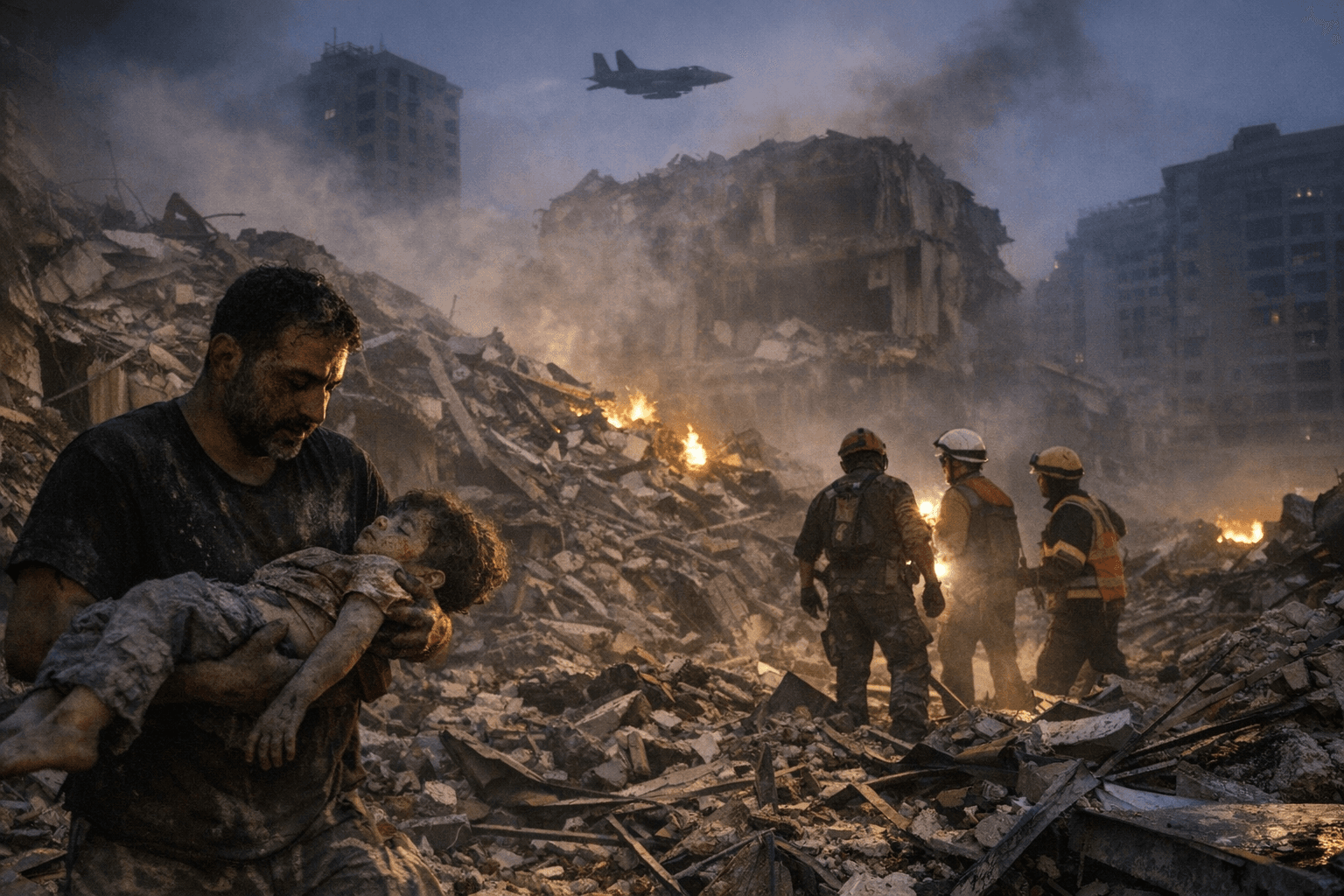
For Aline Kamakian, the timing was not an abstraction. The Lebanese chef of Armenian descent and World Central Kitchen Chef Corps member was in Beirut and witnessed the aftermath firsthand. Kamakian, founder and CEO of Fig Holding and the creator of Mayrig, widely recognized as the first Armenian restaurant in Lebanon and reportedly the world, first joined WCK after the 2020 Beirut port explosion and has since led WCK's on-the-ground food operations in Lebanon.
At the moment the strikes fell, WCK was running six kitchens across Lebanon, three of them in Beirut, producing tens of thousands of meals each day for families sheltering in schools and informal displacement centers. The organization had already delivered more than 200,000 meals in Lebanon as the displacement crisis expanded well beyond what official figures reflected. "Whatever the need is, we're running," Kamakian told the BBC. "WCK is first to the frontlines."
The Lebanon mission is part of WCK's broader Middle East response, which also encompasses Gaza, where seven WCK aid workers were killed in an Israeli airstrike on their convoy in April 2024, drawing global condemnation and intensifying scrutiny of humanitarian access in active conflict zones. Globally, WCK provided over 109 million meals across 20 countries in 2024. Wednesday's strikes ensured Lebanon's demands on that capacity would only deepen.
This article was produced by Prism’s automated news system from verified source data, official records, and press releases, then run through automated quality and moderation checks before publishing. The system is built and supervised by the people who set the standards it runs under. Read our full AI policy.
Did this article answer your question?


