U.S. and Iran Agree to Ceasefire, Reopening Strait of Hormuz for Two Weeks
Iran opened the Strait of Hormuz under a two-week U.S. ceasefire deal, sending oil prices down 9%, but Trump's 'two weeks' promises have a long history of expiring unfulfilled.
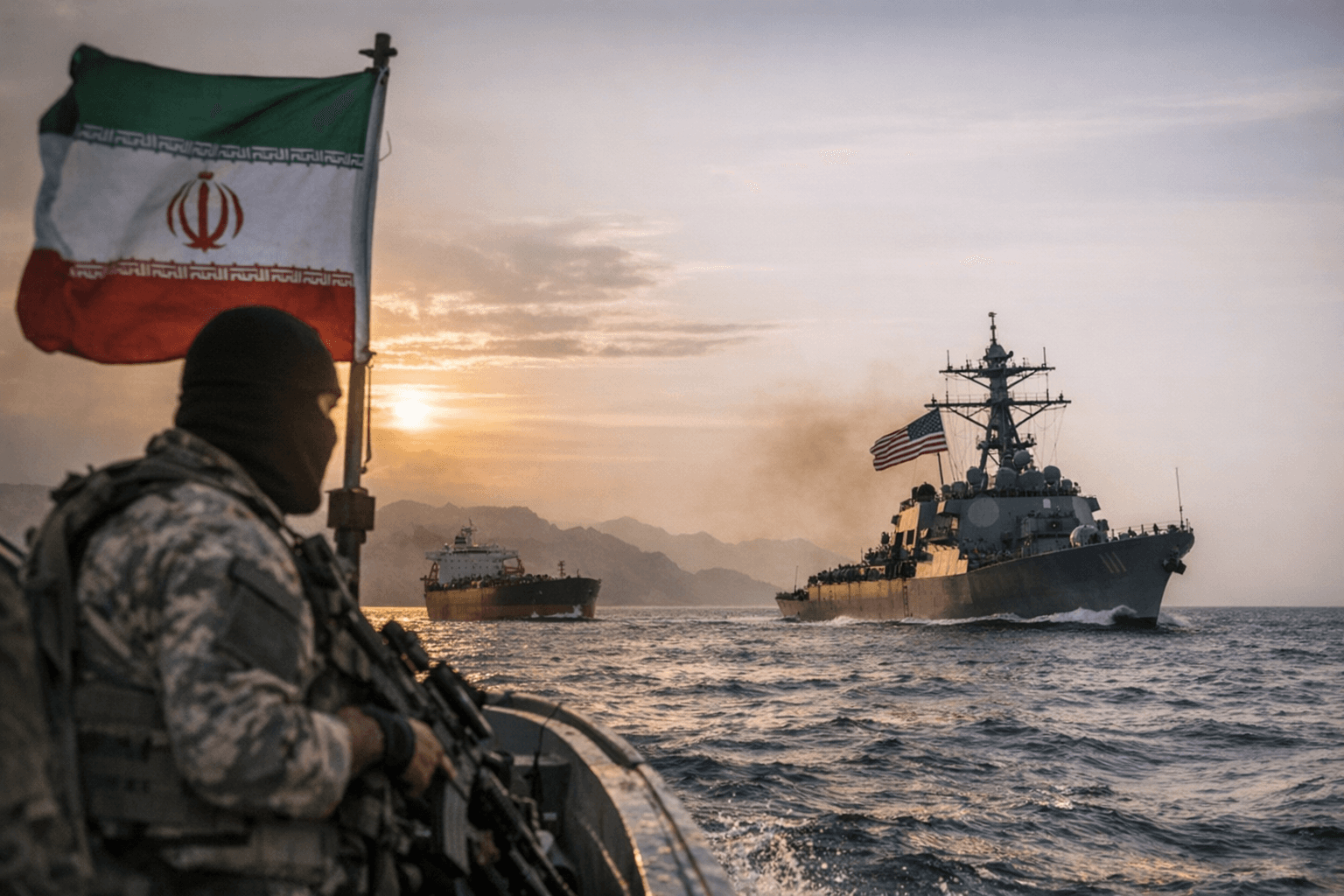
The Strait of Hormuz reopened to commercial shipping after President Trump announced a two-week ceasefire with Iran, sending West Texas Intermediate crude tumbling more than 9% to around $96 a barrel in under half an hour. The deal, contingent on what Trump described as a "COMPLETE, IMMEDIATE, and SAFE OPENING" of the waterway, gave global energy markets their first significant relief since the war began more than a month ago on February 28.
Trump posted the announcement on social media ahead of an 8 p.m. ET deadline, declaring that "almost all of the various points of past contention have been agreed to between the United States and Iran, but a two-week period will allow the Agreement to be finalized and consummated." The underlying framework, a 10-point peace plan, he called "a workable basis on which to negotiate."
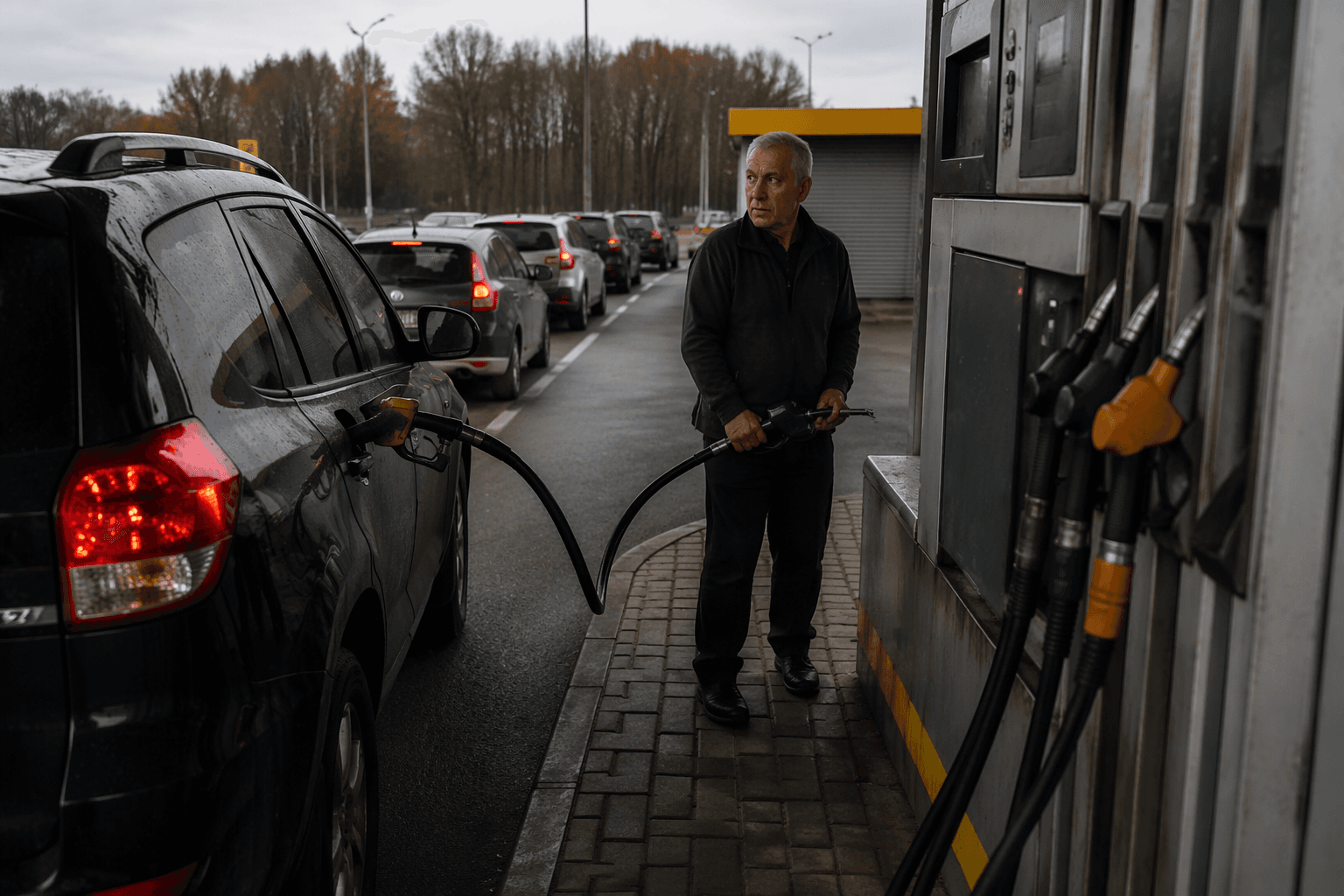
Iranian Foreign Minister Abbas Araghchi confirmed Iran's acceptance in a statement issued on behalf of Iran's Supreme National Security Council, saying "for a period of two weeks, safe passage through the Strait of Hormuz will be possible via coordination with Iran's Armed Forces and with due consideration of technical limitations." The strait carries approximately 20% of the world's oil, and its effective closure since the war's start had driven global energy prices sharply higher. WTI prices, though down sharply after the announcement, remained above pre-war levels.
International reaction moved quickly. European leaders issued a joint statement pledging that "our governments will contribute to ensuring freedom of navigation in the Strait of Hormuz." Australian Prime Minister Anthony Albanese expressed support and praised the negotiating contributions of Pakistan, Egypt, Turkey, and Saudi Arabia. Israeli Prime Minister Benjamin Netanyahu's office offered conditional backing, stating that "Israel supports President Trump's decision to suspend strikes against Iran for two weeks subject to Iran immediately opening the straits and stopping all attacks on the US, Israel and countries in the region," while clarifying that the ceasefire "does not include Lebanon," where Israeli forces remain engaged with Hezbollah militants.
Vice President JD Vance described the agreement as a "fragile truce," citing divisions within the Iranian regime as a complicating factor in the negotiations ahead. White House Press Secretary Karoline Leavitt pushed back on any skepticism, arguing that Trump's "very tough rhetoric and his tough negotiating style is what has led to the result."
The phrase "two weeks" carries its own baggage in the Trump era, and critics and social media users noted the pattern immediately. During his first term, Trump repeatedly promised a replacement to the Affordable Care Act within "two weeks," including a 2020 Fox News interview with Chris Wallace in which he stated: "We're signing a health care plan within two weeks, a full and complete health care plan." That plan never materialized. When asked about an Obamacare replacement during a 2024 debate against then-Vice President Kamala Harris, Trump acknowledged he had only "concepts of a plan." One viral TikTok post captured the accumulated skepticism: "Been waiting for the healthcare plan that will be released in two weeks since 2015." In his second term, Trump told reporters for months he would know "in about two weeks" whether Russian President Vladimir Putin was serious about ending the war in Ukraine, a benchmark that cycled through the calendar without resolution. Critics have characterized the recurring framing as "ambitious promises framed around imminent deadlines that fail to materialize."
What structurally distinguishes the Iran timeline is that the ceasefire carries a concrete, verifiable trigger: commercial shipping through the Strait of Hormuz either resumes or it does not. Araghchi's confirmation put a specific mechanism on record, with coordination through Iran's Armed Forces named as the operative framework. No equivalent mechanism existed for the healthcare plan or the Ukraine talks. Whether that distinction proves decisive, or whether the two-week window becomes another entry in the pattern, will be tested in real time against oil prices, shipping traffic, and the demands of a 10-point agreement still waiting to be signed.
This article was produced by Prism’s automated news system from verified source data, official records, and press releases, then run through automated quality and moderation checks before publishing. The system is built and supervised by the people who set the standards it runs under. Read our full AI policy.
Did this article answer your question?