Trump Furious at NATO Allies for Refusing to Join U.S.-Israeli War on Iran
Trump threatened to pull the U.S. from NATO after allies refused to join the Iran war, but his own secretary of state's 2023 law may block the exit.
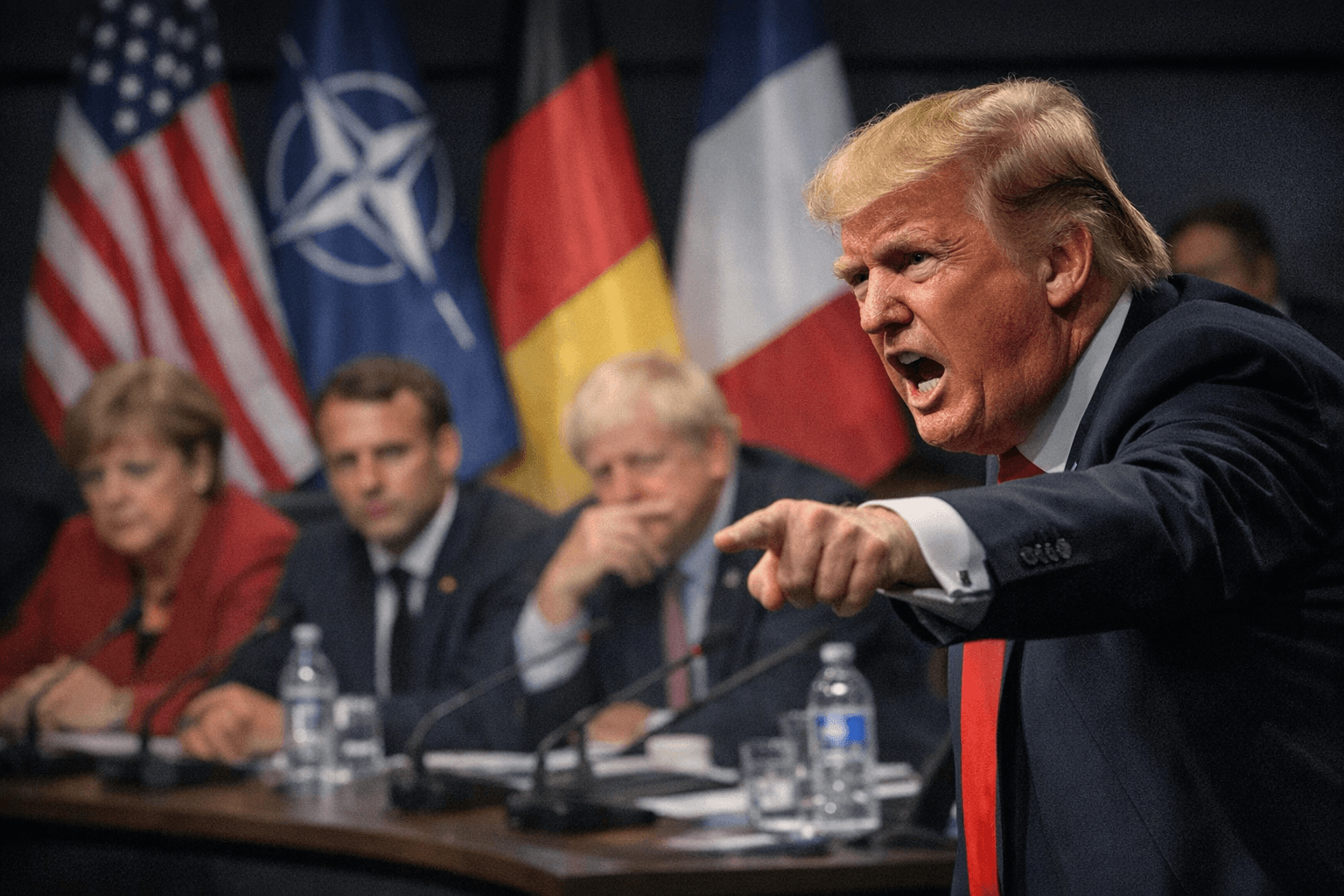
Trump's anger at NATO allies for staying out of the U.S.-Israeli war on Iran hardened into withdrawal threats on April 8, as White House Press Secretary Karoline Leavitt declared the alliance had failed a "test" just hours before Trump sat down with NATO Secretary-General Mark Rutte at the White House.
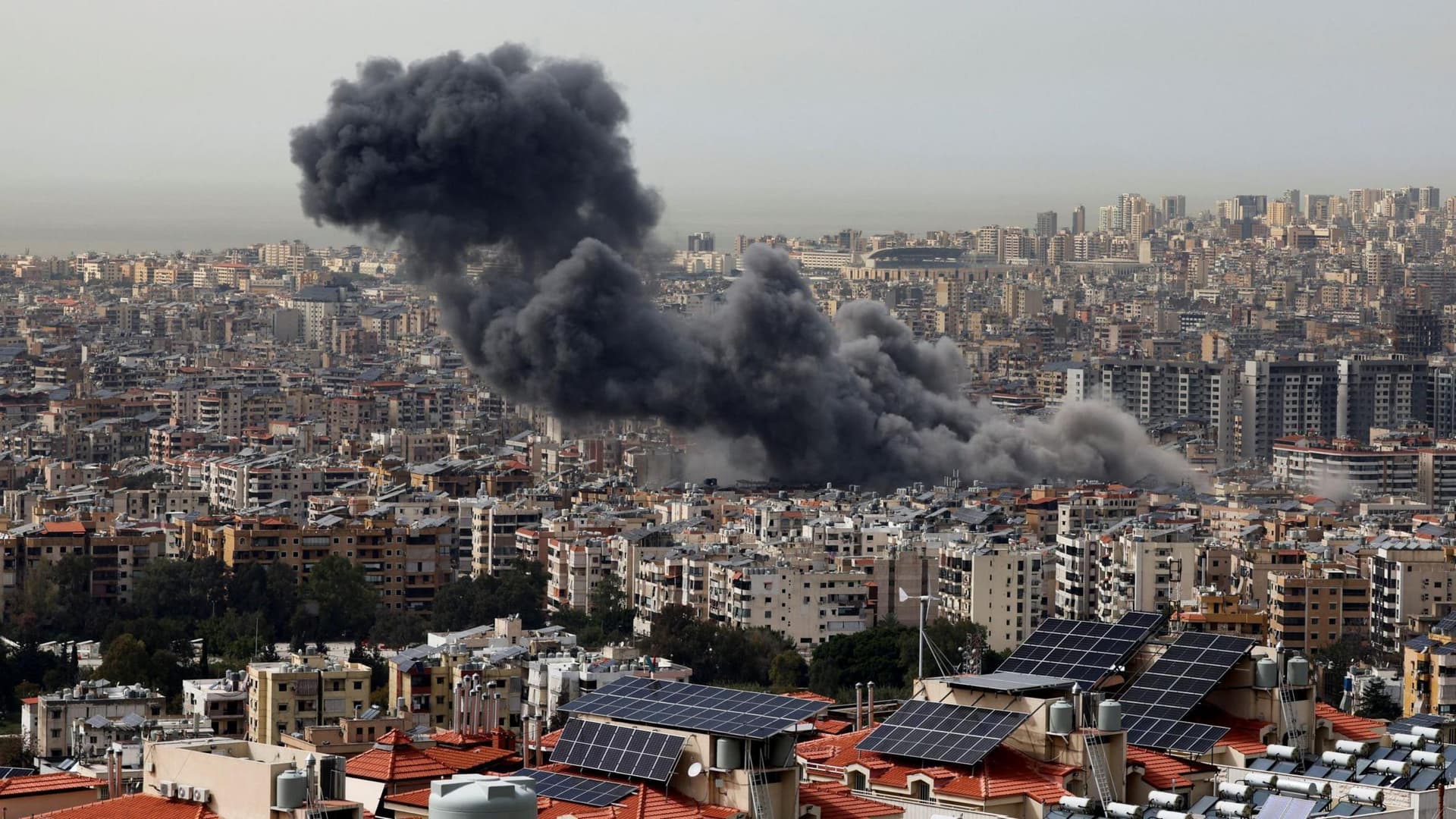
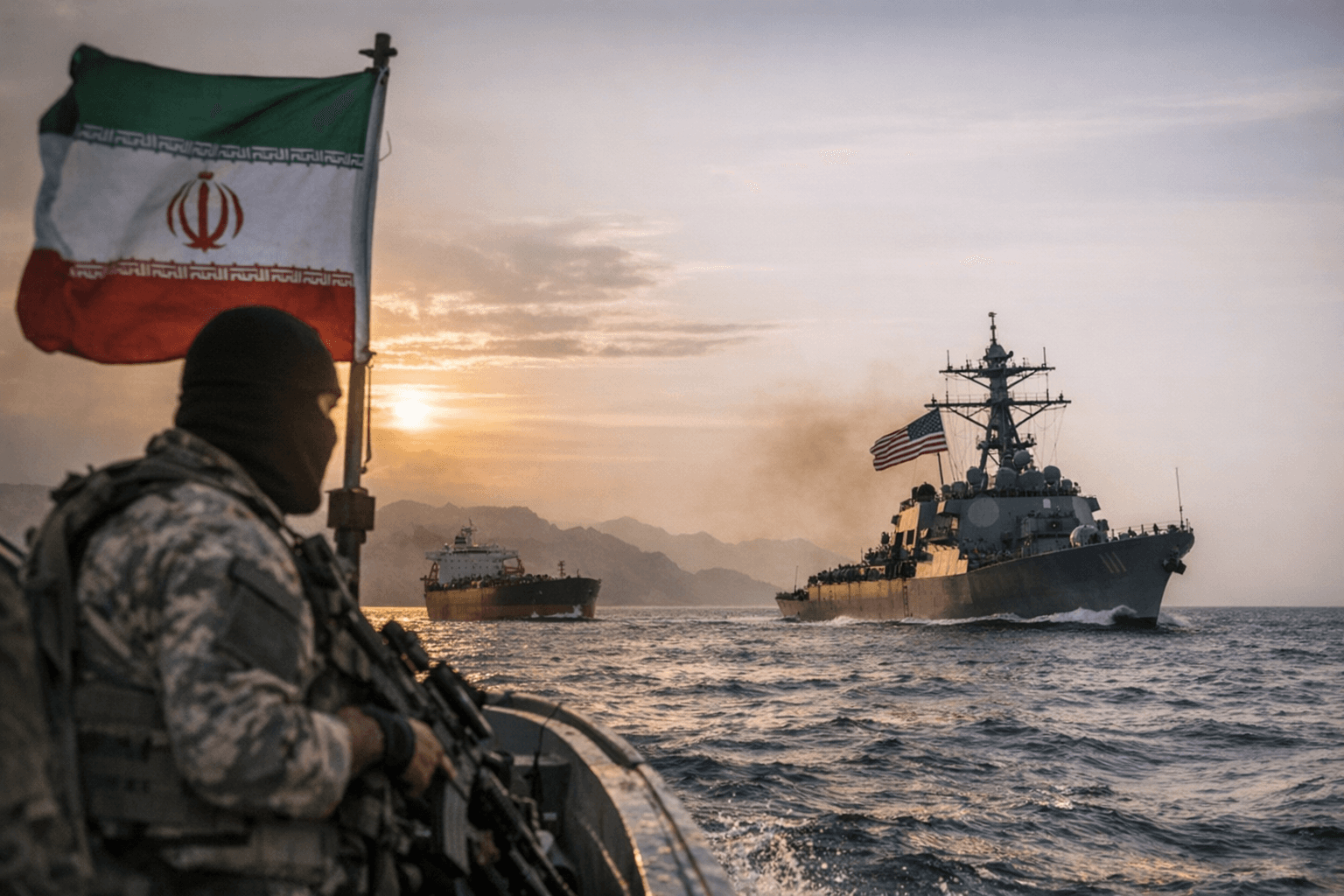
With the conflict entering its second month and Iran still choking shipping traffic through the Strait of Hormuz, the president's frustration escalated from grievance to ultimatum. On March 20, Trump posted on Truth Social that NATO countries were "COWARDS, and we will REMEMBER!" accusing allies of complaining about high oil prices while refusing to help reopen the strait. In separate interviews with Reuters and The Telegraph, he framed the relationship in blunter terms: "They haven't been friends when we needed them. We've never asked them for much... it's a one-way street."
Secretary of State Marco Rubio amplified the threat by saying the administration would now "have to reexamine the value of NATO." The irony is structural: Rubio co-sponsored the 2023 law, codified as Section 1250A of the National Defense Authorization Act, that expressly bars any president from withdrawing the United States from NATO without an act of Congress or a two-thirds Senate resolution. His own legislation is now the primary legal obstacle to the policy he is helping to advance.
Any actual exit would carry consequences that extend well past rhetoric. Roughly 70,000 U.S. troops are stationed in Europe under NATO frameworks, and their basing rights, command structures, and legal protections would require wholesale renegotiation. Intelligence-sharing networks built over seven decades span signals, satellite, and human collection deeply embedded in allied services; a U.S. departure would fracture those arrangements with no ready substitute. Defense industry contracts tied to NATO interoperability standards, covering everything from fighter jet components to integrated missile defense systems, could face legal challenge. University of Chicago law professor Curtis Bradley has noted that contractors facing economic injury from a withdrawal would potentially have standing to sue, creating a legal battlefront that could operate independently of whatever Republicans in the Senate choose to do.
The geopolitical ripple effects are already materializing without a formal withdrawal. Russian officials and state media have been openly celebrating Trump's pressure campaign on the alliance, casting European resistance as confirmation of the continent's strategic fragility. Surging oil prices, driven by Iran's closure of the strait and Trump's own temporary easing of sanctions, are pumping billions into Moscow's war chest. For frontline NATO members in the Baltic region and Poland, any erosion of the U.S. Article 5 commitment reshapes the deterrence calculus immediately, well before any legal process concludes.
Article 5 has been invoked exactly once in NATO's history: September 12, 2001, the day after the attacks on New York and Washington. Senator Mark Warner of Virginia called Trump's withdrawal threat "reckless" and reminded the White House that allied troops served and died alongside Americans in Afghanistan. Warner vowed Congress would not allow Trump to "unravel an alliance that has kept Americans safe for decades."
Whether Congress can enforce that vow in court is a separate question. Legal scholars note the Supreme Court has repeatedly deferred to the Trump administration on executive authority, and a full constitutional confrontation between the branches, with the judiciary as referee, could outlast any diplomatic progress the Rutte meeting might generate. A two-week ceasefire between the U.S., Israel, and Iran announced on April 7 bought time, but the structural damage to the alliance's credibility, and to the trust that undergirds Article 5, is already accumulating on its own schedule.
Sources:
Know something we missed? Have a correction or additional information?
Submit a Tip