Iran Conflict Drives Jet Fuel Costs Higher, Airlines Raise Fares
Jet fuel prices have more than doubled since US-Israel strikes hit Iran, forcing United, Cathay Pacific, and Air New Zealand to cut routes and hike fares.
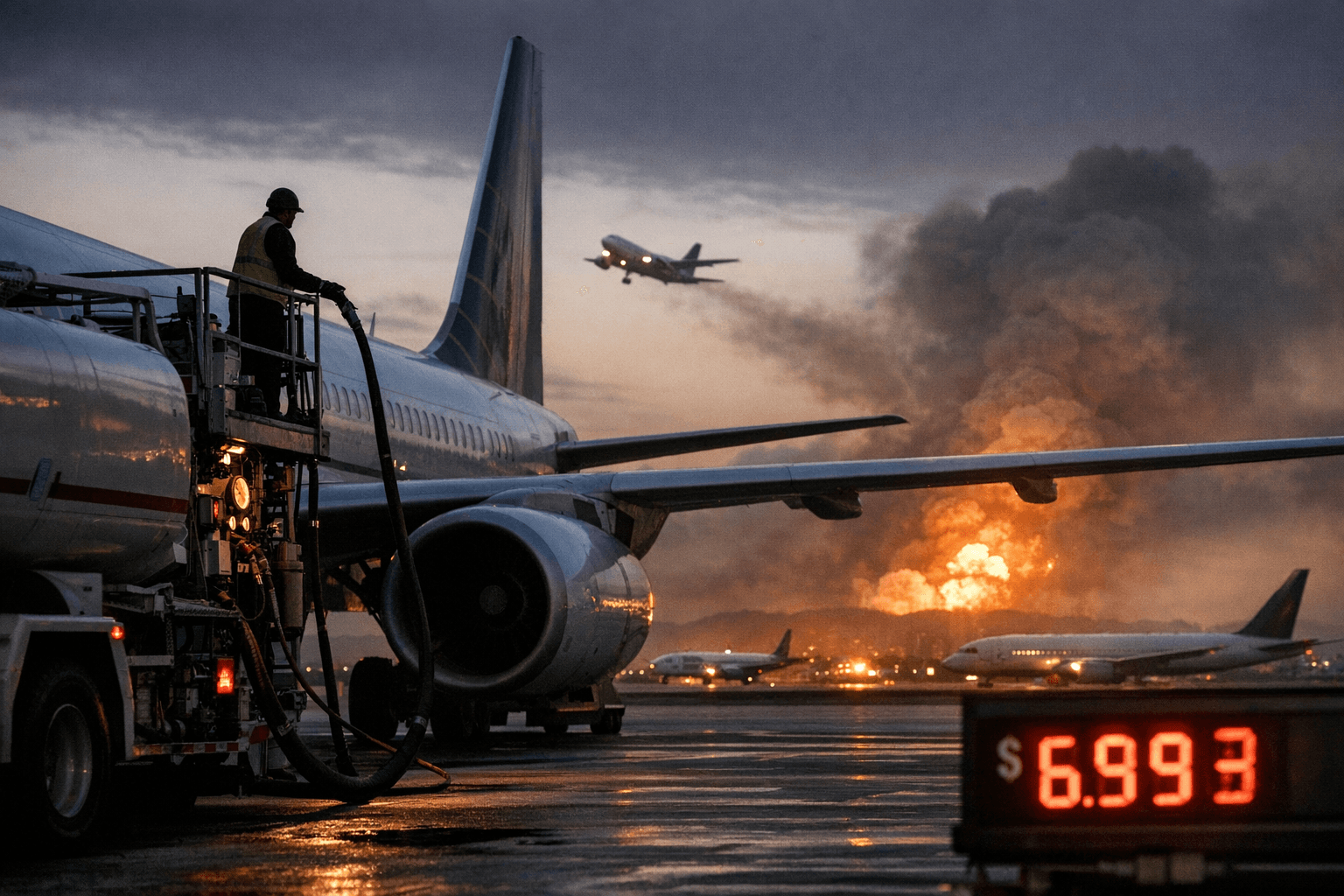
Jet fuel has more than doubled in price since US and Israeli strikes hit Iran in early March, and the costs are now landing directly on travelers in the form of fare hikes, route cuts, and airspace restrictions stretching from Tel Aviv to Dubai.
The International Air Transport Association recorded a 106% surge in jet fuel prices for the week ending March 20, with prices rising from $85 to $90 per barrel before the conflict to between $150 and $200. The driver is a double disruption: strikes that damaged refinery capacity in the region and blockades that effectively closed the Strait of Hormuz, the world's most vital oil export route, to commercial shipping.
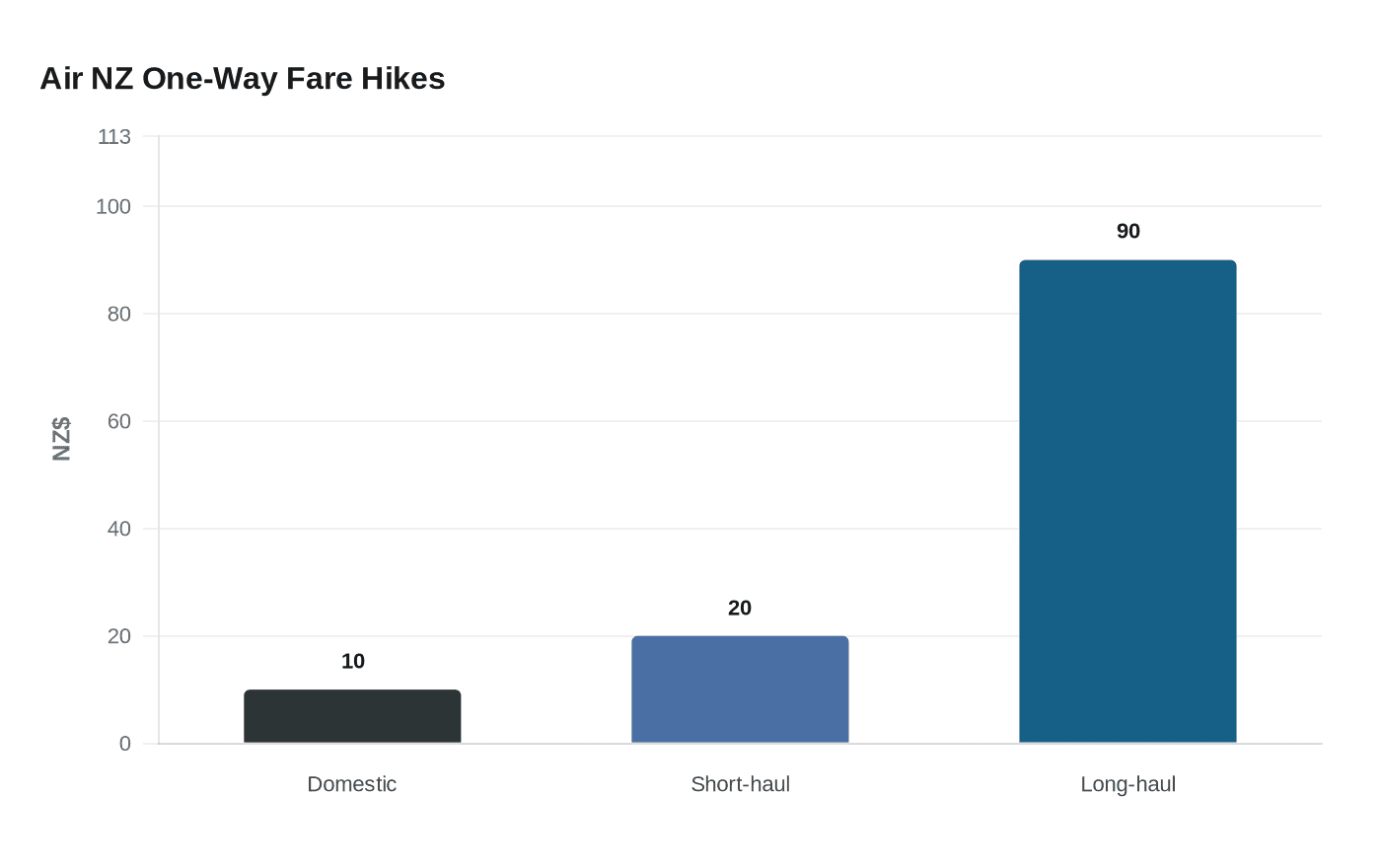
For passengers, the consequences are immediate and compounding. Air New Zealand raised one-way economy fares by NZ$10 on domestic routes, NZ$20 on short-haul services, and NZ$90 on long-haul flights. Air France-KLM added 50 euros to round-trip tickets. Thai Airways officials said they expect airfares to rise 10 to 15 percent. Aviation analysts project fares will run 5 to 10 percent higher than previously forecast across all of 2026 and 2027.
Cathay Pacific CEO Ronald Lam said during a media session this month that "the cost of fuel so far this month is double the average of the previous two months." The carrier roughly doubled fuel surcharges on all routes from March 18. AirAsia announced temporary price hikes and surcharge additions. South Korea's Korean Air entered what it called "emergency management mode" in April as rising oil prices weighed on operations.
United Airlines became the first major US carrier to cut capacity. CEO Scott Kirby said the airline would start "tactically pruning flying that's temporarily unprofitable in the face of high oil prices," reducing planned routes by roughly 5 percent during the second and third quarters of 2026. Three percentage points of those cuts target off-peak periods, including midweek and red-eye flights; one percentage point comes from reduced service at Chicago O'Hare; and one percentage point reflects the suspension of service to Tel Aviv and Dubai.
Those two cities sit at the heart of the most disrupted travel corridor. More than seven countries now have fully closed or severely restricted airspace, including Iran, Iraq, Israel, Kuwait, Bahrain, Lebanon, and parts of Jordan. In ordinary times, the Persian Gulf's skies serve as a critical bridge between Europe and Asia, routing flights through mega-hubs at Dubai International, which handled 95.2 million passengers in 2025, Doha's Hamad International at 54.3 million, and Abu Dhabi's Zayed International at 33 million. Emirates, Etihad, and Qatar Airways have all suspended certain routes due to airspace closures and safety requirements.
Travelers with existing bookings have recourse, but it requires prompt action. Cathay Pacific introduced a ticket waiver policy covering flights to and from Dubai through May 31, allowing passengers to rebook, reroute, or claim full refunds without fees; those who booked through third-party agents are advised to contact them directly. New York's JFK to Tel Aviv service has been pushed back to at least April 23, pending airspace conditions.
Analysts note that pricing disruptions typically lag fuel spikes by one to two booking cycles, meaning fares will likely stay elevated in the weeks ahead even if oil prices begin to ease. Booking refundable or changeable fares and reconsidering non-essential travel to affected regions remain the most reliable hedges against further volatility.
This article was produced by Prism’s automated news system from verified source data, official records, and press releases, then run through automated quality and moderation checks before publishing. The system is built and supervised by the people who set the standards it runs under. Read our full AI policy.
Did this article answer your question?

