Oil Prices Surge to Six-Year High as Iran Conflict Disrupts Global Supply
U.S. crude surged to $114 a barrel on April 5 as Trump threatened to bomb Iran's power plants if Tehran doesn't reopen the Strait of Hormuz by Tuesday.
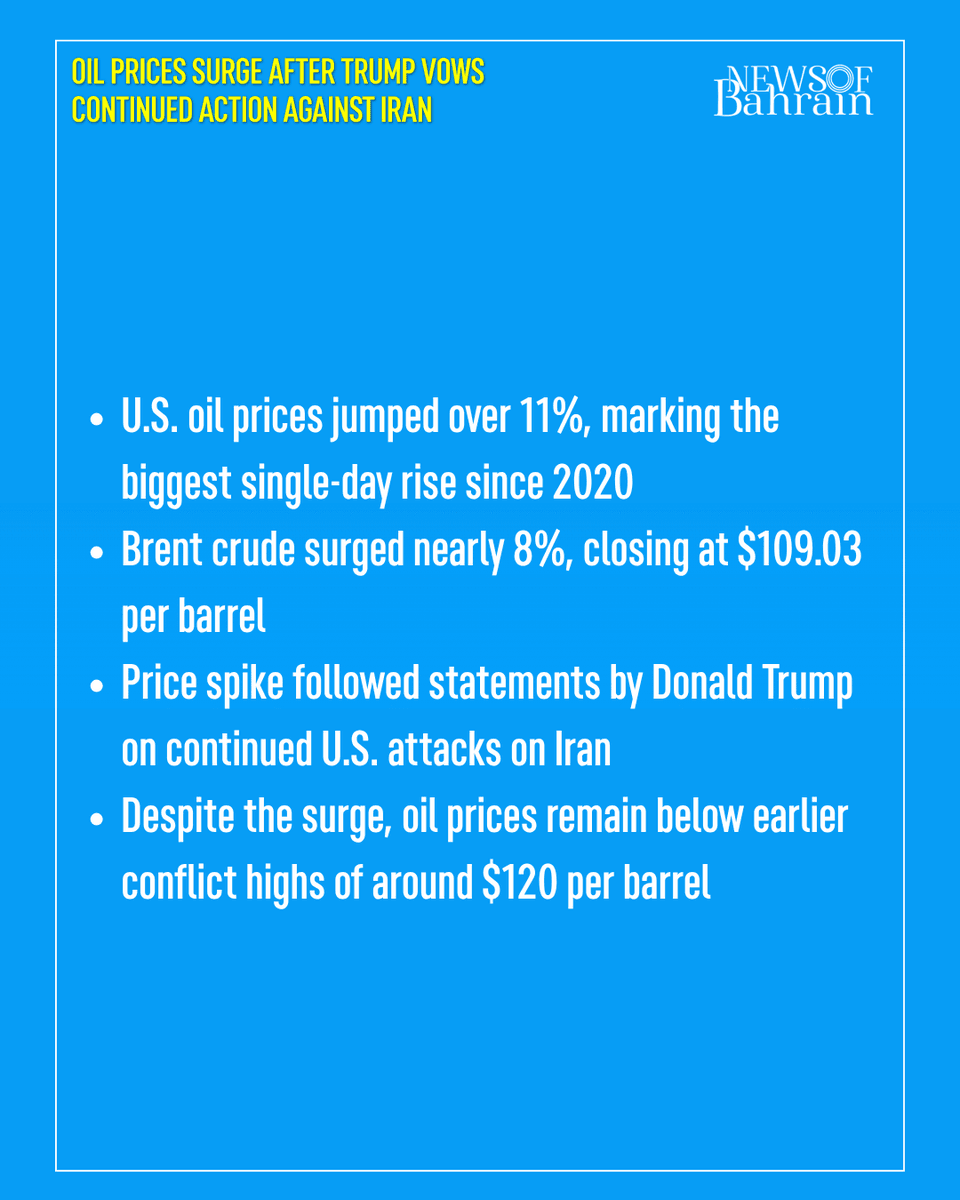
U.S. crude oil rose 2.35% to $114.16 a barrel Sunday as President Donald Trump issued an ultimatum to Iran, warning the country would face devastating military strikes on its power plants if Tehran did not reopen the Strait of Hormuz by Tuesday. International benchmark Brent crude advanced 1.72% to $110.91 per barrel, extending a rally that has pushed oil prices up nearly 60% since the United States and Israel launched airstrikes against Iran on February 28.
The price move came before any confirmed new supply cut, driven instead by the market's cold calculation of escalating probability. With the strait effectively closed since early March, roughly 20% of the world's daily oil exports remain blocked from reaching global markets. The International Energy Agency has described the disruption as the "largest supply disruption in the history of the global oil market," and traders are now pricing in the growing likelihood that the blockade will extend well past the mid-April window that oil executives had identified as a critical threshold for averting far worse damage.
For American consumers, the stakes arrived at the pump well before any diplomatic resolution. The national average for a gallon of unleaded gasoline hit $4.08 Sunday, with diesel at $5.51. Gas had not crossed $4 nationally since 2022. Oil recorded its biggest single-day gain in six years earlier in the week, and for the year U.S. crude is now up 94%. Patrick De Haan, head of petroleum analysis at GasBuddy, warned that the $4 threshold breaches a "psychological wall" for consumers and cautioned that the downstream effects extend beyond the pump. "This is really quickly going to ignite additional inflation," he said. Airlines, which depend on jet fuel priced off the same global crude markets, face cost increases that will inevitably flow through to ticket prices.
John Kilduff, founding partner at Again Capital, was pointed in his assessment of Trump's national address earlier in the week. "The speech was a disaster," Kilduff told CNBC, noting the market was "rapidly pricing in the impact of a prolonged war and closure of the Strait of Hormuz." Trump, during the address, had distanced the United States from the strait's commercial role, saying the country "imports almost no oil through the Hormuz Strait and won't be taking any in the future," and urged allied nations to handle passage themselves. Markets heard something different: a president without a plan to reopen the waterway.
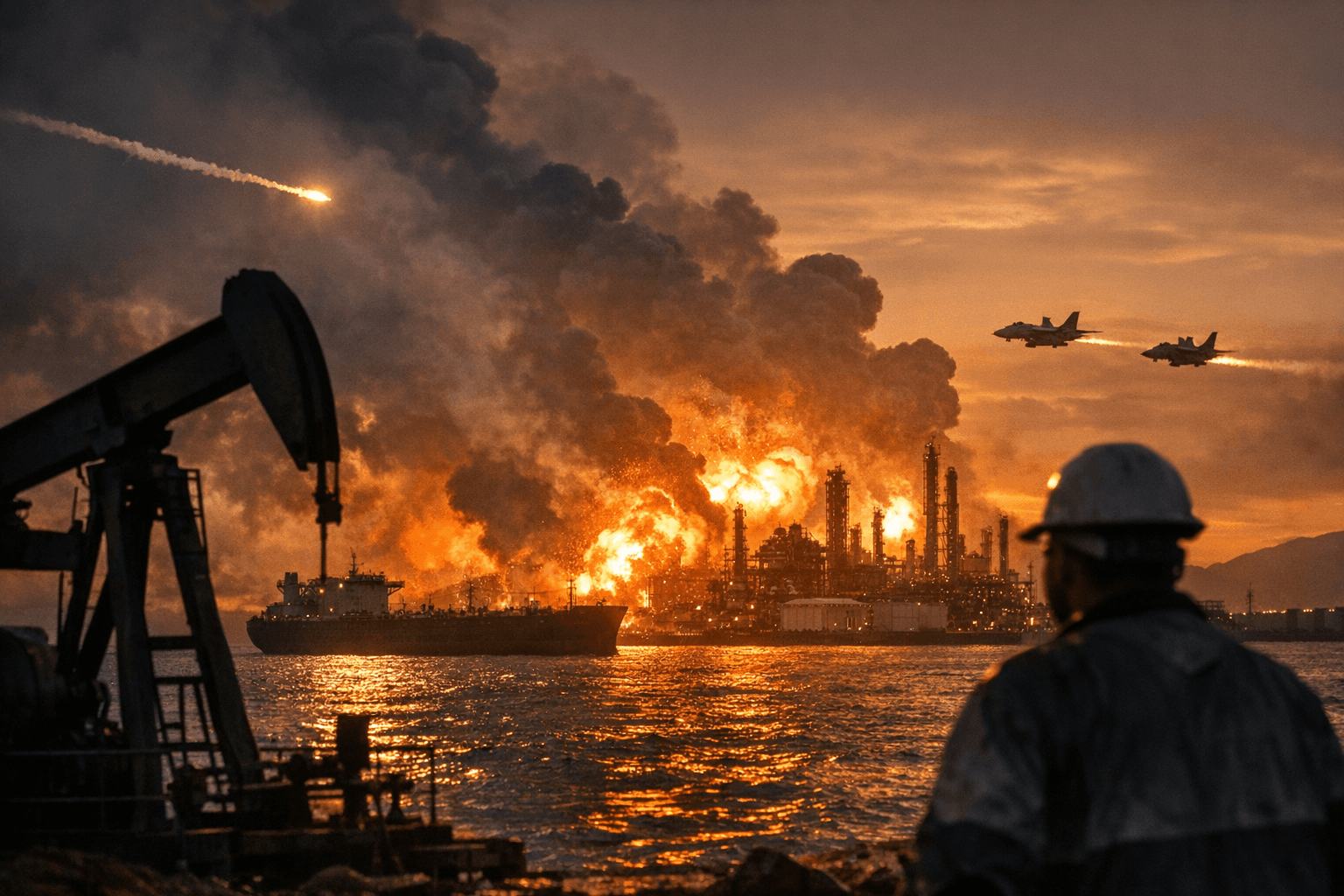
The policy response has been incremental against the scale of the disruption. The IEA coordinated a release of 400 million barrels from member nations' strategic reserves, the largest in the organization's history. The U.S. Energy Department separately authorized a loan of 10 million additional barrels from the Strategic Petroleum Reserve. Energy Secretary Chris Wright told CNBC the administration has options on diesel. "We do have some ideas on diesel, that we can bring extra diesel to the marketplace," Wright said. "I think we'll see that happen before too long." Analysts note the problem with that math: 400 million barrels represents less than five days of the disrupted export volume that previously flowed through the Strait, buying time without solving the underlying blockade.
The scenario bands are widening sharply. Analysts at Macquarie and Goldman Sachs have warned that if the diplomatic stalemate persists through April, Brent crude could breach $130 a barrel, approaching the all-time high of $147.50 set in 2008. A partial reopening allowing limited tanker traffic would likely stabilize prices near current levels. A sustained full closure into summer would push toward the kind of stagflation the European Central Bank has already flagged as a serious risk, with energy-dependent economies including Germany and Italy potentially entering technical recession by year's end. Trump's self-imposed deadline expires Tuesday, leaving oil markets, allied governments, and whatever diplomatic channels remain open less than 48 hours to determine which of those paths the world takes.
This article was produced by Prism’s automated news system from verified source data, official records, and press releases, then run through automated quality and moderation checks before publishing. The system is built and supervised by the people who set the standards it runs under. Read our full AI policy.
Did this article answer your question?

