Iran deal delays nuclear talks, unlocks oil exports and sanctions relief
Iran won immediate oil-export relief and a reopened Strait of Hormuz, while the toughest nuclear concessions were pushed into 60 days of talks.
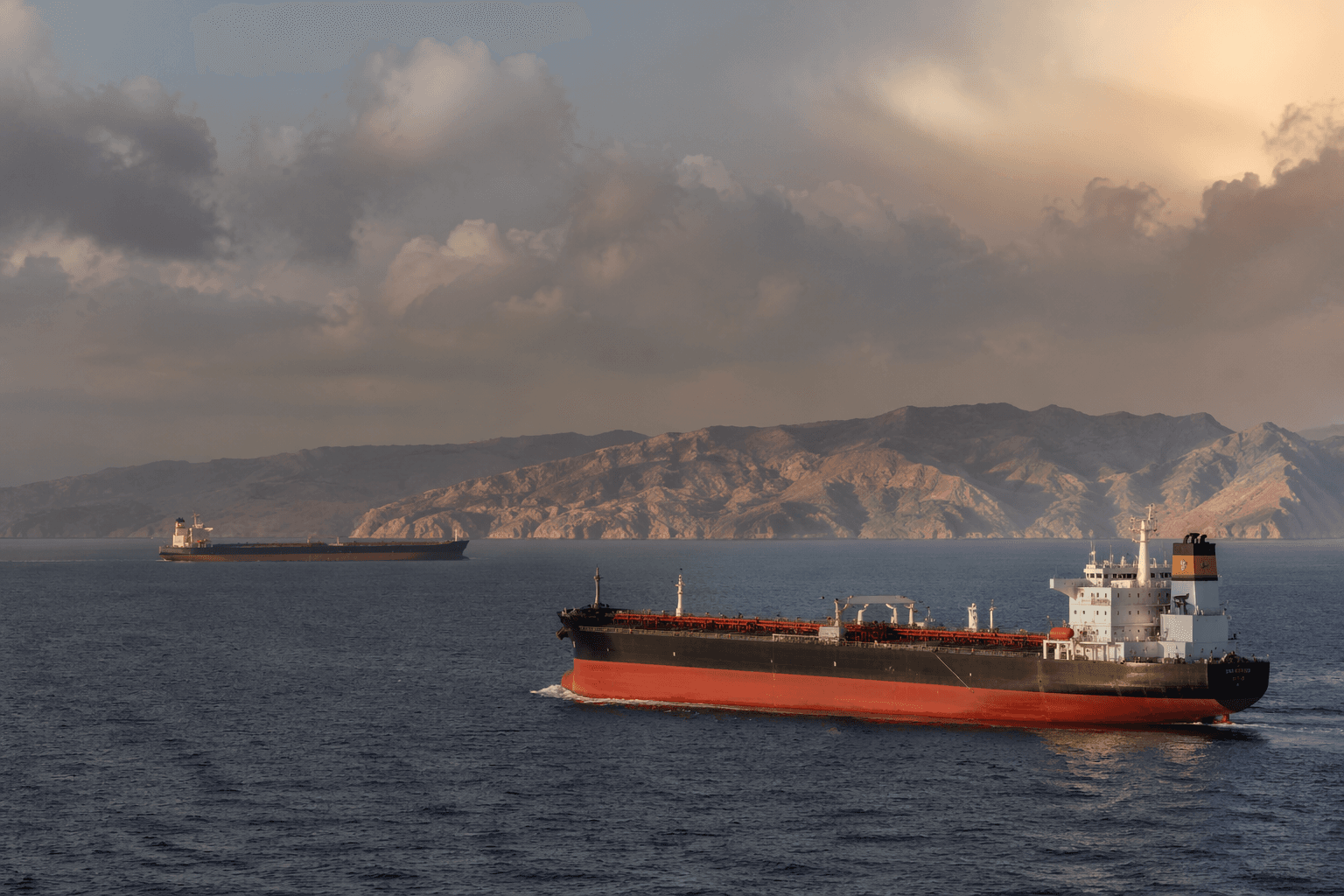
Iran secured immediate economic relief and pushed the hardest nuclear questions into later negotiations, a structure that gives Tehran cash-flow breathing room now while postponing the accountability test. The agreement is only a preliminary framework, or memorandum of understanding, not a final settlement, and the most consequential obligations, including Iran’s nuclear program, were deferred to a 60-day round of follow-on talks.
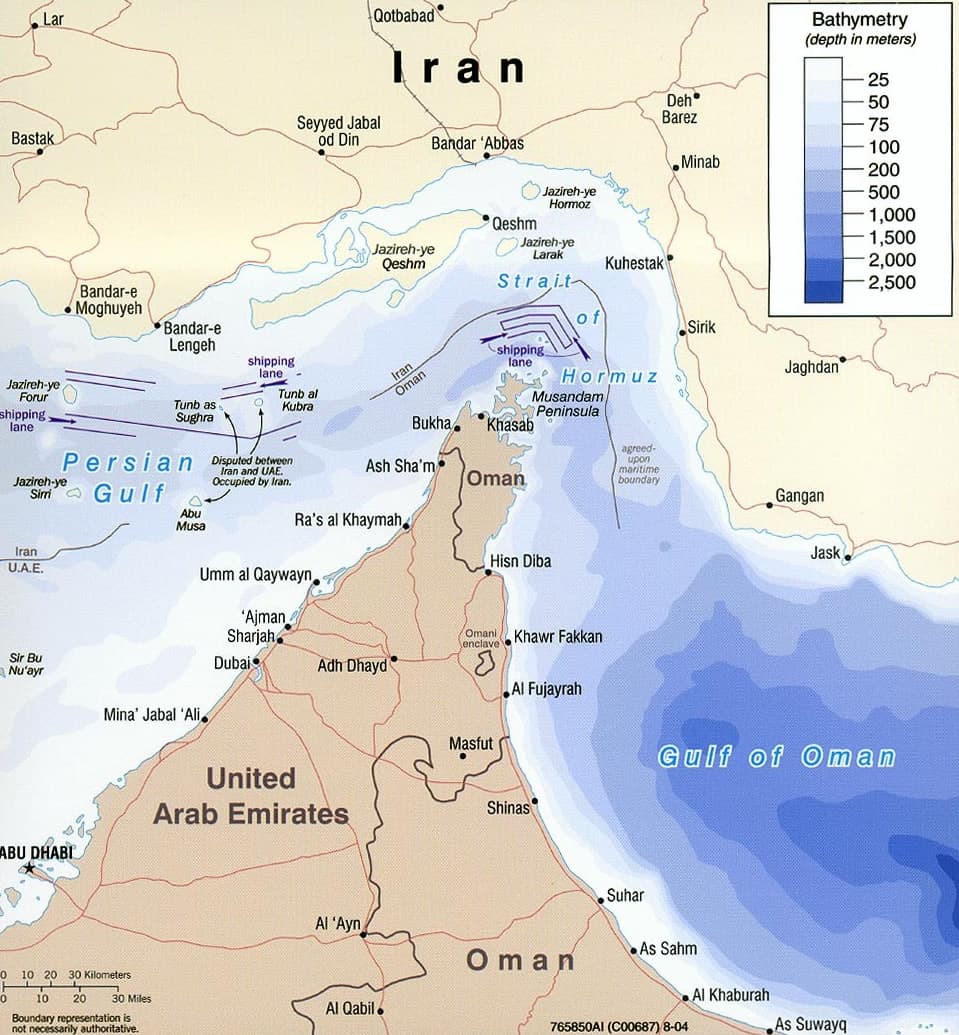
Under the draft terms, Iran would be allowed to resume oil exports immediately and could gain access to a reported $300 billion economic development package if a permanent deal is reached. That makes the arrangement a major sanctions-relief windfall for Tehran, even as it leaves the core dispute unresolved. The immediate payoff is paired with a geopolitical one: the reopening of the Strait of Hormuz, the chokepoint through which about 20% of the world’s oil and liquefied natural gas normally passes.
The deal comes after more than three months of war and stop-start negotiations that jolted global energy markets. The conflict began in late February 2026 after U.S. and Israeli strikes on Iran, and the fighting effectively closed the Strait of Hormuz, according to the United Nations. That closure turned the waterway into a global alarm bell, intensifying pressure on Gulf shipping and pushing energy prices higher until the tentative accord changed the mood in markets.
Oil fell sharply after the announcement, with Brent crude and West Texas Intermediate both dropping as traders priced in the possibility of restored supply. Wall Street also rallied on hopes that easing energy costs would soften inflation pressures. The reaction underscored how much immediate leverage Tehran still holds when the strait is shut and its exports are constrained, and how quickly financial markets respond when that pressure starts to lift.
The political framing is equally revealing. The initial push was for a limited interim deal designed to ease mounting economic strain inside Iran while avoiding major concessions on the nuclear question, a familiar strategy of absorbing pressure without making irreversible compromises. That same logic appears to be carrying the latest agreement: immediate relief first, hard decisions later.
Antonio Guterres welcomed the move as a critical step toward ending the conflict and urged a durable, comprehensive peace. European governments, including the U.K., France, Germany, Italy and Japan, also welcomed the deal and signaled they could move toward lifting sanctions if Iran takes concrete steps to curb its nuclear activities. For now, the arrangement has bought time. Whether it preserved leverage, or simply delayed the reckoning while easing pressure on Tehran, will be decided in the next 60 days.
This article was produced by Prism’s automated news system from verified source data, official records, and press releases, then run through automated quality and moderation checks before publishing. The system is built and supervised by the people who set the standards it runs under. Read our full AI policy.
Know something we missed? Have a correction or additional information?
Submit a Tip