U.S.-Iran deal lets oil exports resume, eases blockade and sanctions
Iran could restart oil exports at once while the U.S. begins lifting its blockade and sanctions. The deal gives both sides 60 days to seek a final accord.
Iran was set to restart oil and petroleum exports immediately under a 14-point memorandum of understanding with the United States, while Washington began easing a naval blockade and sanctions tied to crude sales. The interim framework is designed to halt the war, open the Strait of Hormuz and give both sides up to 60 days to negotiate a final agreement.
The document puts real money on the table at once. The U.S. will issue waivers for Iranian crude oil, petroleum products, derivatives and related services, including banking, insurance and transportation, creating an immediate pathway for Tehran’s exports to resume once the agreement is signed. In return, Iran is supposed to arrange safe, toll-free passage for commercial vessels for 60 days between the Persian Gulf and the Sea of Oman, a critical route for global energy shipments. The U.S. will begin removing its naval blockade immediately and says it will fully end it within 30 days.
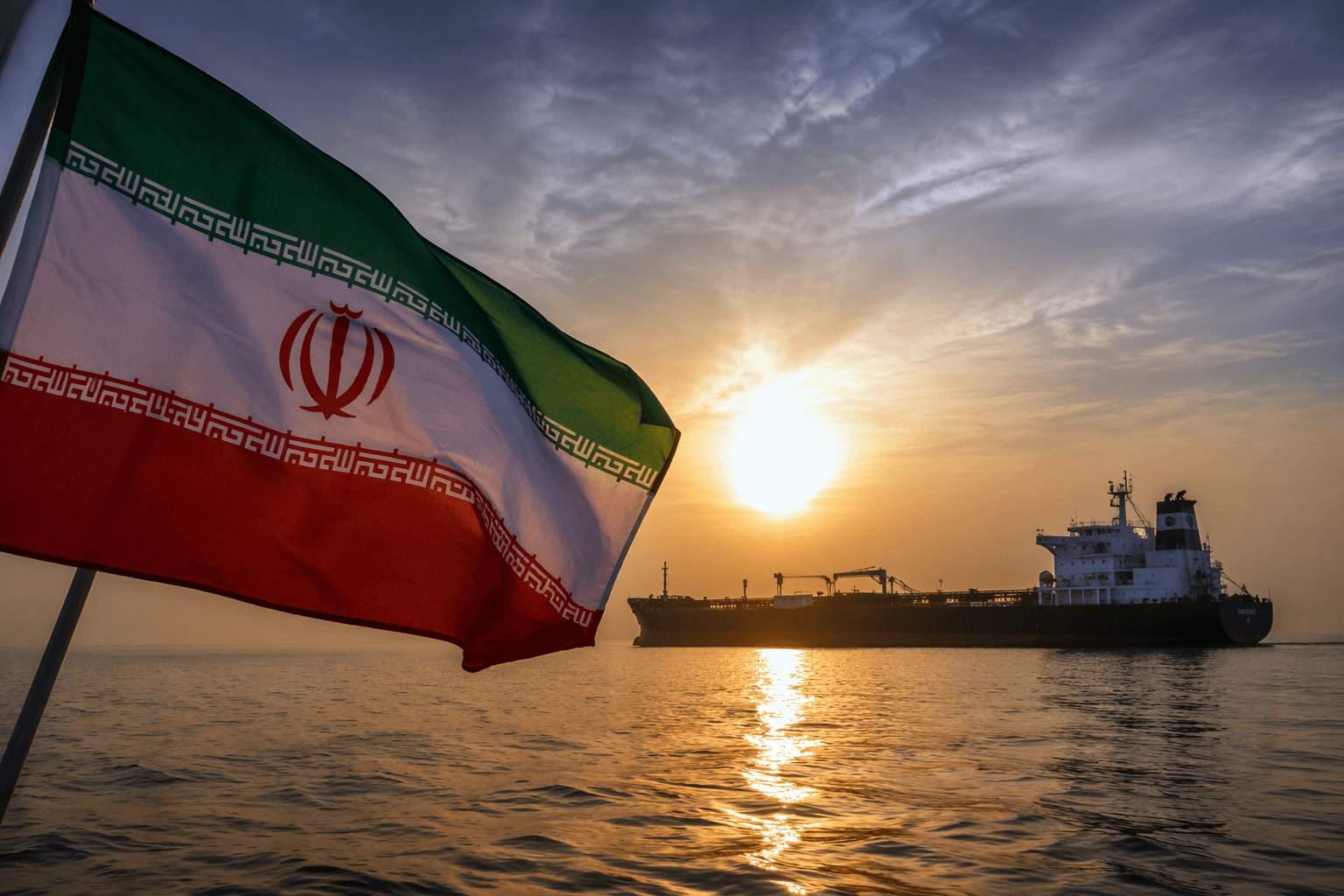
The hardest issues were left for later. The agreement defers decisions on Iran’s nuclear program to the next round of talks, underscoring that the deal is an interim political and military pause rather than a final settlement. Officials said the full text was expected to be signed Friday in Switzerland, but the central bargain was already clear: immediate sanctions relief and maritime access in exchange for a temporary halt in hostilities.
The package also reaches beyond the Gulf. It says military operations are to end on all fronts, including in Lebanon, showing how far the agreement extends into regional conflict management. That breadth helps explain why critics quickly described it as a return to the pre-war status quo, with the most difficult negotiations still ahead.
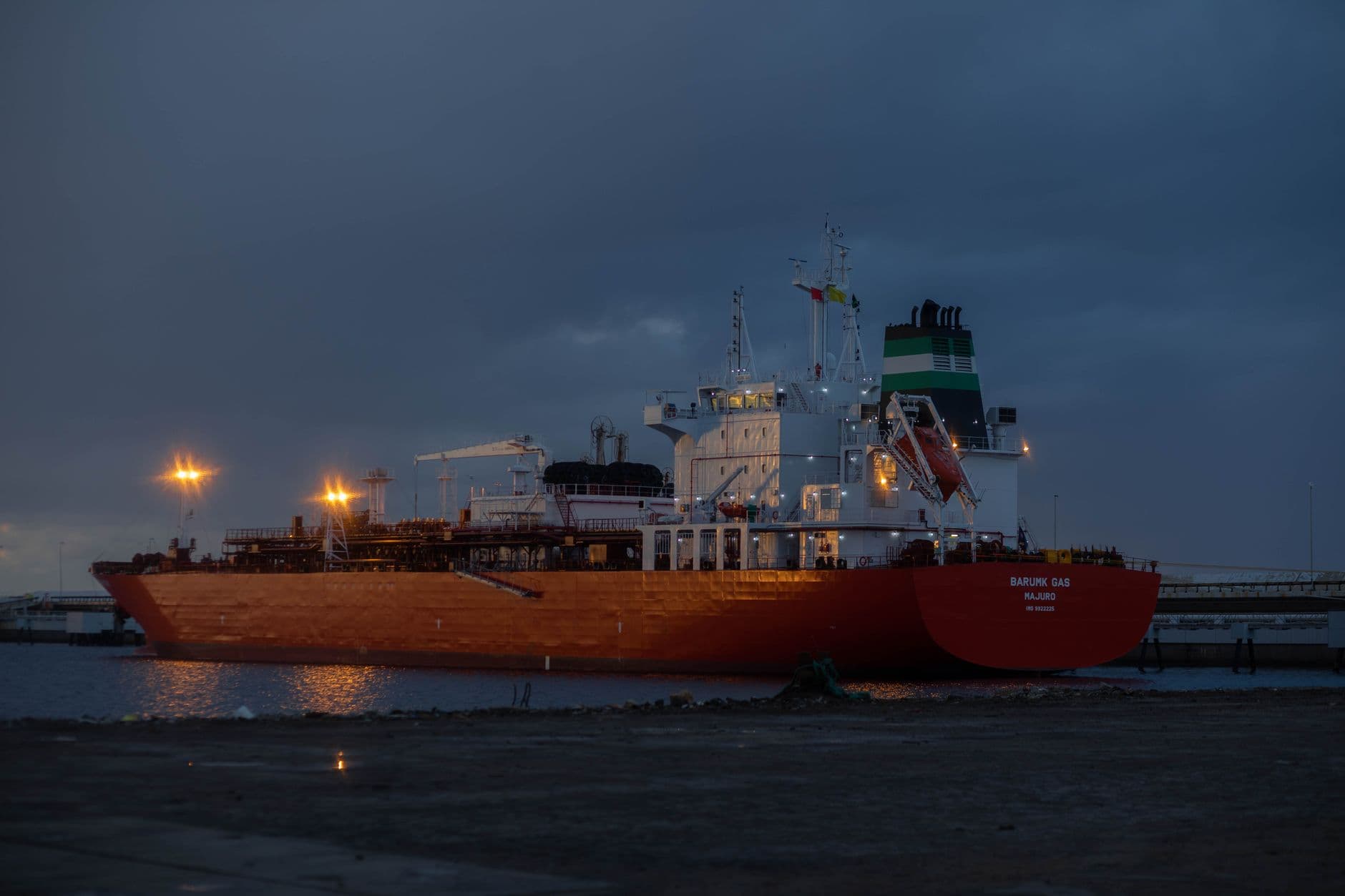
Markets registered the stakes immediately. Oil prices fell more than $1 a barrel after the agreement became public, a reminder of how closely traders watch the Strait of Hormuz and Iranian flows. For now, the deal offers Tehran a near-term economic lifeline and gives U.S. officials a chance to test whether a narrow opening on oil, shipping and sanctions can hold long enough to produce a final accord.
This article was produced by Prism’s automated news system from verified source data, official records, and press releases, then run through automated quality and moderation checks before publishing. The system is built and supervised by the people who set the standards it runs under. Read our full AI policy.
Know something we missed? Have a correction or additional information?
Submit a Tip