US-Iran deal sidelines Israel and leaves key issues unresolved
Israel was sidelined as Trump moved to reopen the Strait of Hormuz and start 60 days of Iran talks. Analysts say the deal leaves Netanyahu with unmet war aims and fewer options.
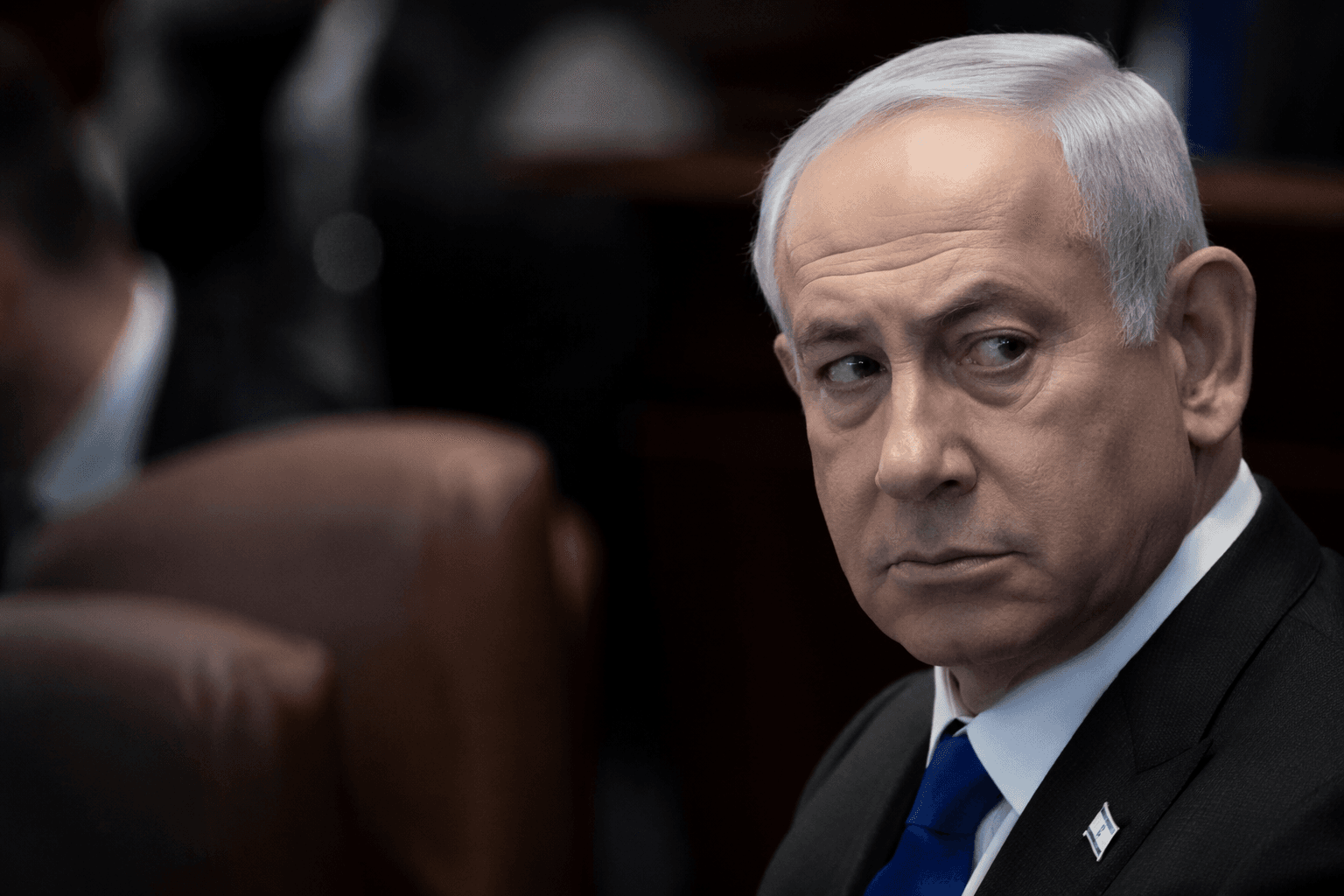
A U.S.-Iran memorandum of understanding is redrawing the endgame of the war without Israel at the table. The deal was meant to reopen the Strait of Hormuz, halt the U.S. naval blockade of Iran and launch 60 days of talks on Tehran’s nuclear program, with a formal signing planned for Friday in Geneva.
For Benjamin Netanyahu, the shock is not only diplomatic exclusion but the possibility that Washington is now moving ahead on terms that leave Israel’s core war aims unresolved. Trump, J.D. Vance and Mohammad Bagher Ghalibaf were reported to have signed the agreement virtually on Sunday, and Trump said he would authorize the immediate removal of the blockade and let ships in the strait “start your engines.”
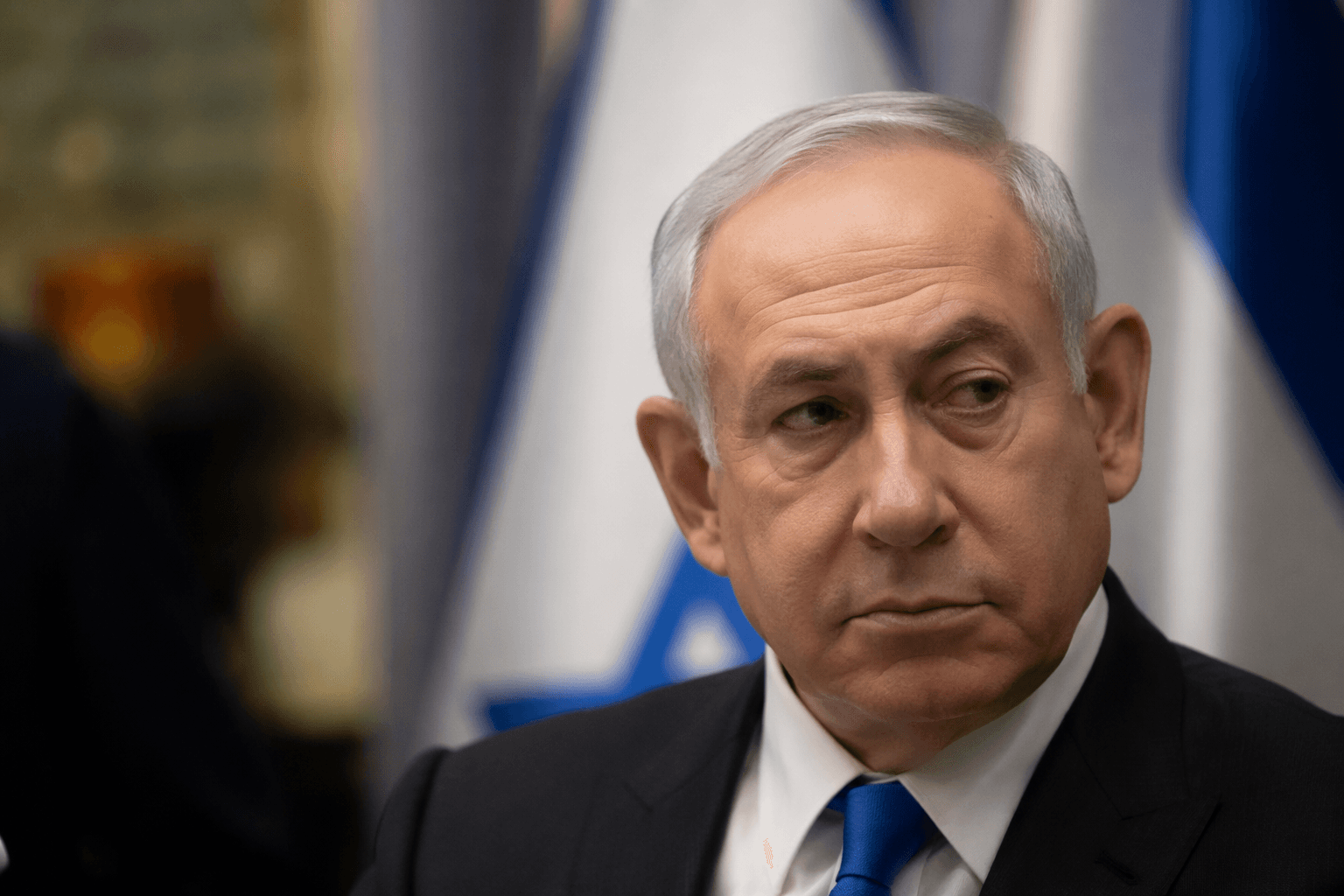
Netanyahu tried to project calm on June 15, but he admitted he had not yet seen the details of the deal and said Israel had been sidelined from the negotiations. He also said he and Trump do not always “see eye to eye,” while insisting that the six-week U.S.-Israeli offensive against Iran had prevented Israel’s “annihilation” by a nuclear Iran.
That defense did little to blunt the political damage. Analysts in Israel said the agreement accomplished none of Israel’s war aims and left the country worse off on security and diplomacy. The memorandum defers the most contentious issues, including Iran’s nuclear program and broader regional security arrangements, while leaving open questions about ballistic missiles and whether Tehran could revive a civilian nuclear program.
The Lebanon dimension has only deepened the alarm. Iran’s deputy foreign minister, Kazem Gharibabadi, said the agreement covered the “immediate and permanent end of the war and all military operations on various fronts, including Lebanon.” The Associated Press reported that Iran’s top diplomat said the tentative deal would require Israel to withdraw from Lebanon, a demand Israel has already rejected. Trump had recently expressed anger over Israeli strikes there, warning they could torpedo the agreement.
The broader war had already killed more than 7,000 people, mostly in Iran and Lebanon, and the announcement was followed by falling oil and crop prices. One report said Iran would receive $12 billion under the deal. For Netanyahu, who had hoped to claim victory over Hamas, Hezbollah and Tehran, the agreement raises a harder question: whether Israel now accepts restraint, acts alone, or breaks more openly with Washington over the war’s unfinished business.
This article was produced by Prism’s automated news system from verified source data, official records, and press releases, then run through automated quality and moderation checks before publishing. The system is built and supervised by the people who set the standards it runs under. Read our full AI policy.
Know something we missed? Have a correction or additional information?
Submit a Tip