Iran denies U.S. destroyers entered Strait of Hormuz amid cease-fire talks
Iran denied U.S. claims that two guided-missile destroyers transited the Strait of Hormuz on April 11, 2026 as high-stakes cease-fire talks unfolded in Islamabad.
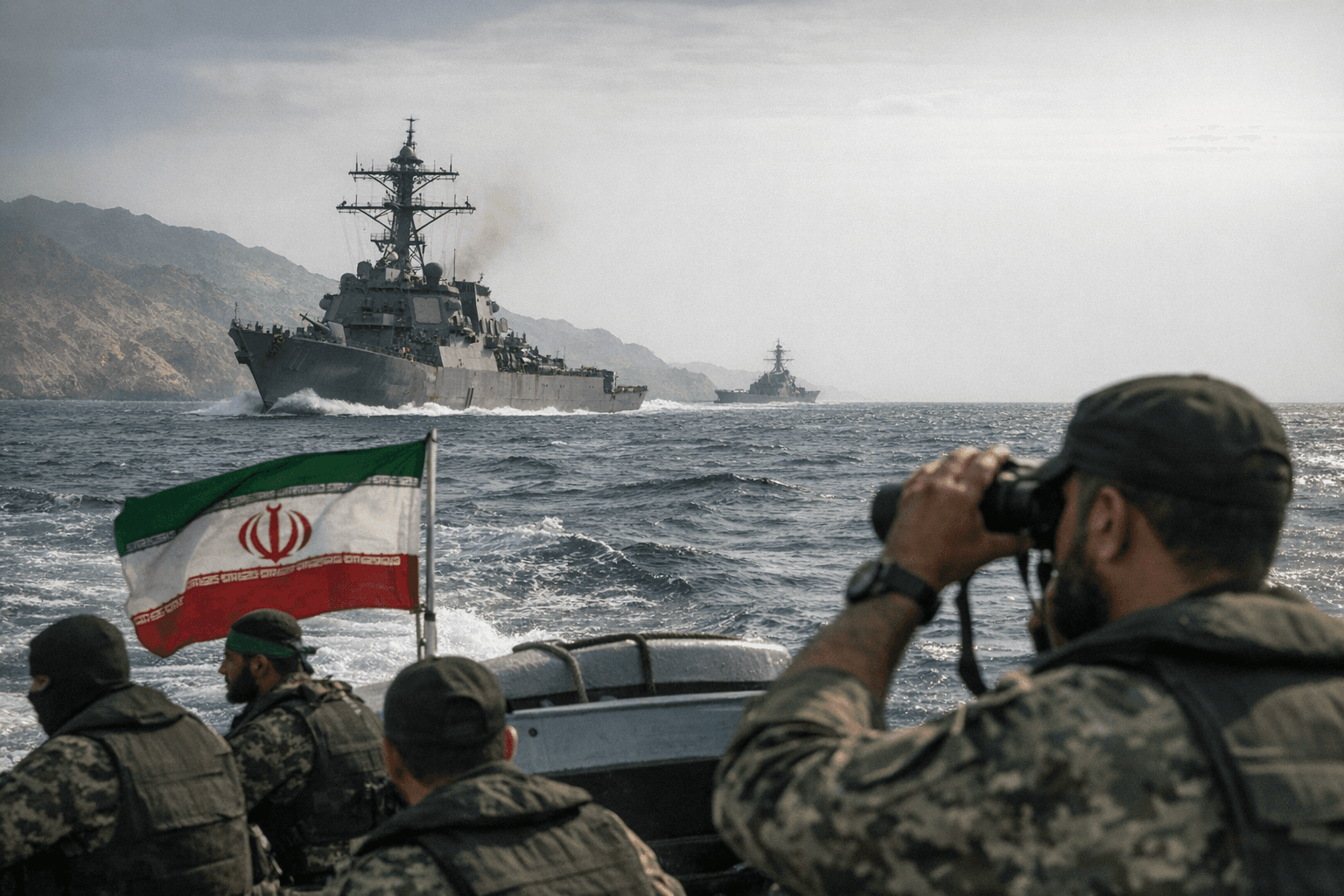
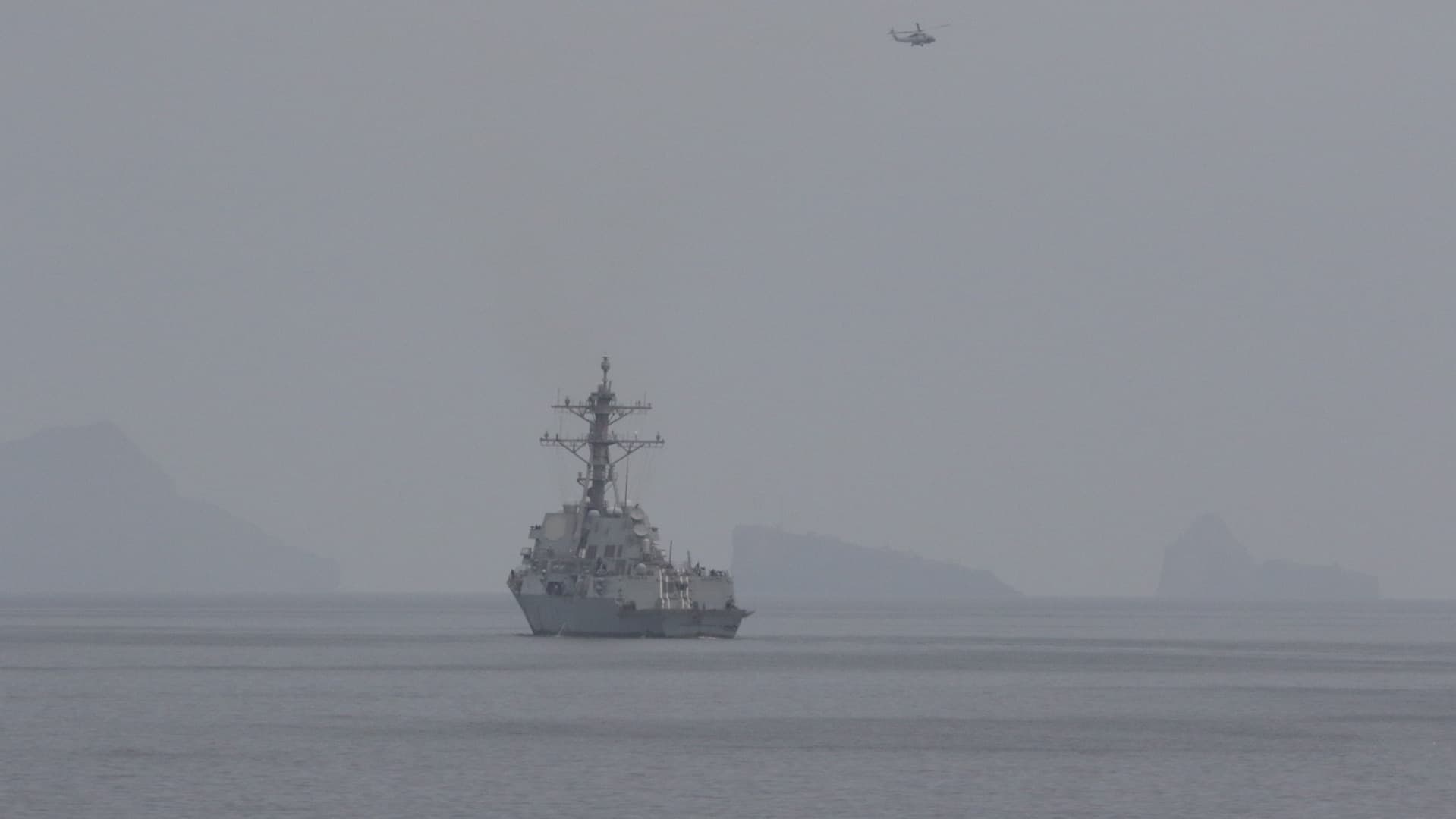
Iran’s Khatam al-Anbiya Central Headquarters rejected U.S. assertions that American warships entered the Strait of Hormuz, while U.S. Central Command said two guided-missile destroyers, USS Frank E. Petersen Jr. (DDG-121) and USS Michael Murphy (DDG-112), transited the strait on April 11, 2026 as part of preparations to clear sea mines.
CENTCOM framed the operation as the start of an effort to “set conditions” for clearing mines and to establish a “new passage” that would be shared with commercial shipping, a move the command said was intended to restore the free flow of commerce after disruptions that followed the Feb. 28, 2026 start of the U.S.-Israel offensive. CENTCOM officials, including Adm. Brad Cooper, said the transits were the first U.S. warship movements through the strait since that offensive.
Iran’s military line was categorical: statements carried by Khatam al-Anbiya and the Islamic Revolutionary Guard Corps asserted that initiation of vessel passage through the strait is controlled by Iran’s armed forces, and the IRGC warned of a “strong response” to military ships passing through. Iranian accounts included claims that a U.S. vessel turned back, an assertion U.S. officials denied while maritime tracking data showed at least USS Michael Murphy transiting the waterway. President Donald Trump said the United States had begun “clearing out” the strait, tying the operation directly to global commerce.
The mine-countermeasures context is concrete. NAVSEA and Pentagon briefings have emphasized a shift toward unmanned and helicopter-borne mine-fighting tools in the region, including Littoral Combat Ships with mine-countermeasures mission packages that employ unmanned surface vehicles and MH-60S helicopters to detect and neutralize mines. U.S. officials said the mission’s purpose includes ensuring the strait is fully clear of sea mines, a phrasing used in public statements about the operation.
The Strait of Hormuz, the chokepoint between Iran and Oman, funnels a major share of global oil and gas shipments and commodities such as fertilizer. Shipping signals in the fragile cease-fire period have been mixed: some large tankers began moving again through Hormuz, suggesting partial resumption even as ambiguity persisted over safe lanes. Perception of mine risk translates quickly into economic reality: insurers raise war-risk and hull premiums when mines are reported, shipowners may reroute vessels around the Cape of Good Hope to avoid the strait, adding weeks and significant fuel and operating costs, and those added costs and delayed cargoes feed through to wholesale fuel markets and retail gasoline prices.
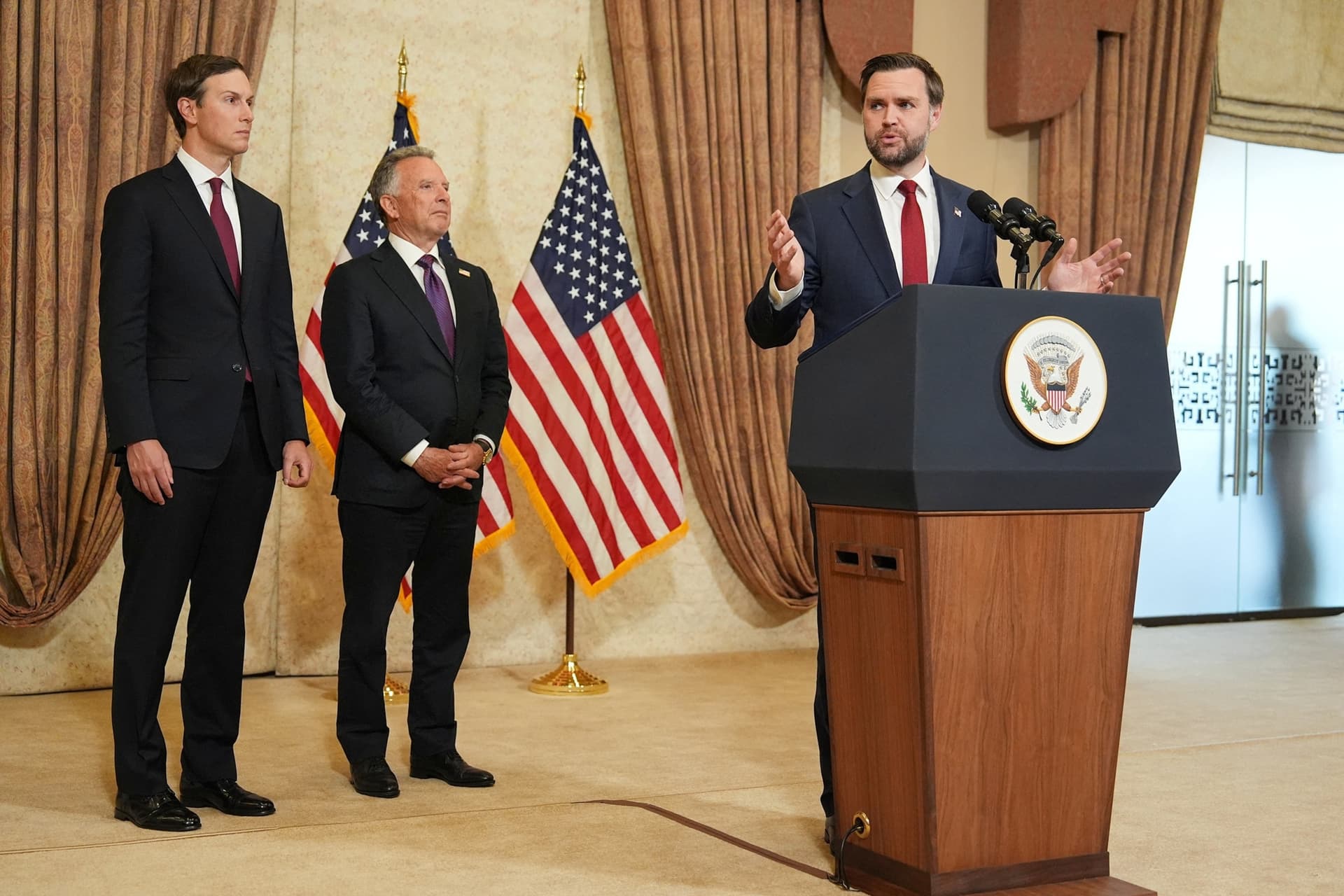
High-level negotiations in Islamabad remain unresolved. A U.S. delegation led by Vice President JD Vance and an Iranian team led by Parliament Speaker Mohammad Bagher Ghalibaf conducted marathon talks that exceeded 20 hours without securing an extension of the cease-fire, leaving the agreement’s fate uncertain. As diplomats negotiate, the competing claims over whether U.S. destroyers actually transited Hormuz add another layer of operational and economic risk for maritime traffic, insurers, and global energy markets.
Know something we missed? Have a correction or additional information?
Submit a Tip