Iran detains senior reformists as crackdown expands, silencing moderates
Iranian security forces arrested several prominent reformist figures amid a widening crackdown after nationwide protests, raising political and economic uncertainty.
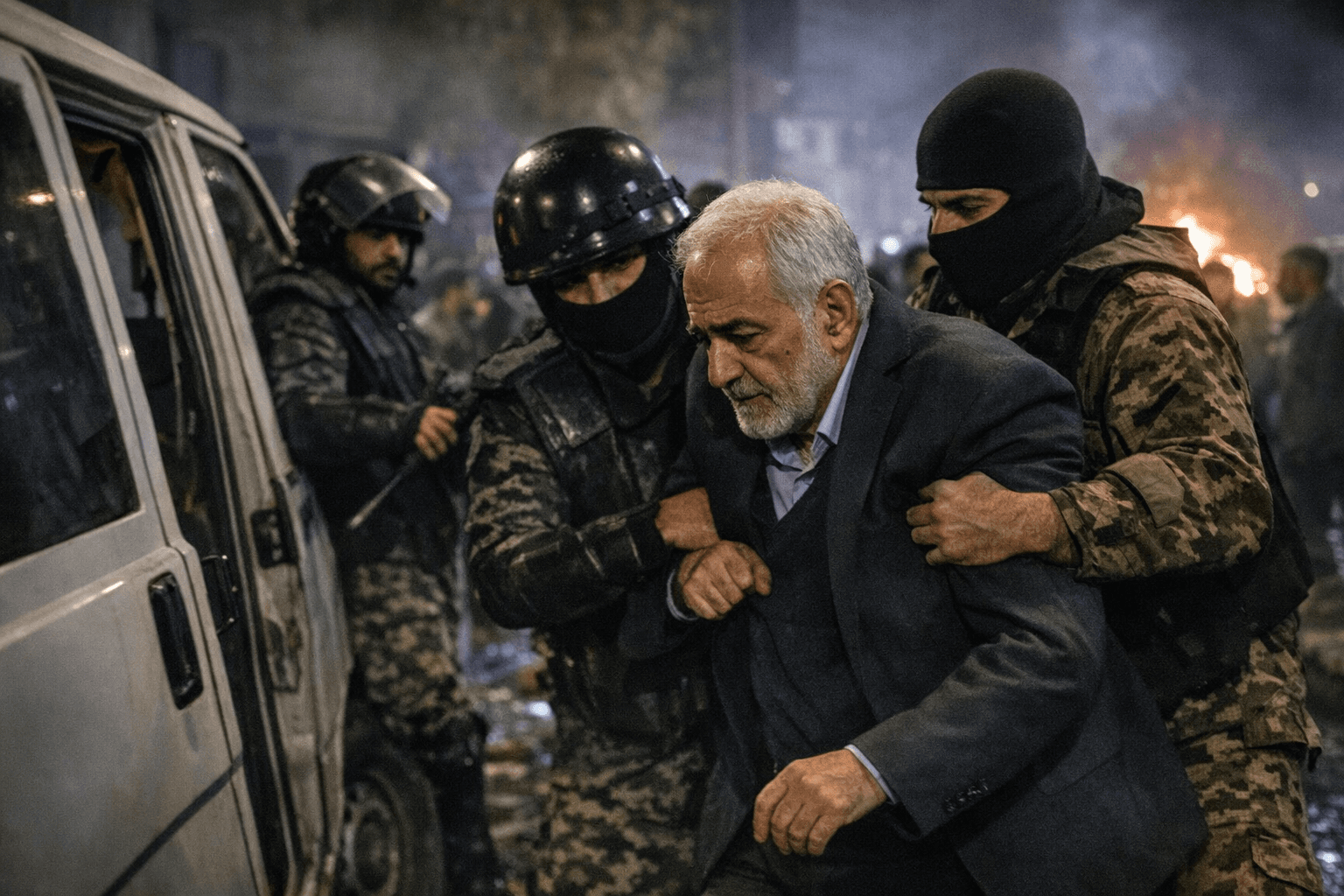
Iranian security forces detained several prominent figures tied to the country’s reformist movement in early February, in a fresh wave of repression that officials say aims to stifle dissent amid ongoing unrest and tense diplomacy.
State-run IRNA, quoting Tehran prosecutors, said four people were arrested and others summoned, accusing the detainees of “organizing and leading… activities aimed at disrupting the political and social situation” amid what prosecutors described as “military threats from the United States and the Zionist regime.” Reformist movement officials and other sources, however, say the number of detentions is higher and list at least five prominent figures among those taken into custody.
Those reported detained include Azar Mansouri, head of the Reformist Front and a former adviser to President Mohammad Khatami; Javad Emam, a spokesman for the main reformist coalition; Ebrahim Asgharzadeh, a former member of parliament and veteran political figure; and Mohsen Aminzadeh, a former foreign affairs official who served under Khatami. State and reformist sources also identified Hossein Karroubi, son of long-imprisoned reformist Mehdi Karroubi, as among the names being reported in some accounts.
Shargh and Fars, citing witnesses and local reporting, said agents of the Islamic Revolutionary Guard Corps went to Javad Emam’s home in the early hours of Feb. 8 and arrested him. Azar Mansouri, who had publicly voiced support for demonstrators after large protests began in December 2025, warned in a recent statement that “we will not allow the blood of these dear ones to be consigned to oblivion or the truth to be lost in the dust.”
The arrests follow a January declaration by reformist figures that called on Supreme Leader Ayatollah Ali Khamenei to resign and urged a transitional council to oversee governance. Tehran prosecutors framed the detentions as responses to an alleged campaign that threatened “national unity,” accusing those arrested of acting in league with foreign adversaries.
The move is unfolding against a backdrop of extraordinary violence. Iranian human rights groups say they have confirmed the killing of more than 6,000 protesters since the unrest began, and other monitoring groups have documented thousands more detained. Nobel laureate Narges Mohammadi was also reported to have been handed an additional seven-year sentence in recent days, underscoring the broader judicial crackdown.
The detentions carry immediate political and economic implications. Hardline pressure on reformist leaders could tighten the domestic political aperture and complicate nascent diplomatic contacts. Tasnim, a semi-official agency, said senior Iranian interlocutors are continuing shuttle diplomacy in the region, with one reported envoy due to travel to Oman to engage mediators. At the same time, U.S. officials, including President Donald Trump, have publicly warned of possible military action if negotiations fail to yield a settlement, heightening security risks.
For markets, sustained repression increases the risk premium attached to Iran-related assets and the regional oil supply outlook. Renewed instability and the potential for escalatory miscalculation could push buyers to seek alternatives and prompt volatility in energy markets, while long-term investor confidence in Iran’s economy would be further eroded if moderate political forces are sidelined.
Many questions remain unresolved: prosecutors have not published full charge sheets or custody locations, and the precise tally of those arrested varies across accounts. The detentions signal a pivotal moment in the cycle of protest and repression that has marked Iran’s politics over the past two decades, and they may shape both the country’s domestic trajectory and its relations with the West in the months ahead.
This article was produced by Prism’s automated news system from verified source data, official records, and press releases, then run through automated quality and moderation checks before publishing. The system is built and supervised by the people who set the standards it runs under. Read our full AI policy.
Did this article answer your question?


