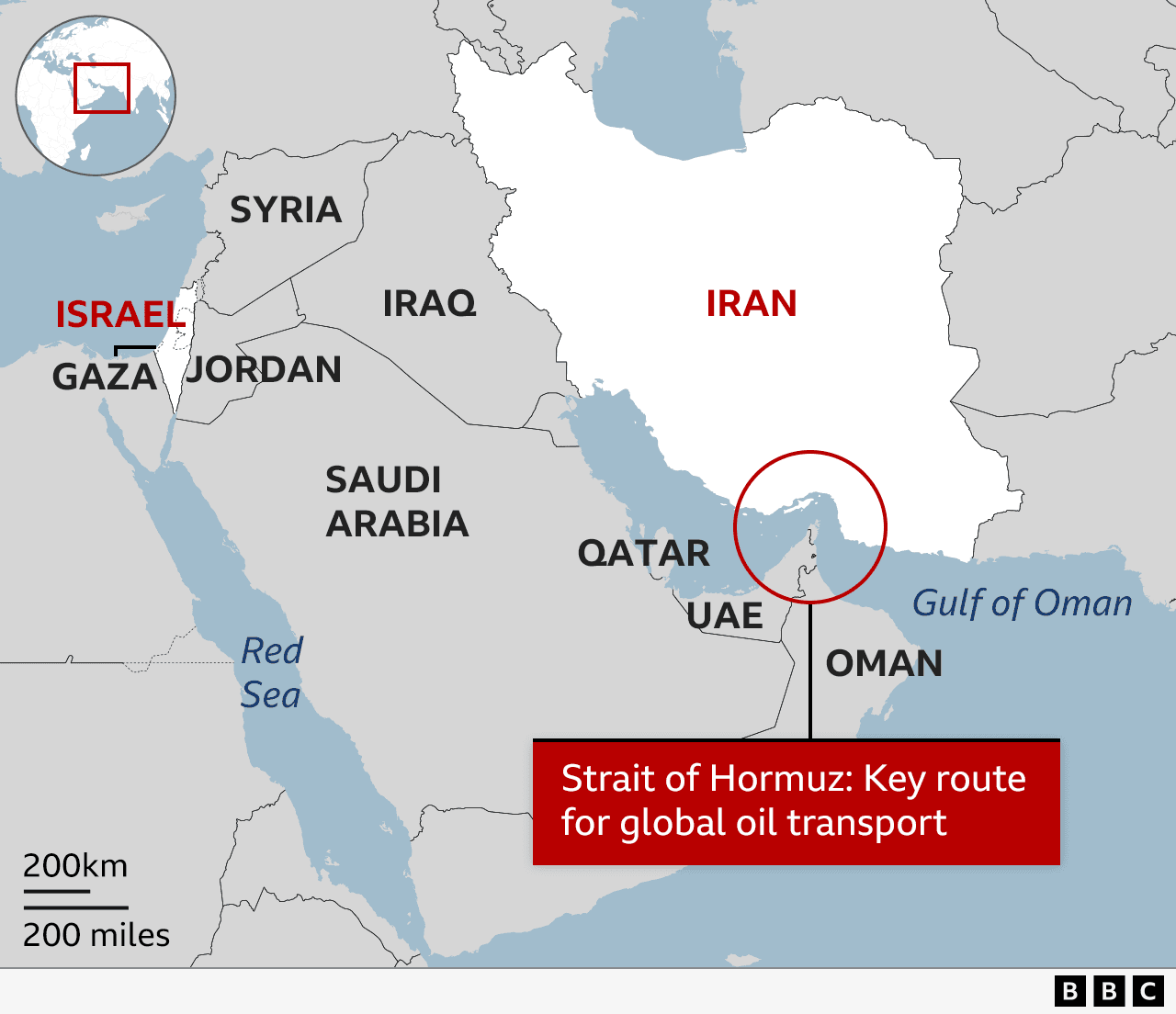
Iran Fires Missile Barrage at Israel as Trump Touts Progress in Talks
Iran fired waves of missiles at Tel Aviv and across Israel on Tuesday, hours after Trump claimed "very good and productive" talks with Tehran — which Iran flatly denied.

A missile carrying a 100-kilogram warhead struck between buildings in Tel Aviv on Tuesday, causing severe damage to buildings and property, as Iran resumed its attacks after an 11-hour pause — firing on the same day President Trump publicly touted diplomatic progress that Tehran called a fabrication.
After 11 hours without a missile barrage on Monday, overnight Iranian barrages were fired across Israel almost every hour, alongside rocket launches from Lebanon. Since Monday night, eight missile barrages were fired from Iran, along with two rocket attacks from Lebanon. Israeli health officials said Iranian missiles struck four sites across Israel, including central Tel Aviv, injuring at least six people.
The barrages extended far beyond Israel's borders. Earlier in the conflict, several senior Iranian officials, including Ali Larijani and Basij chief Gholamreza Soleimani, had been killed in Israeli airstrikes, and Iran launched a missile barrage in response. Now, according to the Kurdistan Regional Government, a missile launched from Iran with a cluster warhead hit a building in Ramat Gan, killing two residents in their 70s who were found just outside their safe room. A volley of six Iranian ballistic missiles also struck the semiautonomous Kurdish region in Iraq, killing six Kurdish fighters and wounding 30 others, the Kurdistan Regional Government said.
The strikes landed as Trump was loudly signaling a diplomatic opening. Trump said the United States had been negotiating with Iran to end the three-week-old war, declaring that the two sides had held two days of "very good and productive conversations" that would continue throughout the week. Trump said his son-in-law Jared Kushner and U.S. special envoy Steve Witkoff had participated in those talks Sunday evening with "a top person" in Iran. He declined to name the interlocutor, saying he did not want to get him killed.
Iran's response was immediate and categorical. Tehran denied any talks and claimed Trump had backed down from his threat because he feared Iranian retaliation. Iran's parliament speaker, Mohammad Bagher Ghalibaf, who was rumored to be the official Trump was referring to, wrote on X that "no negotiations have been held with the US" and said the U.S. postponement of power plant strikes was meant to "escape the quagmire in which the US and Israel are trapped." The denials were carefully worded, however, and did not refute that messages had been passed back and forth testing the waters for potential talks.
Iran's Revolutionary Guard Corps went further, calling Trump a "deceitful American president" and saying his "contradictory behaviour will not make us lose sight of the battlefront," Al Jazeera reported. Iran's semi-official Fars News Agency, citing what it described as informed Iranian sources, reported that "special plans are arranged tonight for Tel Aviv and some regional allies of the US and Israel, which will completely remove any hope of negotiation from the minds of the aggressors."
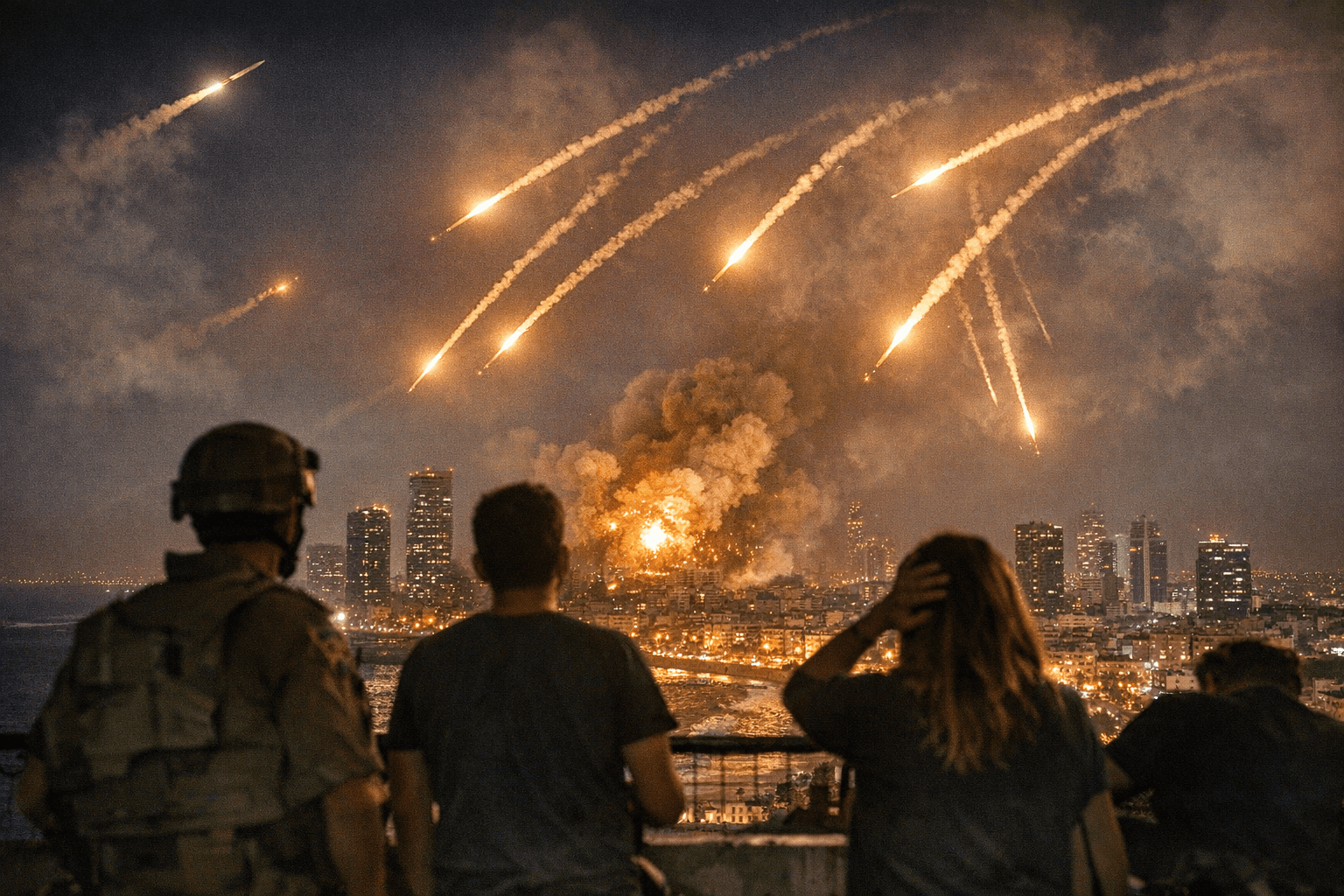
The missile barrages contradicted a central claim from Washington and Jerusalem. An analysis showed there had been a sharp reduction in Iranian missile attacks after the first day of the war, though analysts hypothesized that the reduction could be attributed to Iranian efforts to conserve its arsenal, given joint U.S.-Israeli efforts to eliminate as many as three-quarters of Iranian missile launchers. Danny Citrinowicz, a senior fellow on Iran at Israel's Institute for National Security Studies, said the strike on Dimona — home to Israel's nuclear program — shows Tehran retains "effective command and control" and is pursuing "a pattern of escalation management."
The 2026 Iran war began with a series of attacks by the United States and Israel against Iran on February 28, following the breakdown of U.S.-Iran talks and negotiations. Since then, two IDF soldiers and 19 civilians have been killed, and at least 4,829 more have been injured in ballistic missile attacks across Israel.
The regional spillover continued to widen. IEA head Fatih Birol warned that the global economy faces a "major, major threat" from the war's disruption to oil and gas flows, saying "no country will be immune to the effects of this crisis if it continues to go in this direction." Multiple countries are now actively working to mediate a deal between the U.S. and Iran as the war's impacts reverberate across the world, five sources familiar with the matter told CNN. Pakistan, Turkey, and Egypt have each been shuttling messages between the parties, though none of the sources were aware of any direct negotiations between the U.S. and Iran since the outbreak of the war, despite Trump's claims.
Trump confirmed the U.S. would hold off on attacking Iran's energy infrastructure for the next five days, a pause that Tehran's missile crews appeared entirely unmoved by.
Know something we missed? Have a correction or additional information?
Submit a Tip