State Department Issues Worldwide Caution, Urging Americans Abroad to Stay Vigilant
The State Department warned Americans worldwide to "exercise increased caution" on March 22 as Iran-linked groups targeted U.S. facilities globally and the Strait of Hormuz remained effectively closed.
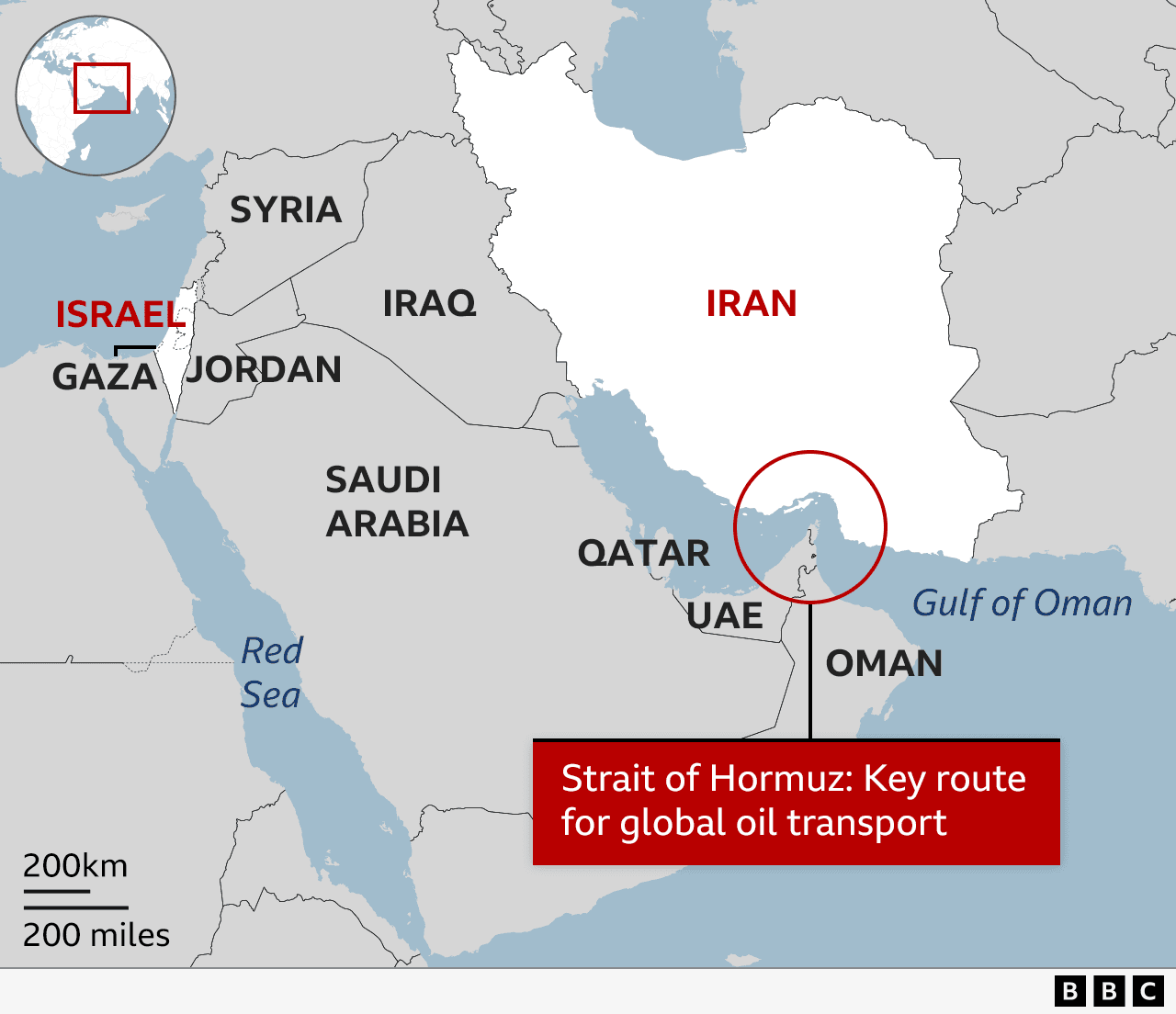
U.S. diplomatic facilities have been targeted. Iranian-aligned groups may strike Americans anywhere on the planet. And the Strait of Hormuz, through which roughly a fifth of the world's oil supply normally flows, has been brought to near-standstill. That was the backdrop when the State Department posted a "Worldwide Caution" security alert on March 22, its most sweeping travel warning, directed at every American overseas.
"The Department of State advises Americans worldwide, and especially in the Middle East, to exercise increased caution," the official alert stated. "U.S. diplomatic facilities, including outside the Middle East, have been targeted," it added, warning that "groups supportive of Iran may target other U.S. interests overseas or locations associated with the United States and/or Americans throughout the world."
The alert was issued following the launch of U.S. combat operations in Iran, with the State Department directing Americans worldwide and especially in the Middle East to follow guidance in the latest security alerts issued by the nearest U.S. embassy or consulate. More than 2,000 people have been killed since the U.S. and Israel launched airstrikes in Iran in late February, triggering a conflict that has widened across the Middle East, according to the Associated Press.
President Donald Trump announced "major combat operations" against Iran on Feb. 28, with massive joint U.S.-Israel strikes targeting military and government sites. Ayatollah Ali Khamenei was among those killed in Tehran on the first day of strikes, and his son Mojtaba Khamenei was chosen to succeed him. Iran responded with missile and drone attacks targeting Israel, regional U.S. bases, and multiple Gulf nations, and has been attempting to block shipping traffic through the Strait of Hormuz.
The crisis centered in recent days on the Strait of Hormuz, a waterway crucial to the global oil supply, with President Donald Trump demanding its reopening after Iran effectively closed it. Brent crude oil prices surpassed $100 per barrel on March 8 for the first time in four years, and the closure has been described as the largest disruption to the energy supply since the 1970s energy crisis. On Monday, Trump postponed his 48-hour ultimatum threatening to destroy Iranian power plants, citing "good and productive" peace talks with Tehran, though Iranian state media denied any talks and claimed Trump had "retreated" from the deadline "out of fear of Iran's response."
The U.S. Embassy in Baghdad issued a March 17 security alert stating Iran-aligned terrorist militias "have encouraged and conducted widespread attacks on U.S. citizens and targets associated with the United States throughout Iraq." A former U.S. base adjacent to Baghdad's airport that still provides logistical support to American operations was attacked at least 65 times since the beginning of the war, according to an Iraqi security report obtained by the Associated Press; the vast majority of those attacks between March 2 and 18 involved drones.

A Level 3 "reconsider travel" advisory is currently in place for several countries in the Middle East, including Saudi Arabia, Oman, the United Arab Emirates, and Kuwait, as the war in Iran approaches the one-month mark.
The State Department also warned that periodic airspace closures may cause travel disruptions. At home, the alert arrived as some U.S. airports reportedly advised travelers to allow two to three hours for security lines, a situation Cleveland Jewish News linked to a funding stalemate at the Department of Homeland Security, though that claim has not been independently confirmed.
For Americans currently abroad, the State Department encouraged travelers to enroll in the Smart Traveler Enrollment Program, known as STEP, which allows U.S. officials to quickly contact them in case of an emergency. Americans can also enroll at step.state.gov to receive the latest security alerts and follow the "U.S. Department of State - Security Updates for U.S. Citizens" channel on WhatsApp or @TravelGov on X.
The U.S. issued a similar alert on Feb. 28 at the beginning of the war, and had previously issued one in June 2025 amid conflict between Israel and Iran. This latest warning signals that, four weeks into active combat, the threat radius has extended well beyond the region.
Know something we missed? Have a correction or additional information?
Submit a Tip