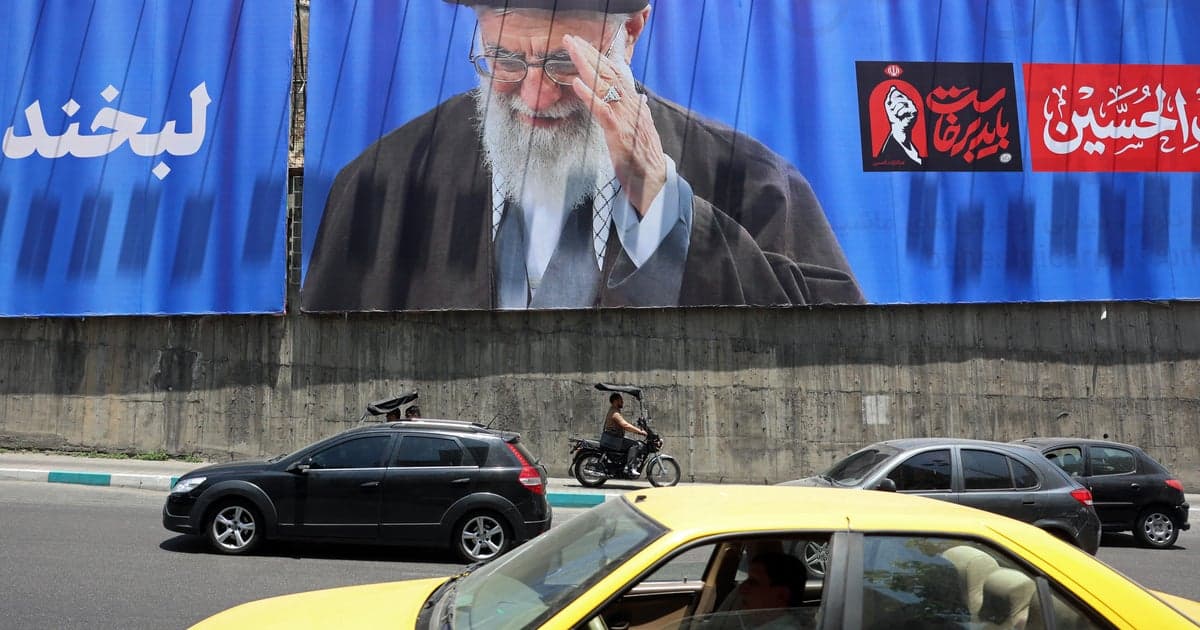
Iran Fires on Tanker as Strait of Hormuz Closes Again
Gunboats fired on a tanker as shipping through Hormuz reversed again, raising the risk of an oil-price shock and broader inflation pressure for the United States.
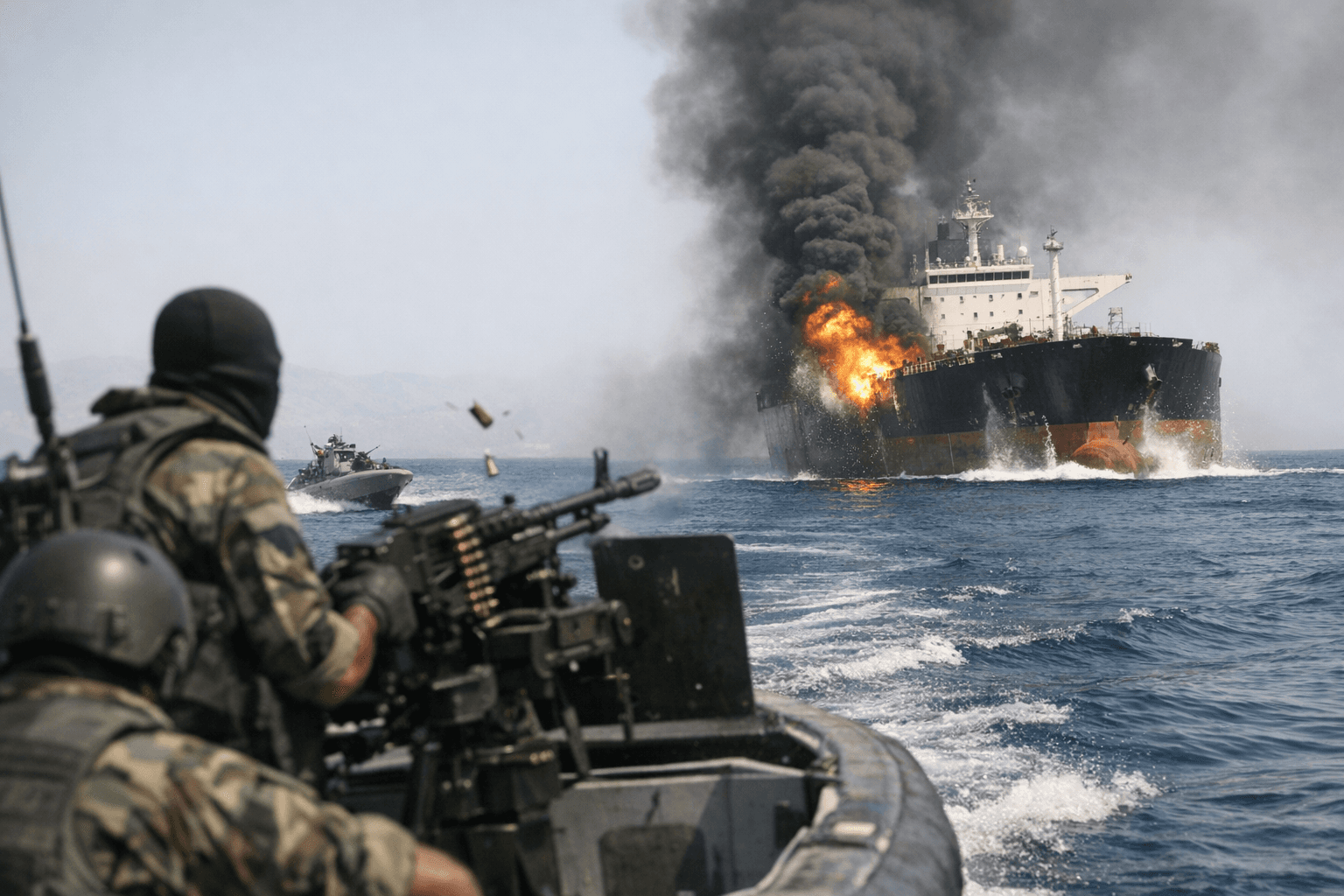
The latest flare-up in the Strait of Hormuz put a direct strain on the world’s most important oil chokepoint, with gunfire on a tanker, a fresh Iranian restriction on passage and a rapid reversal in tanker traffic that could push up crude prices, shipping insurance costs and U.S. inflation almost immediately.
Iran’s military said restrictions on ships passing through the strait were being reimposed, citing what it called repeated breaches of trust by the United States. The United Kingdom Maritime Trade Operations center said two gunboats from Iran’s Revolutionary Guard opened fire on a tanker transiting the waterway. The tanker and crew were reported safe, and the vessel and destination were not identified.
Reuters reported that merchant vessels trying to cross on Saturday received radio messages from Iran’s navy telling them they were not allowed to pass, and that at least two ships said they were hit by gunfire. Some tankers got through before shots were fired, but Bloomberg’s Hormuz Tracker showed the flow briefly surging early Saturday before collapsing after Iran warned shipping that the corridor was closed again. Ship-tracking data showed widespread U-turns in the narrow passage between the Persian Gulf and the Gulf of Oman.
For energy markets, the speed of the reversal matters as much as the violence. Reuters reported that investors had placed about $760 million on a falling oil price shortly before Iran’s foreign minister announced on Friday that the strait was open, a sign that traders were still trying to handicap whether the blockade risk would ease. Earlier, Reuters said two empty crude tankers made last-minute U-turns as U.S.-Iran talks broke down, underscoring how quickly commercial routing is now being rewritten by political risk.
The standoff is unfolding alongside dueling blockades. Reuters and the Associated Press reported that the United States is maintaining a blockade of Iranian ports, while President Donald Trump said the blockade would remain and attacks could resume if no agreement is reached. Iran has tied its own restrictions to that dispute, saying the Strait of Hormuz is under strict military control until the U.S. lifts its blockade.
India’s Ministry of External Affairs also pressed Iran to resume facilitating India-bound ships as soon as possible after the firing, highlighting how quickly the crisis is spreading beyond Washington and Tehran. For oil traders, shippers and insurers, the message from the strait was unmistakable: until the shooting stops and vessels move without escort or warning, the risk premium on every barrel moving through Hormuz is likely to stay elevated.
This article was produced by Prism’s automated news system from verified source data, official records, and press releases, then run through automated quality and moderation checks before publishing. The system is built and supervised by the people who set the standards it runs under. Read our full AI policy.
Did this article answer your question?