Iran halts attacks as Trump pushes immediate Israel ceasefire
Iran said its first wave of attacks on Israel was over as Trump demanded both sides stop "shooting," while oil jumped above $97 and the region braced for wider spillover.
Iran’s military said its first wave of attacks on Israel was over, but it warned the strikes could resume if Israel continued hitting Lebanon, underscoring how fragile the latest pause remained. The exchange was the first direct fighting between Israel and Iran since the U.S.-Iran ceasefire took effect on April 8, and it came after Israeli strikes on Hezbollah targets in Beirut, Iranian missile fire and Israeli retaliation. Donald Trump pushed publicly for a halt, saying Israel and Iran must immediately stop "shooting," then told the Financial Times that he calls "all the shots" and that Benjamin Netanyahu would have to accept any deal Washington struck with Tehran.
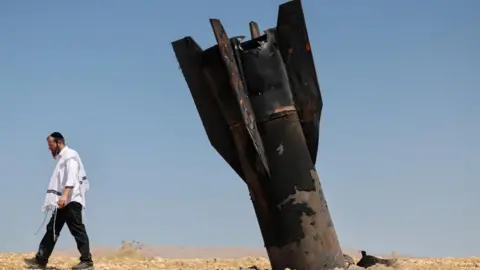
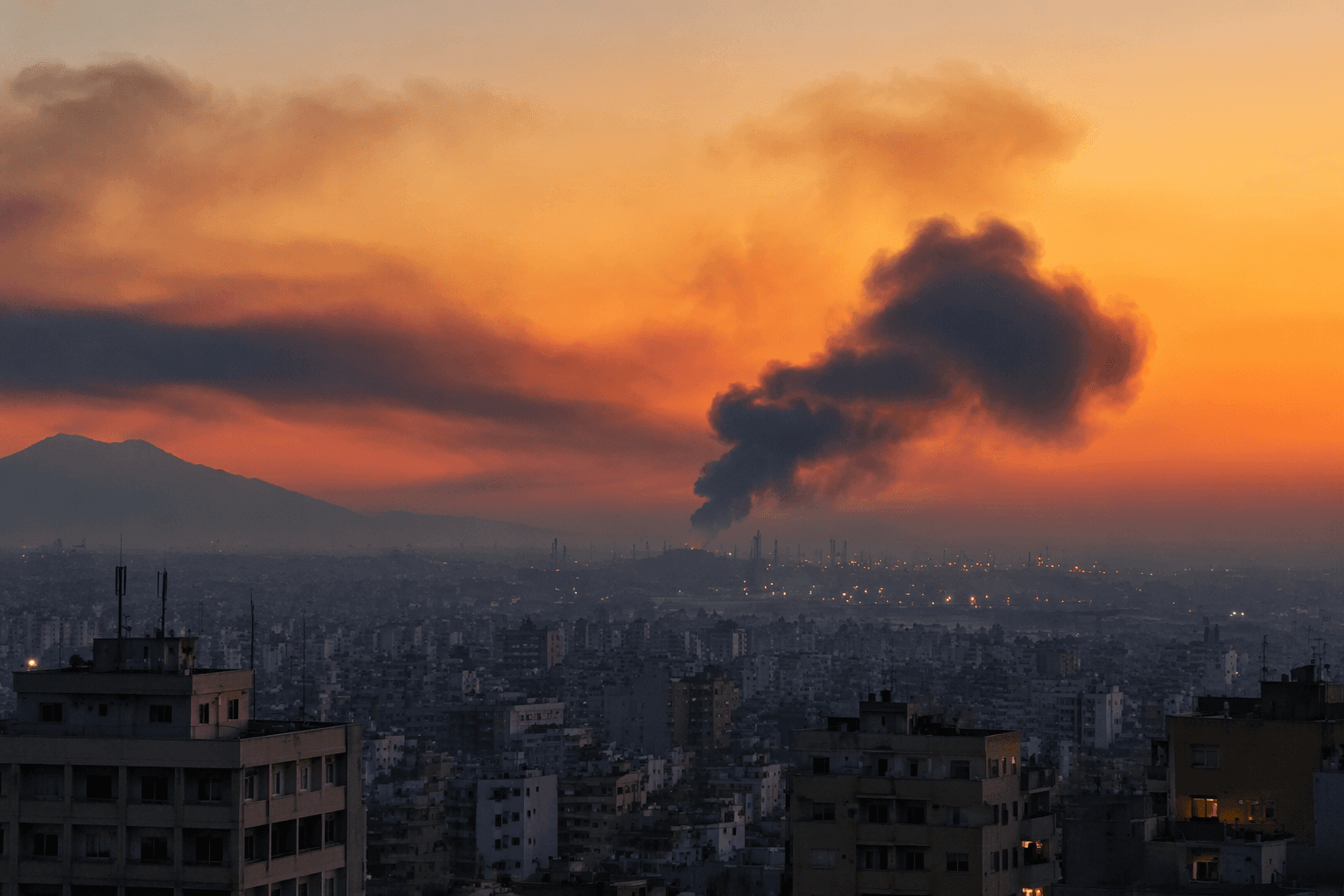
Whether that pressure changed events or simply tracked decisions already in motion was harder to pin down on the ground. Israel struck a petrochemical plant in southwestern Iran that it said was used to produce ballistic missiles, while the Islamic Revolutionary Guard Corps said it retaliated by hitting a similar Israeli facility in Haifa. The sequence suggested a war still being managed by force, not by declaration, even as Washington tried to project control over the pace of escalation.
The economic shock was immediate. Oil prices rose more than 4% on June 8, with Brent crude briefly touching $97.11 a barrel and West Texas Intermediate reaching $94.44. Traders focused on the Strait of Hormuz, the narrow waterway through which roughly a fifth of the world’s daily oil and liquefied natural gas supply normally passes, raising the risk of higher fuel costs far beyond the battlefield.
Lebanon remained a central pressure point. Prime Minister Nawaf Salam said Israel carried out 3,491 air strikes, 407 controlled demolitions and six razing operations from April 17 to June 7 under the U.S.-brokered ceasefire there. Lebanese officials said more than 1 million people have been displaced by Israeli strikes and evacuation warnings since the war erupted on March 2, a toll that has deepened the humanitarian crisis even as diplomacy limped forward.
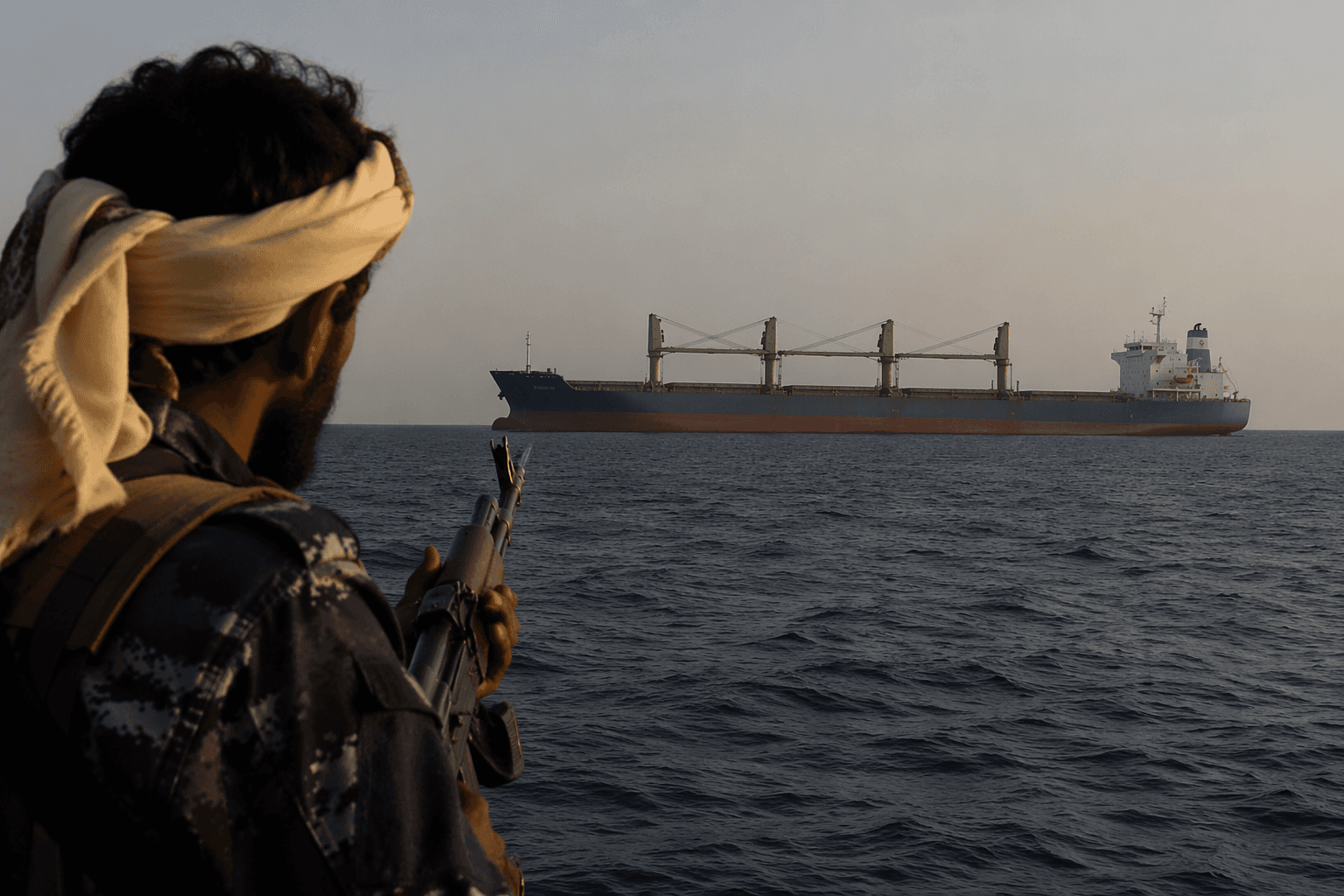
Iran’s Foreign Ministry said it was exchanging messages with Washington in an atmosphere of "extreme suspicion," and accused Israel of trying to sabotage diplomacy. Meanwhile, Iran-backed Houthi rebels in Yemen claimed attacks on Israel and declared a "complete and total ban" on Israeli maritime navigation in the Red Sea. The result was not a clean ceasefire but a narrowing window in which U.S. leverage had to compete with battlefield decisions already underway.
This article was produced by Prism’s automated news system from verified source data, official records, and press releases, then run through automated quality and moderation checks before publishing. The system is built and supervised by the people who set the standards it runs under. Read our full AI policy.
Know something we missed? Have a correction or additional information?
Submit a Tip