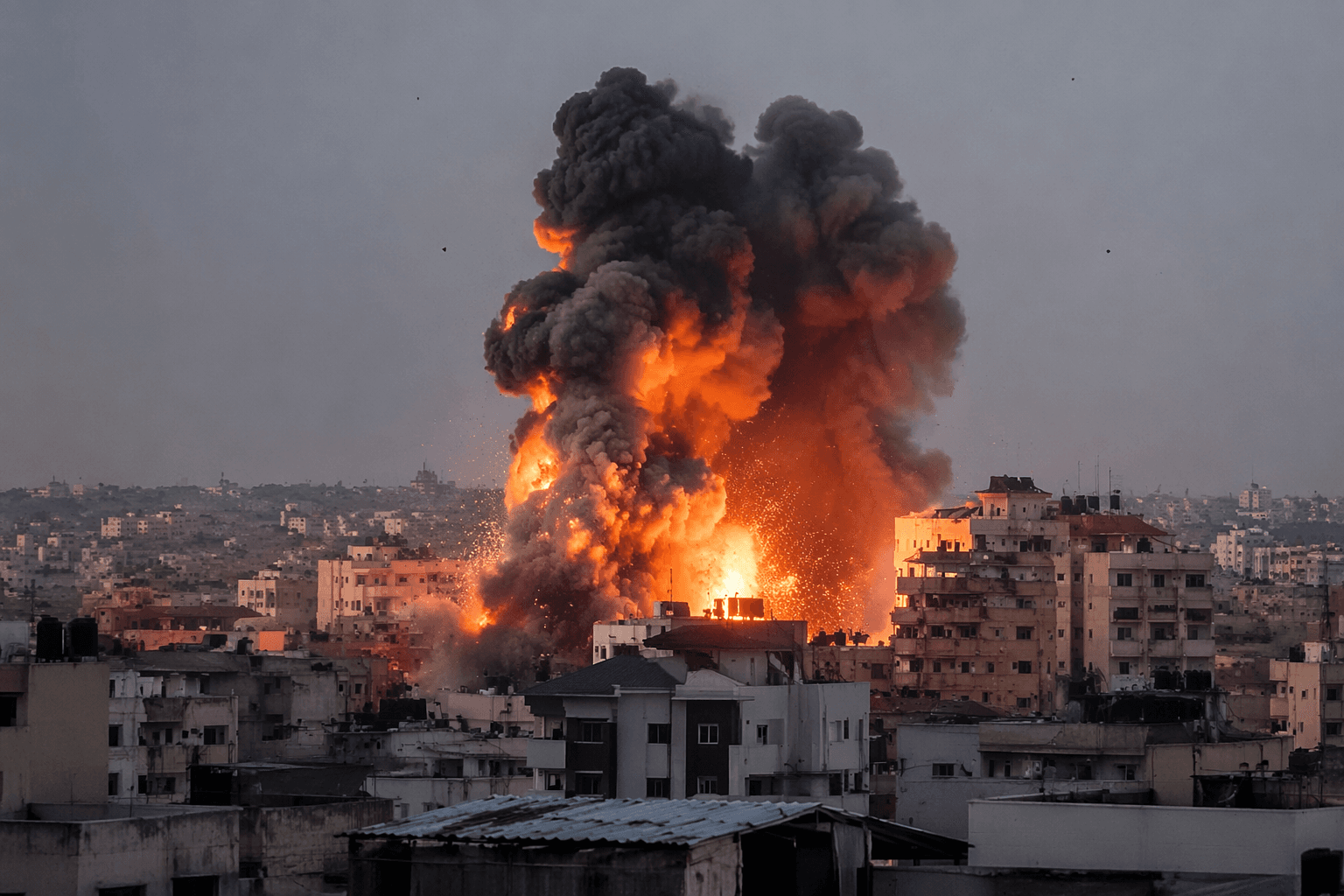
Iran halts indirect talks with U.S. amid Lebanon escalation
Iran cut off indirect U.S. talks after Lebanon fighting intensified, threatening a fragile ceasefire and raising new risks for Hormuz oil flows.
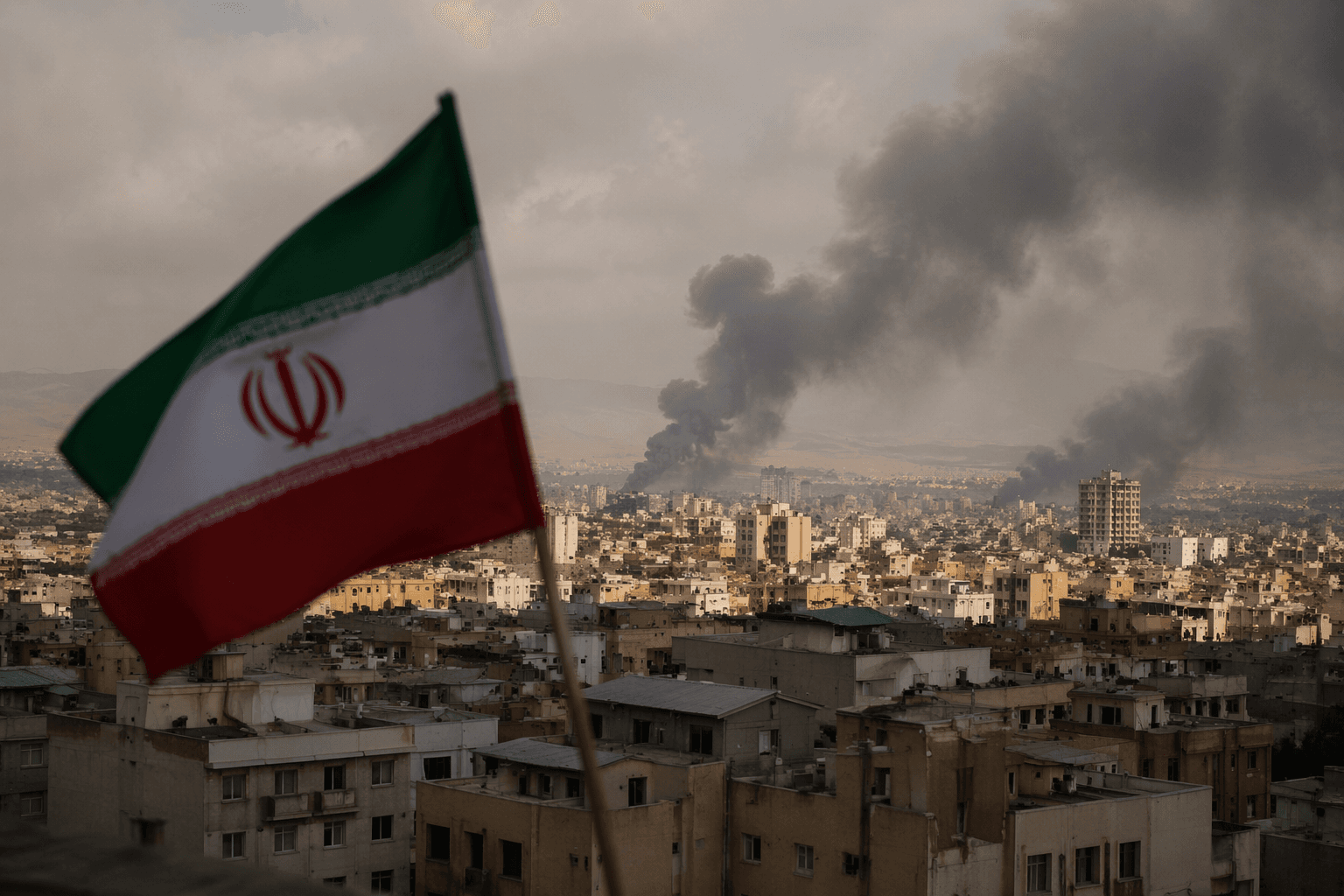
Iranian state media said Monday that Iran had halted indirect talks with the United States and stopped swapping messages and documents through mediators after Israel expanded military operations in Lebanon against Tehran-backed Hezbollah. The move sharpened fears that the conflict could spill beyond southern Lebanon, where the fighting had already strained a fragile ceasefire agreed in early April.
Tasnim News Agency said the suspension came in response to what Iran called U.S. and Israeli ceasefire violations. Iranian state television went further, warning that the ceasefire was "very likely" to end if Israeli attacks in Lebanon continued. In practical terms, the decision cut off one of the few channels that had kept diplomacy alive between Washington and Tehran, replacing back-channel bargaining with a public warning that Iran was preparing to open "other fronts" in the war.
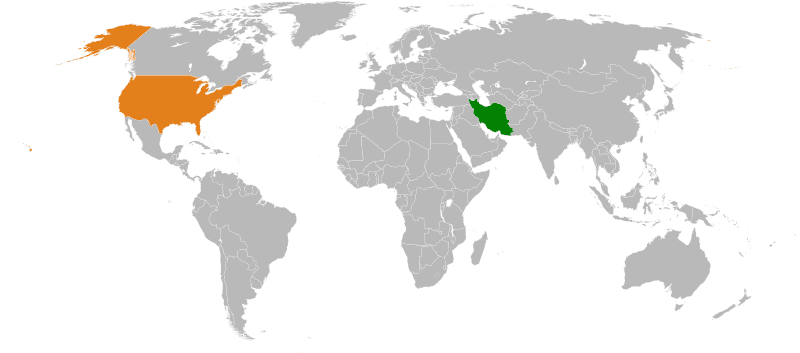
Those talks had been aimed at extending the ceasefire by 60 days and reopening negotiations on Iran’s nuclear program. U.S. and Iranian negotiators had tentatively agreed on May 29 to extend the truce and begin a new round of talks, though Iran had not formally confirmed the deal. The discussions were also tied to the Strait of Hormuz, the narrow shipping lane through which a large share of global oil flows. If that channel of diplomacy collapses, the immediate risk is not only more fire in Lebanon, but more pressure on energy markets, shipping insurers and allied militaries in the Gulf.
The United Nations said it was "deeply alarmed" by the escalation in southern Lebanon and beyond, urging all sides to respect the ceasefire. President Donald Trump, meanwhile, continued to say that Iran "wants to make a deal," underscoring the gap between public optimism in Washington and the deteriorating battlefield reality around Beirut and southern Lebanon. With Israeli operations intensifying and Iran signaling that it may answer elsewhere, the ceasefire now looks less like a stopping point than a thin barrier against a wider regional war.
This article was produced by Prism’s automated news system from verified source data, official records, and press releases, then run through automated quality and moderation checks before publishing. The system is built and supervised by the people who set the standards it runs under. Read our full AI policy.
Know something we missed? Have a correction or additional information?
Submit a Tip