Netanyahu orders strikes on Beirut suburbs as Hezbollah attacks Israel
Israeli strikes on Beirut’s southern suburbs threatened a fragile ceasefire as Hezbollah fired on northern Israel and U.S. mediation showed clear limits.
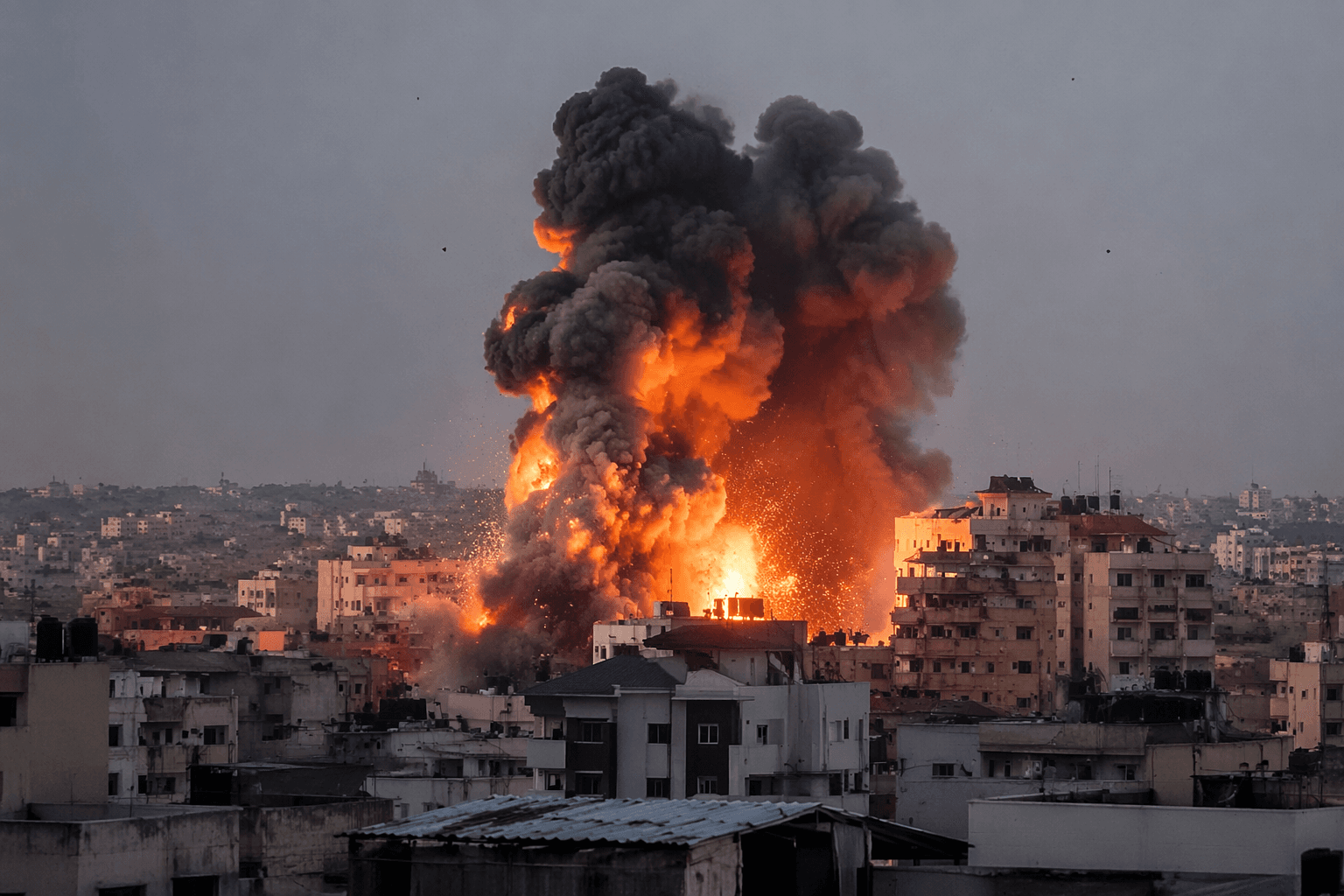
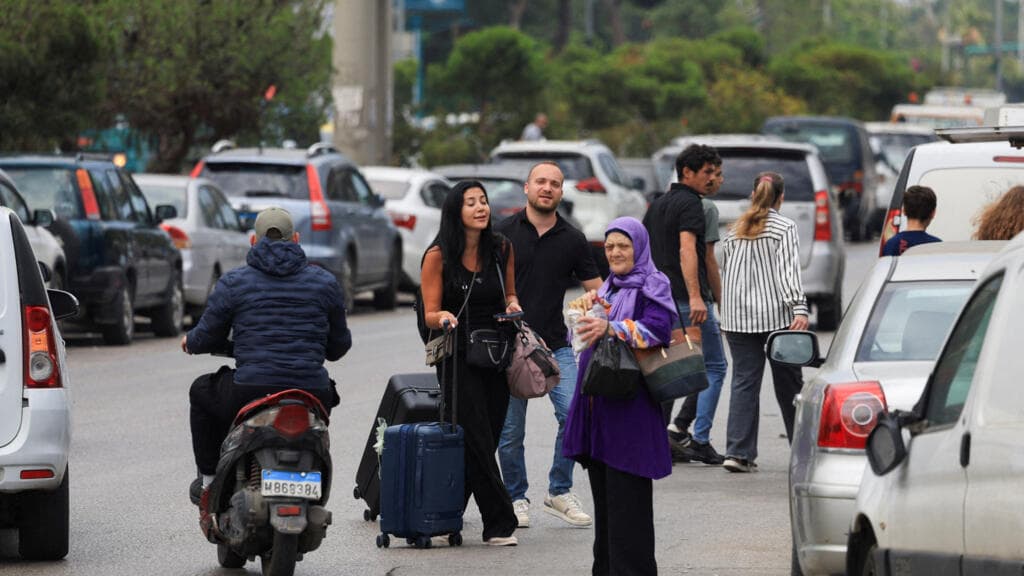
The ceasefire arrangement Washington is trying to preserve looked increasingly brittle as Benjamin Netanyahu and Israel Katz ordered strikes on Beirut’s southern suburbs after Hezbollah rocket and drone attacks on northern Israel, including areas near Haifa. The warning to residents sent people fleeing from Dahieh and other parts of Beirut’s south, while Lebanese Army units moved in to manage traffic and keep schools and universities operating amid the threat of renewed bombardment.
The escalation carried a clear map and a short fuse. Israel said Hezbollah had kept firing on northern Israeli communities, and Netanyahu’s order came just after Israeli ground forces reached their deepest point in Lebanon in 26 years. That advance underscored how far the fighting had already moved beyond isolated cross-border exchanges and how quickly another round of strikes could widen the conflict again.
Donald Trump said he had spoken with Netanyahu and Hezbollah about the Lebanon ceasefire and claimed Hezbollah had agreed that all shooting would stop. He also said there would be no U.S. troops going to Beirut, a sign of the limits on American leverage if the truce unravels. Abbas Araghchi, Iran’s foreign minister, said the U.S.-Iran agreement was “unequivocally a ceasefire on all fronts, including in Lebanon,” and warned that if it was violated on one front it would be violated on all fronts. Iranian officials have also said Israeli attacks in Lebanon and Gaza could jeopardize ceasefire efforts more broadly.

The human toll in Lebanon has already been severe. Lebanese authorities said more than 3,400 people had been killed since March 2, when Hezbollah opened fire on Israel amid the wider conflict. Israeli reporting said 13 IDF soldiers had been killed in the fighting since a ceasefire was said to have taken effect in April. With residents again abandoning Beirut’s southern suburbs after fresh warnings, the next trigger point is plain: any renewed Hezbollah fire on northern Israel, or any Israeli strike deep in Beirut’s Hezbollah-controlled districts, could collapse what remains of the ceasefire and pull the region toward a wider war.
This article was produced by Prism’s automated news system from verified source data, official records, and press releases, then run through automated quality and moderation checks before publishing. The system is built and supervised by the people who set the standards it runs under. Read our full AI policy.
Know something we missed? Have a correction or additional information?
Submit a Tip