Lebanese lawmaker urges Trump to broker new Israel-Hezbollah cease-fire
Berri’s appeal to Trump came as Netanyahu ordered fresh strikes on Beirut’s south, testing whether Hezbollah wants peace or only time to regroup.
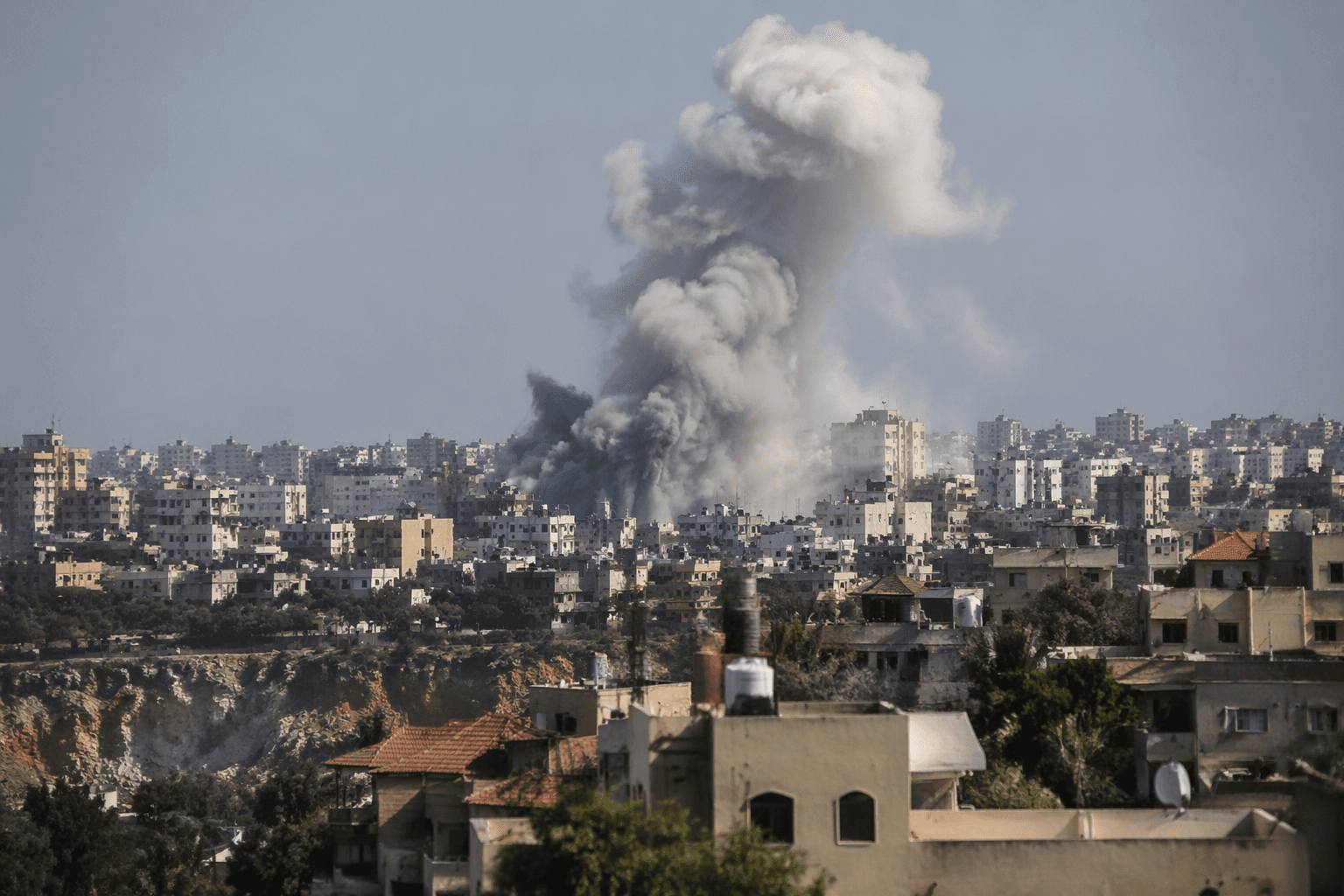
Israel’s threat to strike Beirut’s southern suburbs again has turned Nabih Berri’s appeal to Donald Trump into a test of whether Hezbollah is seeking real de-escalation or only a pause under pressure. Berri, the speaker of Lebanon’s parliament and a longtime Hezbollah ally, has told the Trump administration that Hezbollah is ready for a full and immediate cease-fire and that Lebanon would guarantee implementation.
The outreach lands after the fragile Israel-Hezbollah truce that took effect on November 27, 2024, following nearly 14 months of fighting. That deal was brokered by the United States and France and negotiated by U.S. envoy Amos Hochstein. Under its terms, Lebanon was to prevent Hezbollah and other armed groups from attacking Israel, while Israel was to stop offensive military operations against Lebanese targets. Hezbollah fighters were supposed to move north of the Litani River, about 30 kilometers, or 20 miles, from the border, while Lebanese forces deployed in the south.
The problem is that the cease-fire has repeatedly frayed. Israel and Hezbollah have traded near-daily attacks in recent months, and the war has spilled into Beirut’s southern suburbs, known as Dahiyeh, a Hezbollah stronghold. On June 1, 2026, Benjamin Netanyahu ordered attacks on those suburbs, and Lebanese security sources said families were again fleeing the area in fear of new strikes. UN agencies say more than 822,000 people in Lebanon were registered as displaced after the March 2026 escalation, a toll that has deepened an already severe humanitarian crisis.
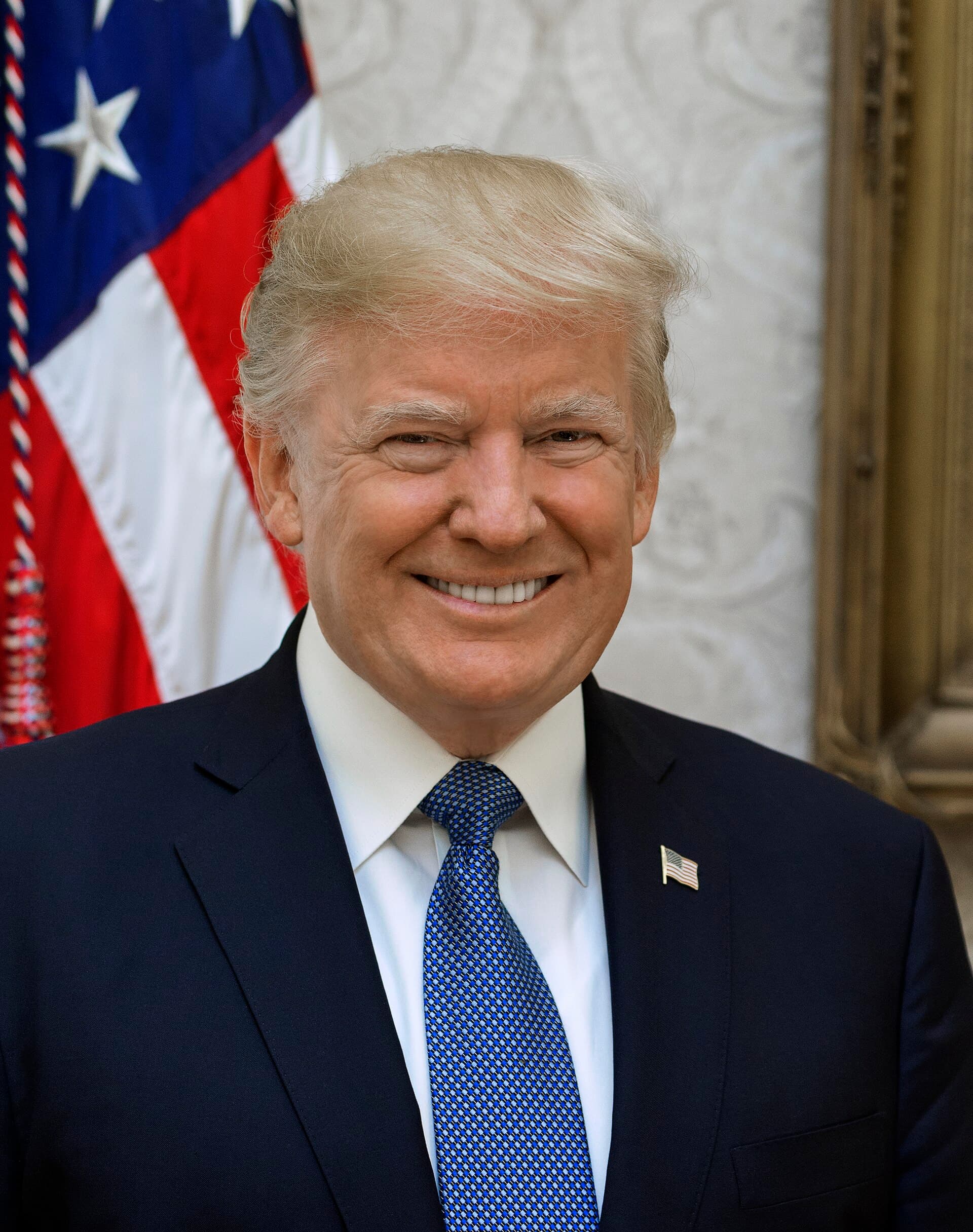
Berri’s move also exposes the balance of leverage inside Lebanon. Joseph Aoun and Nawaf Salam have been discussing cease-fire efforts, but the country’s formal institutions remain trapped between Hezbollah’s military power, the pressure of Israeli strikes, and the limits of a state that still has to promise enforcement it may not fully control. That is the central question now facing any new truce push: whether Hezbollah is prepared to step back from the frontier and stop firing, or whether it is using diplomacy to buy time while it absorbs losses and waits for the battlefield to shift. Any cease-fire that survives will require more than a signature. It will need verified restraint from Hezbollah, a halt to Israeli offensive operations, and a Lebanese state able to enforce the terms in the south and around Beirut.
This article was produced by Prism’s automated news system from verified source data, official records, and press releases, then run through automated quality and moderation checks before publishing. The system is built and supervised by the people who set the standards it runs under. Read our full AI policy.
Know something we missed? Have a correction or additional information?
Submit a Tip