Ukraine strikes Russian energy sites, denies attack on Zaporizhzhia plant
Drones hit a Saratov oil refinery and a Rostov fuel depot as Kyiv denied striking the Russian-held Zaporizhzhia nuclear plant.
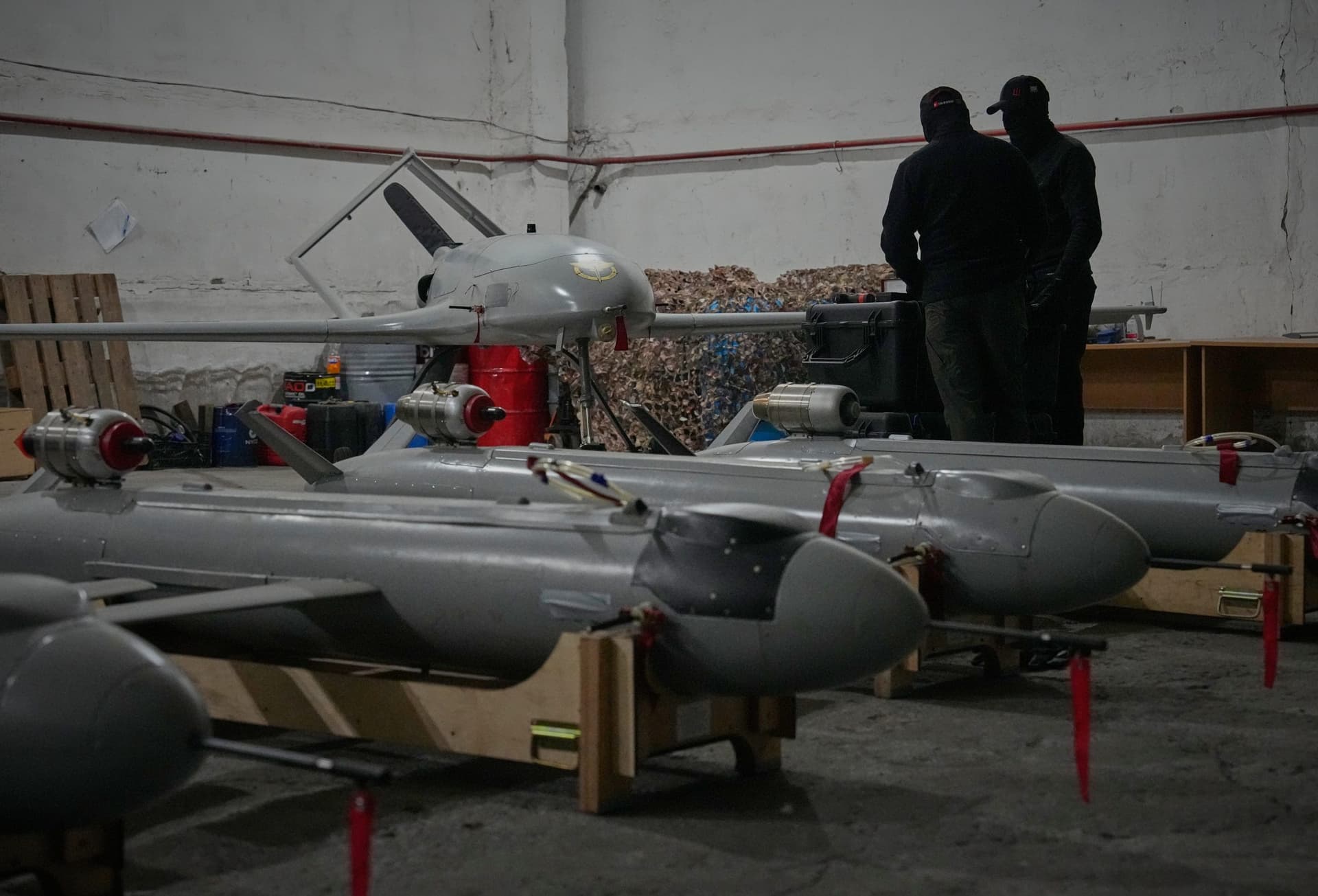
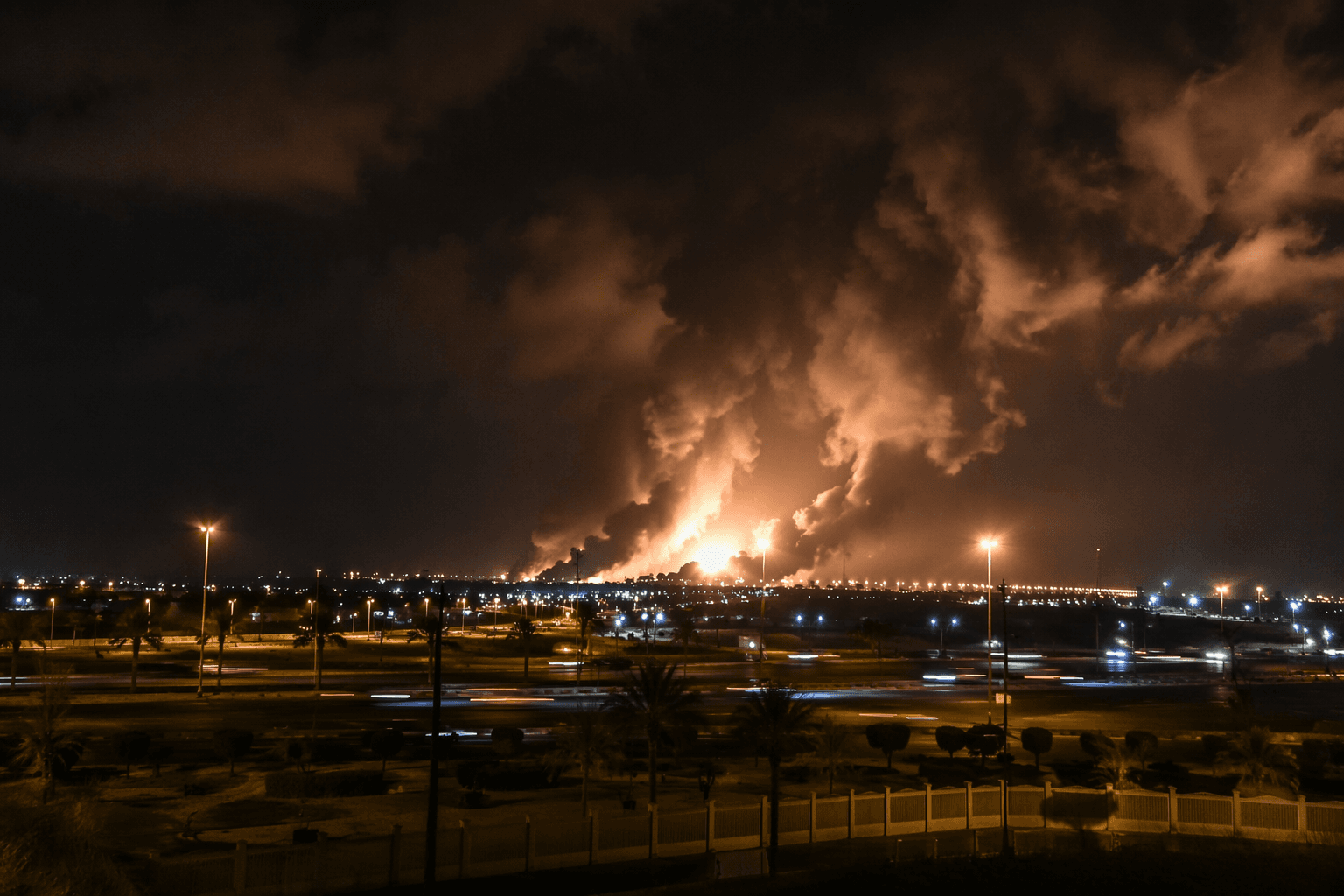
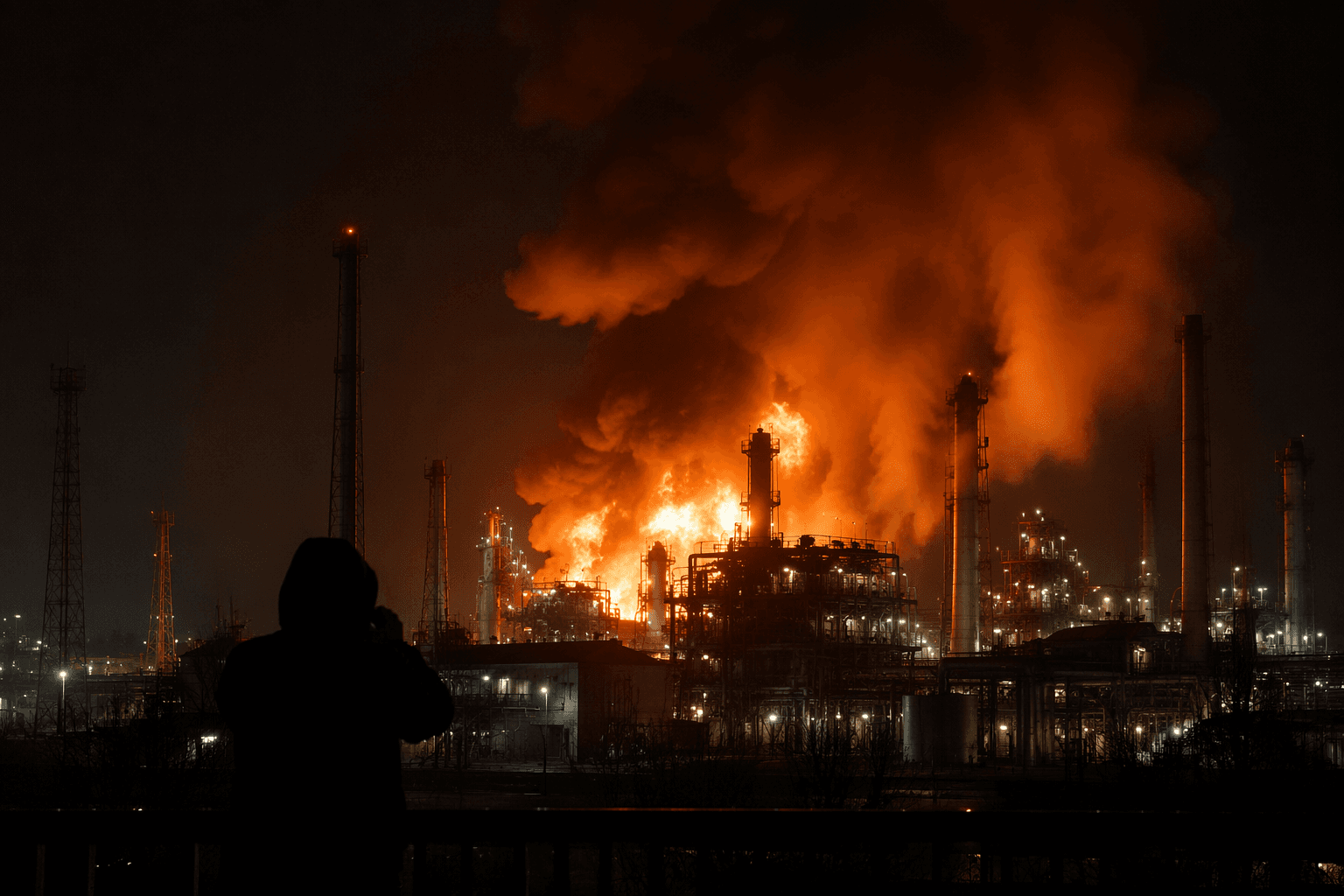
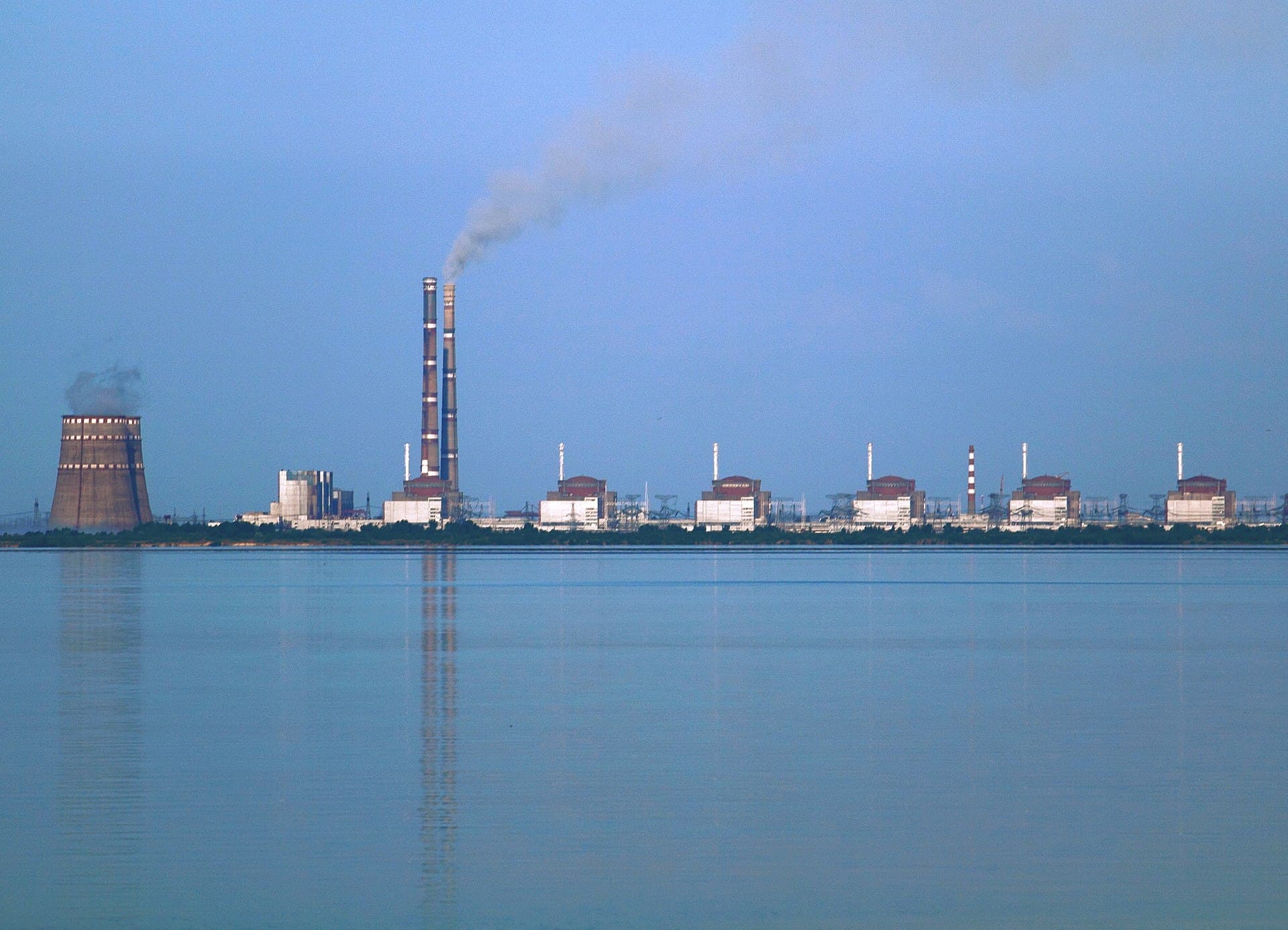
Ukrainian drones set a Saratov oil refinery on fire and sparked a blaze at a fuel depot in Russia’s Rostov region, widening Kyiv’s campaign against the energy assets that keep Moscow’s war machine moving. At the same time, Ukraine denied Moscow’s claim that one of its drones hit the Russian-controlled Zaporizhzhia nuclear plant, a charge that immediately raised the stakes around one of the war’s most dangerous flashpoints.
Ukraine’s General Staff said the Saratov refinery was helping supply Russia’s invasion effort, underscoring how refineries and fuel depots have become strategic targets rather than symbolic ones. Russian officials, by contrast, described damage to civilian infrastructure and said nearby residents were evacuated after the overnight strikes. The competing accounts reflected two different narratives at the center of the war: Ukraine presenting the attacks as legitimate military pressure, and Russia framing them as hits on civilian life and public safety.
The Zaporizhzhia dispute carried a different kind of risk. The plant has repeatedly come under fire since Russia’s full-scale invasion began in February 2022, and any allegation of damage there can trigger immediate alarm among governments and nuclear safety monitors. Even unverified claims around the site feed a broader information war, where battlefield reporting, propaganda and nuclear anxiety can converge within hours.

Volodymyr Zelenskyy called the Saratov attack a successful example of Ukraine’s long-range sanctions, signaling that Kyiv sees these strikes as both punishment and pressure. The logic is clear: by targeting Russian energy infrastructure, Ukraine aims to squeeze fuel supplies, raise the cost of the war, and show that even sites far from the front are vulnerable.
That strategy has sharpened a central tension in the conflict. Strikes on refineries and depots can weaken Russia’s military logistics and revenue base, but they also expand the war’s footprint into civilian energy systems and heighten fears around nuclear safety. With the fighting now in its fifth year, the battle over energy assets has become as much about messaging and deterrence as it is about fuel.
This article was produced by Prism’s automated news system from verified source data, official records, and press releases, then run through automated quality and moderation checks before publishing. The system is built and supervised by the people who set the standards it runs under. Read our full AI policy.
Know something we missed? Have a correction or additional information?
Submit a Tip