U.S. strikes Iranian sites after drone shootdown and missile attacks on Kuwait
A drone shootdown over international waters quickly led to U.S. strikes inside Iran, then missile fire toward Kuwait, widening the Gulf conflict in hours.
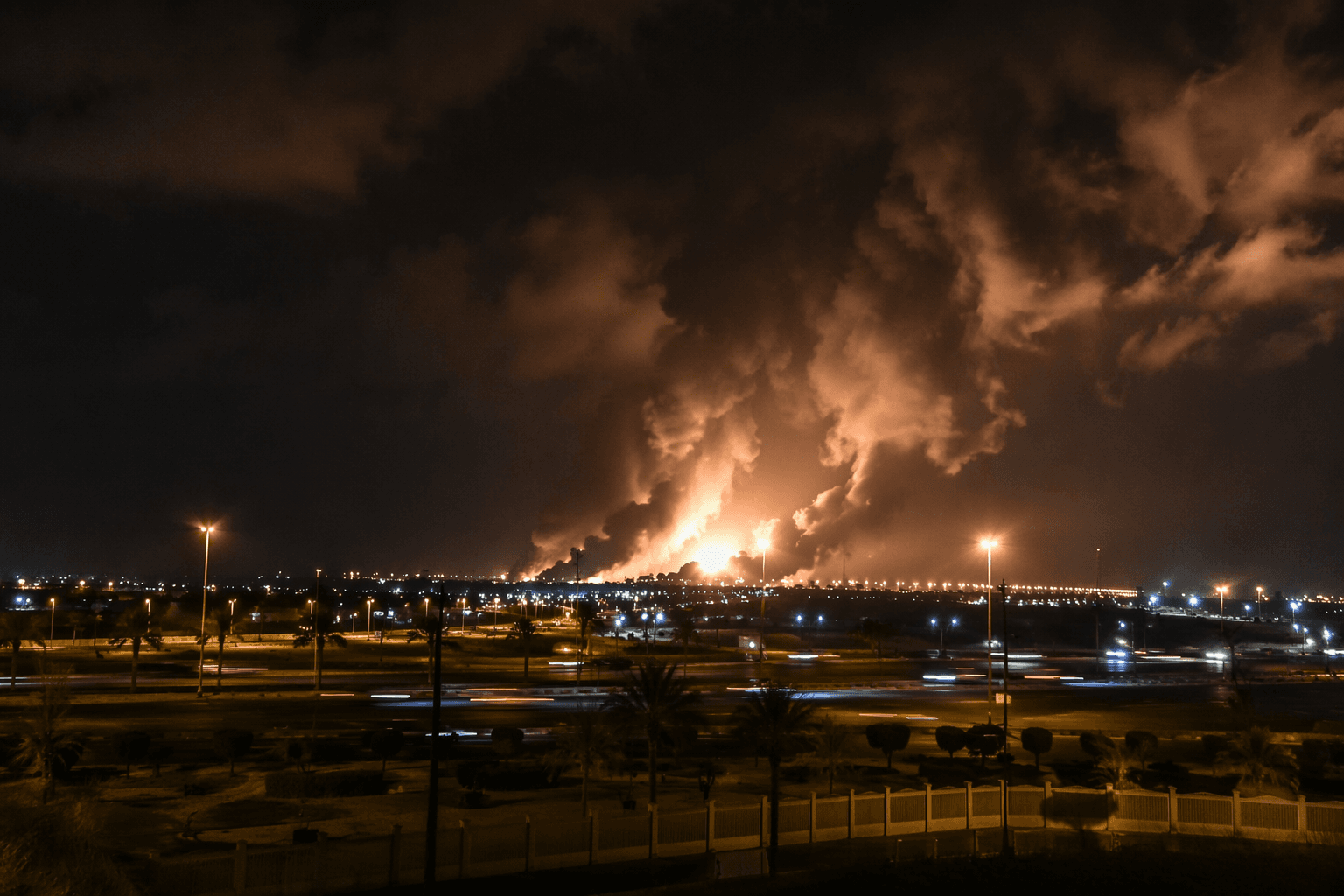
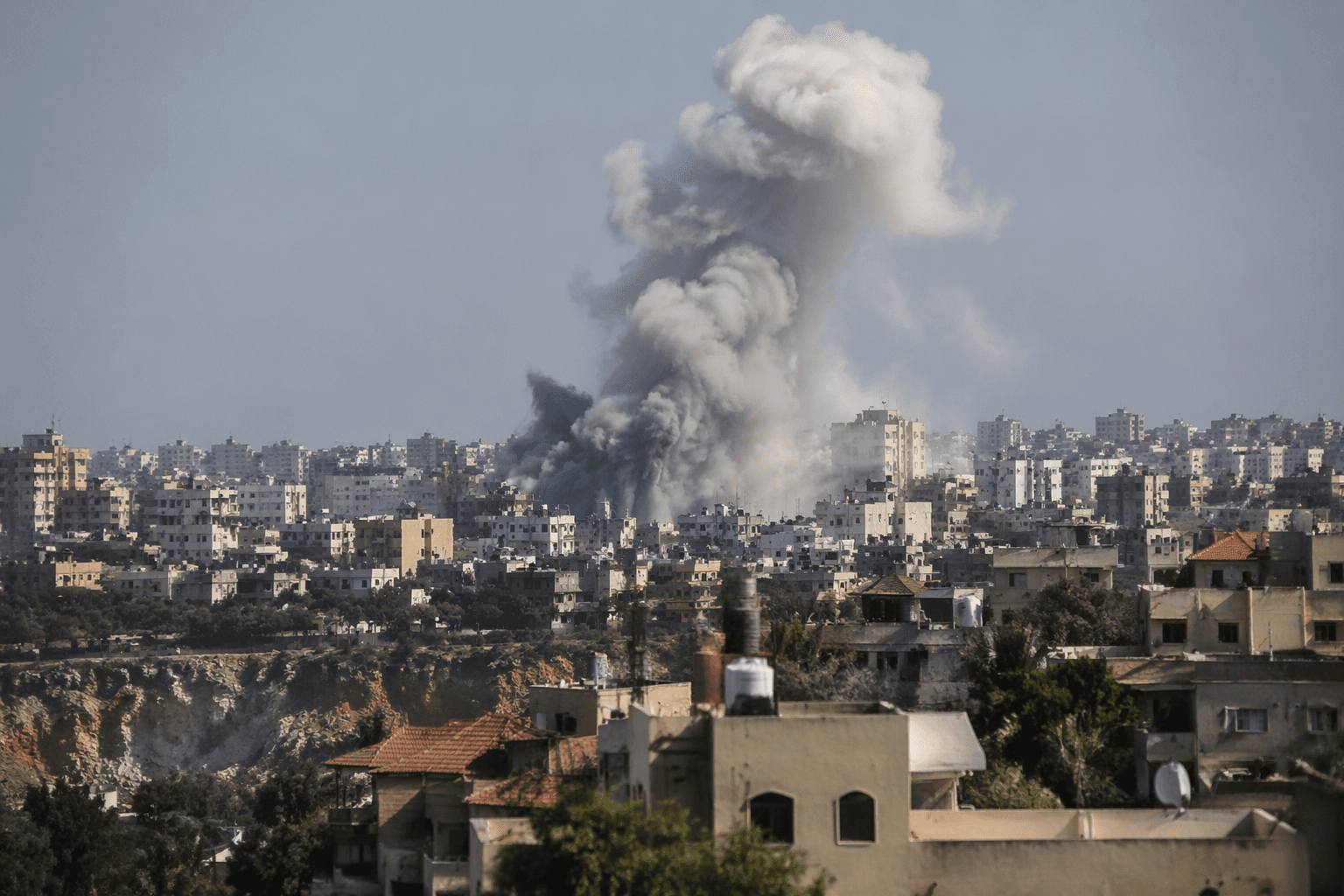
The fight escalated from a drone loss into a wider regional confrontation with startling speed. After Iran shot down a U.S. drone over the weekend, the American military struck radar and drone sites inside Iran, and then Iran said it fired missiles toward U.S. troops in Kuwait, a sequence that pushed the conflict beyond a single exchange and deeper into the Persian Gulf security network. The danger now reaches American bases, Gulf allies, shipping lanes and the Strait of Hormuz, where any miscalculation could pull in Lebanon and other fronts already strained by the Iran-backed conflict involving Hezbollah.
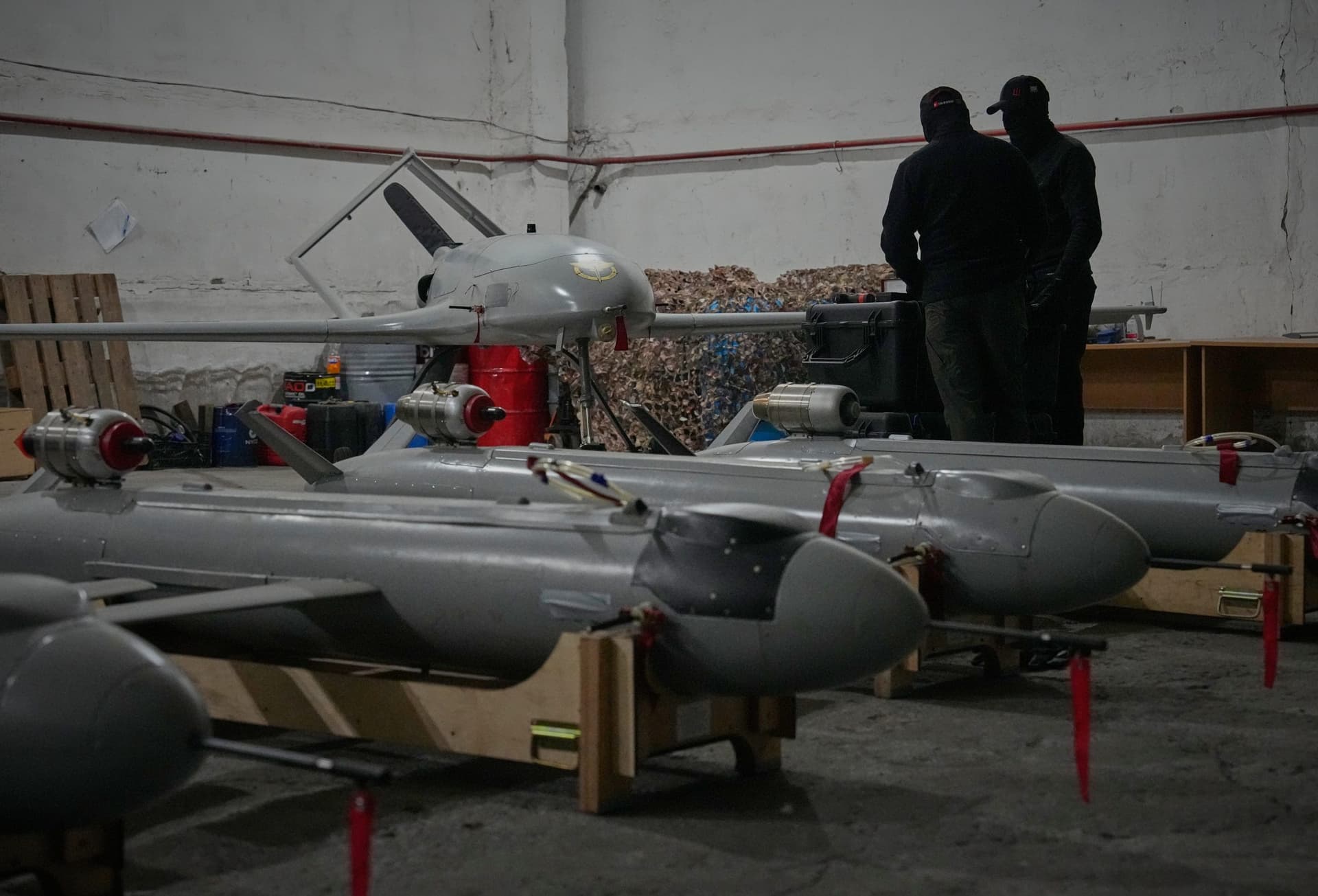
U.S. Central Command said its fighter aircraft hit a ground control station, air defenses and two one-way attack drones near Geruk and on Qeshm Island. The command said the strikes came on Saturday and Sunday after the shootdown of a U.S. MQ-1 drone operating over international waters, and that no American service members were harmed. CENTCOM said the operation was intended to answer aggressive Iranian actions and protect ships transiting regional waters, underscoring how quickly a battlefield exchange can spill into the sea lanes that carry global commerce.
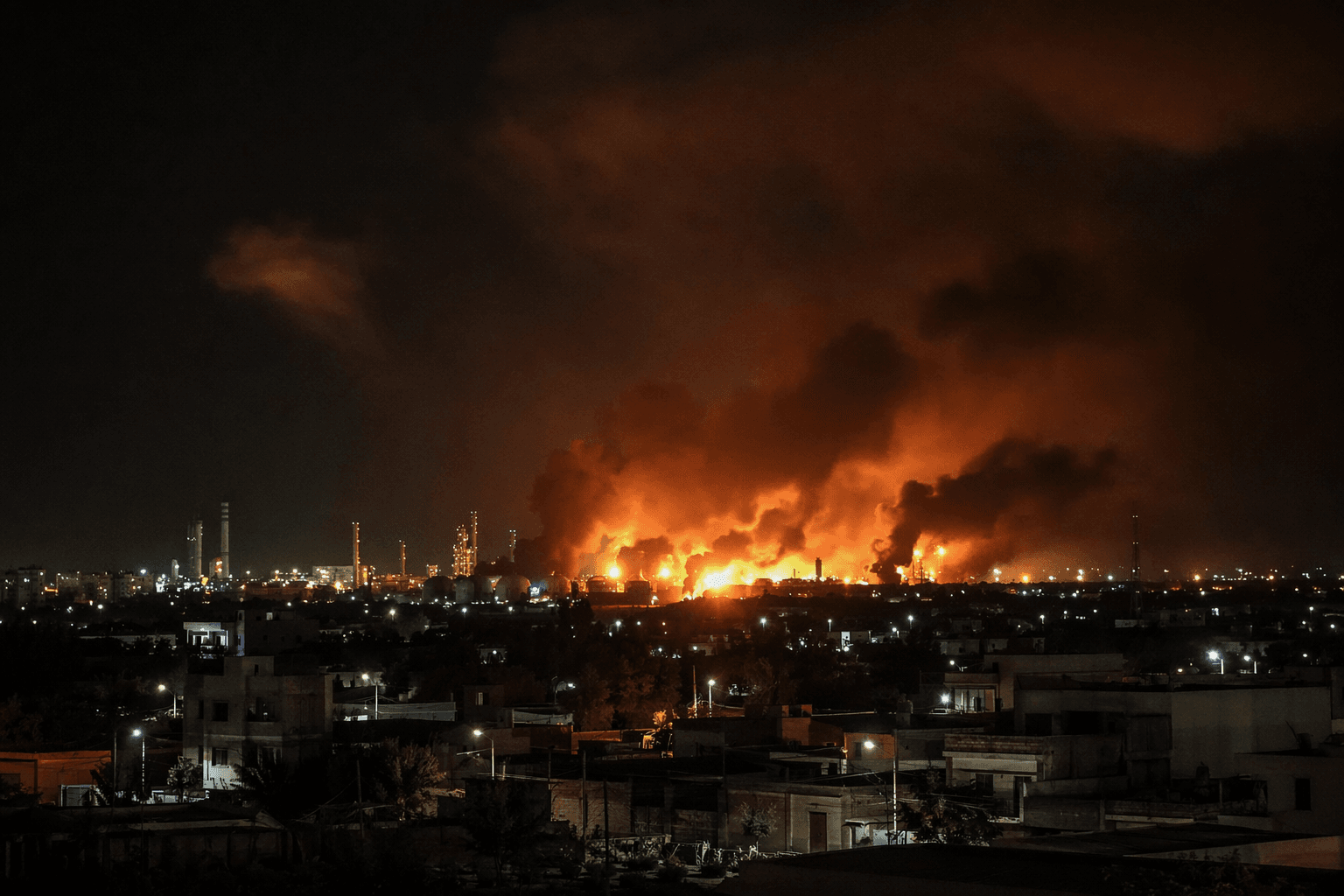
The response widened further when CENTCOM said Iran launched a ballistic missile toward Kuwait at 10:17 p.m. ET on May 27, and that Kuwaiti forces successfully intercepted it. Kuwait said its air defenses intercepted incoming missile and drone fire, while the Islamic Revolutionary Guard Corps said it had responded to an American attack without naming the location. The exchange made Kuwait far more than a bystander. It placed a longtime U.S. partner, and the site of American forces since the 1991 campaign to end the Iraqi occupation, inside the line of fire again.
The military dimension is only part of the threat. U.S. Central Command says Operation Epic Fury began at the direction of the president, and later said it had carried out more than 450 strikes on ballistic missile storage and systems and roughly 800 strikes on drone-launching units and storage. That scale points to a campaign far larger than a single retaliatory raid. It also deepens the economic risk. World Bank analysis said conflict-related disruption in the Strait of Hormuz triggered the largest oil market shock in history, while the Federal Reserve Bank of Dallas said the closure of the strait after the outbreak of conflict with Iran on Feb. 28, 2026, marked a major geopolitically driven oil-supply disruption. With Gulf states already condemning Iran’s missile and drone attacks in a March 1 joint statement, the conflict has become a test of regional defenses, global energy security and the ability of Washington and Tehran to stop the spiral before it reaches a broader war.
This article was produced by Prism’s automated news system from verified source data, official records, and press releases, then run through automated quality and moderation checks before publishing. The system is built and supervised by the people who set the standards it runs under. Read our full AI policy.
Know something we missed? Have a correction or additional information?
Submit a Tip