Milan restores bull mosaic worn by tourists’ lucky heel spins
Milan’s beloved bull mosaic has a new surface after tourists wore a crater into its “lucky” heel-spin spot. The repair revived a ritual tied to good fortune and return visits.
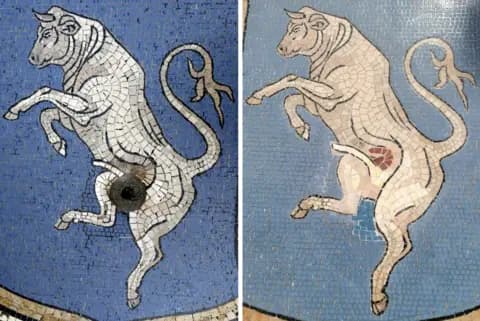
The bull in Milan’s Galleria Vittorio Emanuele II has been restored after years of heel spins turned its testicles into a small crater, a reminder of how a tourist ritual can physically reshape a landmark. The mosaic sits in the 19th-century arcade near the Duomo and represents Turin, once the capital of Italy.
City authorities said repeated spins by visitors wore down the pink tesserae in the bull’s groin, erasing the surface that generations of sightseers had treated as a lucky charm. The custom is said to bring good fortune and ensure a future return to Milan: grind one heel on the bull’s testicles, spin three times, and the city will welcome you back.
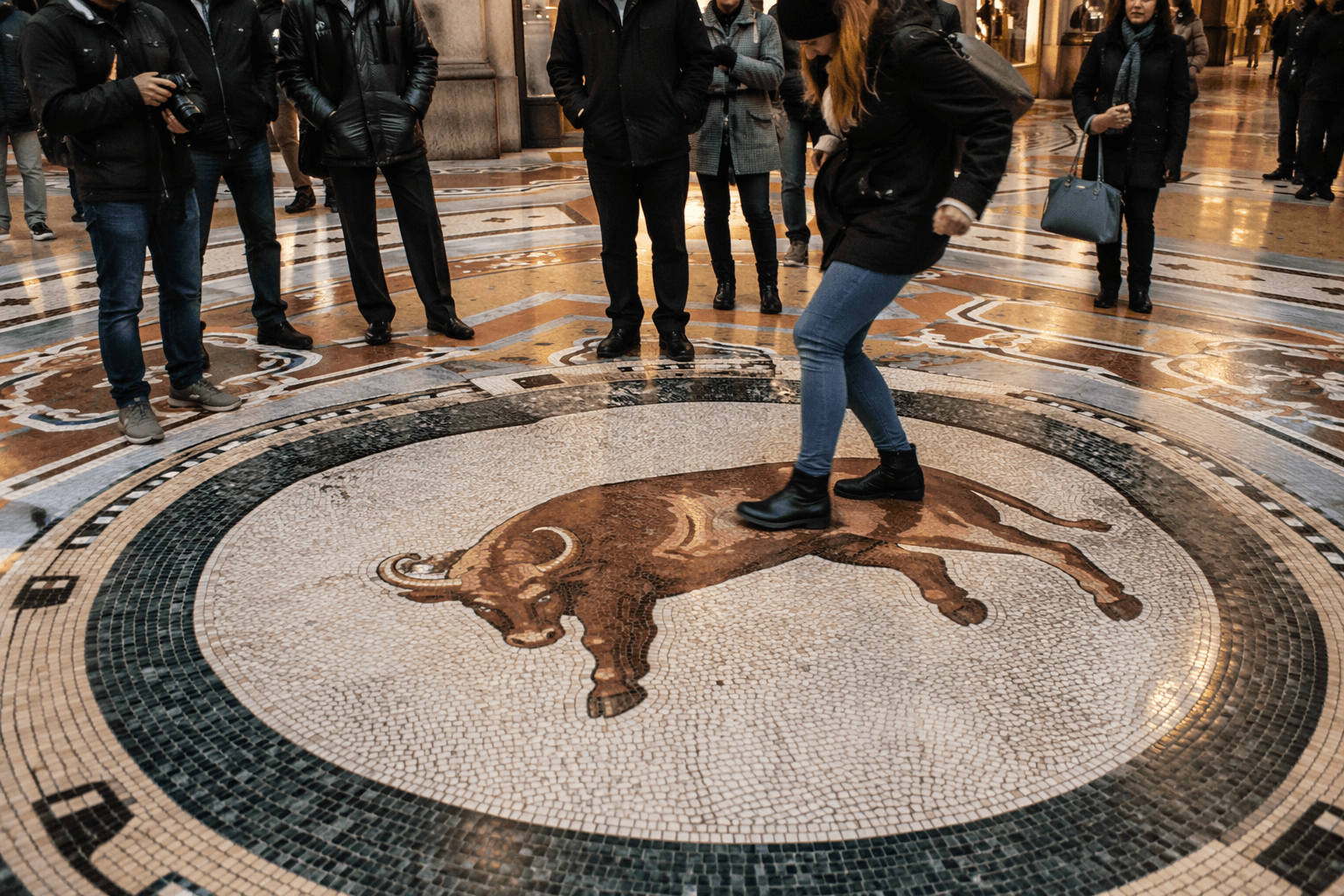
Milan deputy mayors Emmanuel Conte and Marco Granelli said the gallery’s “lucky spot” had become worn out over time and needed to be restored to its original appearance. The bull had last been repaired in 2017, making this intervention necessary just nine years later, a pace that underlined how popular the ritual remained and how quickly it had worn the work down.
Restorer Gianluca Galli carried out the repair as a careful, hand-made intervention. He hand-cut replacement stone based on period designs and said he used epoxy resin instead of the original lime-and-sand mortar so the restoration would better withstand tourists’ heels. Galli called the ritual “probably a charming gesture, but also quite damaging for a work of art,” and said he hoped the attention would encourage young people to enter the restoration profession, noting Italy’s need for more male and female restorers.
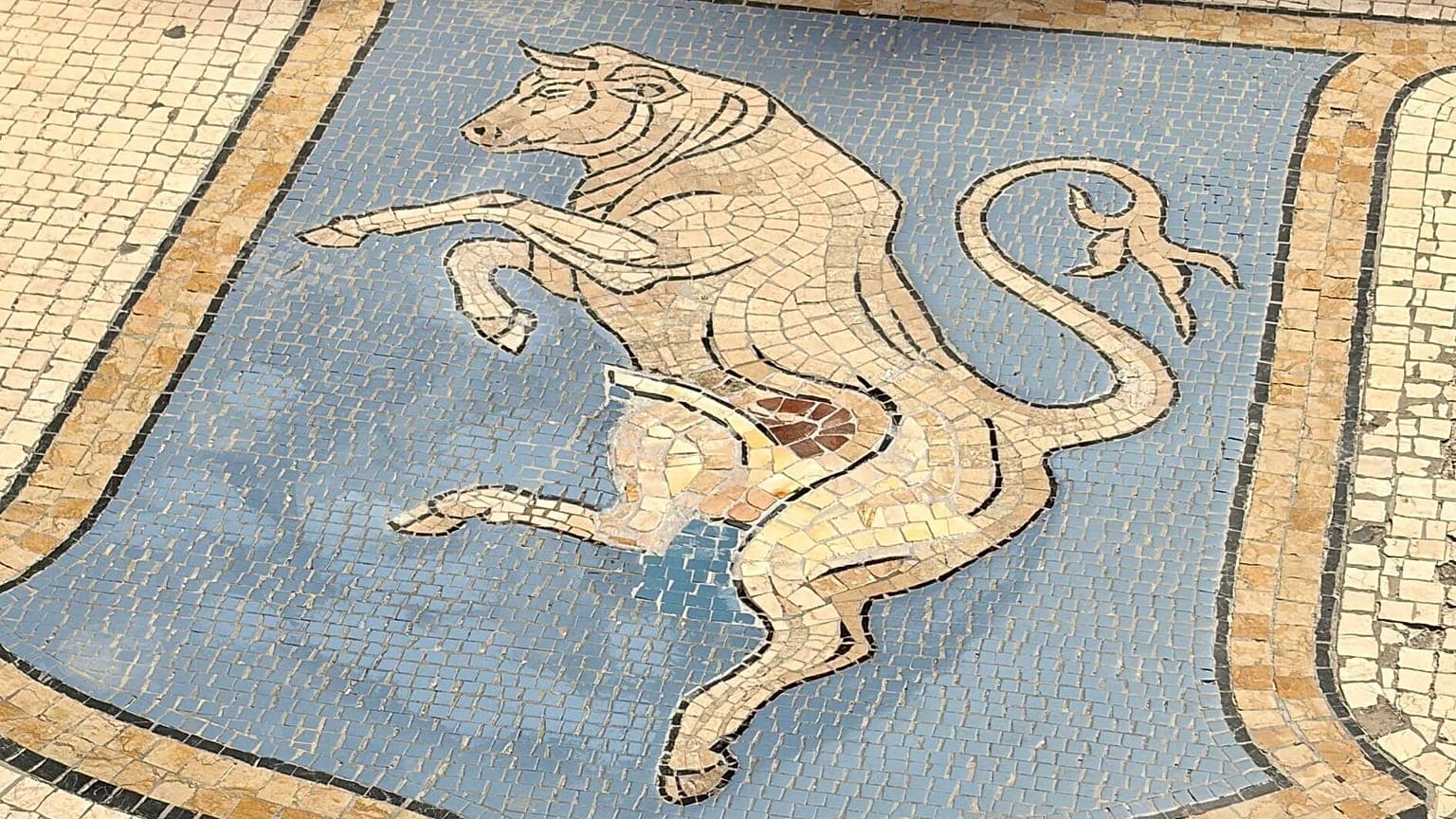
While the bull was being repaired, tourists reportedly shifted to a nearby she-wolf mosaic and repeated the same spinning tradition there. The scene captured the tension at the heart of Milan’s most famous arcade: a cherished local custom, heavy foot traffic, and the constant need to preserve a public artwork that millions treat less like a museum piece than a shared civic talisman.
This article was produced by Prism’s automated news system from verified source data, official records, and press releases, then run through automated quality and moderation checks before publishing. The system is built and supervised by the people who set the standards it runs under. Read our full AI policy.
Know something we missed? Have a correction or additional information?
Submit a Tip