Iran jails Nobel laureate Narges Mohammadi for more than seven years
Narges Mohammadi was sentenced to over seven years while on hunger strike; supporters warn her health is life threatening and call the verdict part of a wider crackdown.
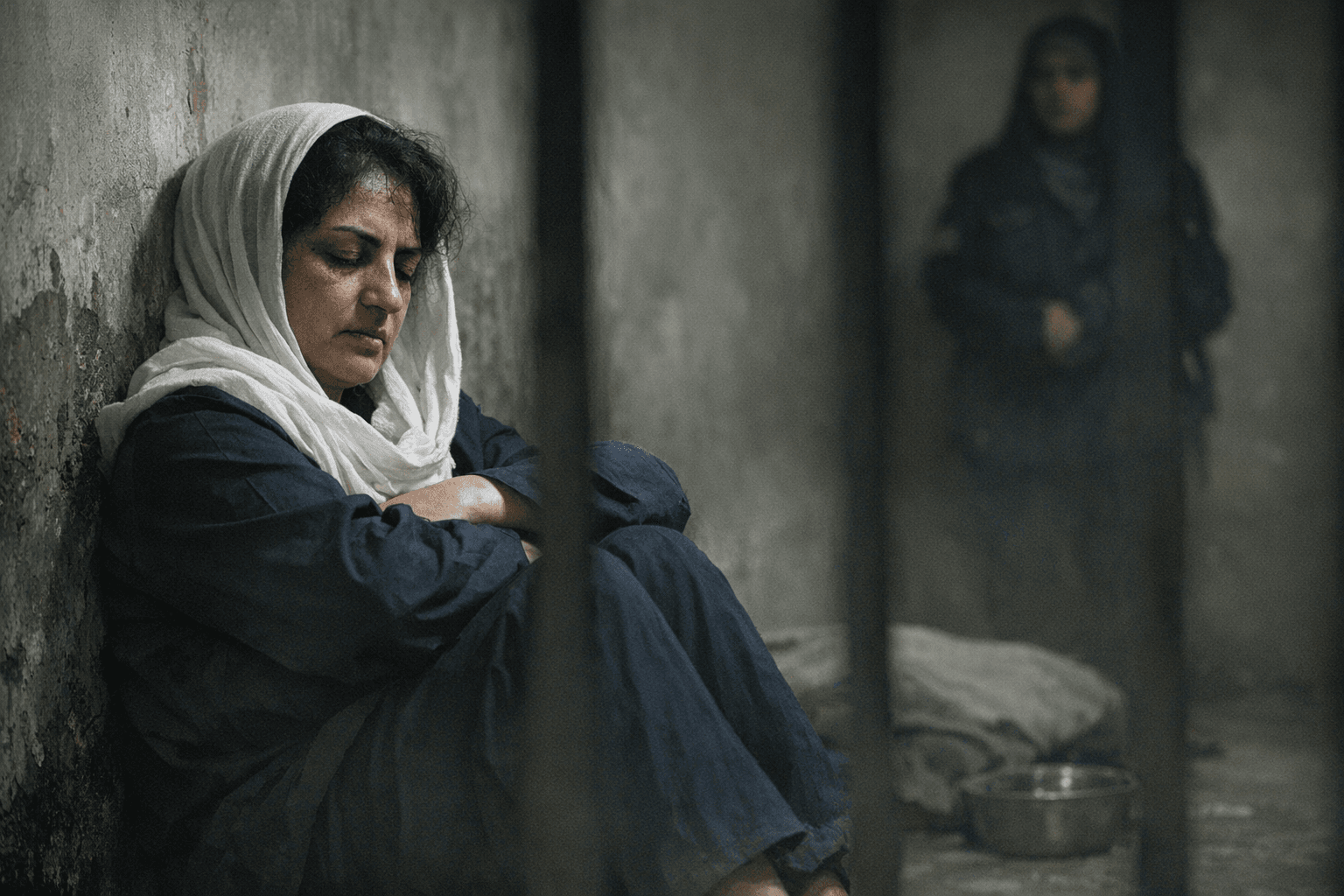
Narges Mohammadi, the 2023 Nobel Peace Prize laureate and a prominent Iranian human rights and women’s-rights activist, has been sentenced to more than seven years in prison after a Revolutionary Court in Mashhad issued a verdict her lawyer said was handed down Saturday.
Her lawyer, Mostafa Nili, wrote on X that the court “has sentenced [her] to six years in prison for ‘gathering and collusion’ and one and a half years for propaganda and two-year travel ban.” Nili and supporters also said the sentence includes two years of internal exile to the city of Khosf, roughly 740 kilometres southeast of Tehran.
Mohammadi was arrested in December at a memorial in Mashhad for Khosrow Alikordi, a 46-year-old local lawyer and human rights advocate. Footage from the gathering showed Mohammadi loudly demanding justice for Alikordi and others, according to those who viewed the material and advocacy groups. Supporters say she began a hunger strike on Feb. 2 to protest her detention and conditions in custody.
The Narges Mohammadi Foundation said she had been on a week-long hunger strike that ended on Sunday because her health had deteriorated. “Her continued detention is life threatening and a violation of human rights laws,” the foundation said. DW reported that Mohammadi was taken to a medical facility on Monday because of poor physical condition and then returned to custody; Nili said a phone call from Mohammadi was disconnected as she began to explain the circumstances of her arrest.
Iranian authorities did not immediately acknowledge the sentence. The judiciary’s chief has defended the state’s posture toward critics, saying: “Look at some individuals who once were with the revolution and accompanied the revolution. Today, what they are saying, what they are writing, what statements they issue, they are unfortunate, they are forlorn (and) they will face damage.” That comment reflects a hardening tone from officials toward voices they regard as dissident.
Mohammadi is a deputy director of the Defenders of Human Rights Center and a long-time campaigner against capital punishment and corruption. Her Nobel award in 2023 drew attention to her two-decade struggle for women’s rights and made her a potent symbol for activists inside and outside Iran. The Narges Mohammadi Foundation also said that with this latest ruling she has been sentenced to more than 44 years in prison across multiple cases, a tally that combines prior convictions with the new penalties.
Legal technicalities could affect how the new terms are applied. Iranian law generally allows multiple jail sentences to run concurrently, which may change the effective additional custodial time she will serve. Lawyers and rights monitors will seek court documents and clarifications on how the Mashhad verdict interacts with Mohammadi’s existing sentences.
The conviction comes amid a broader crackdown on dissent after nationwide protests that authorities say they have moved to quell. Observers note the ruling lands against a tense geopolitical backdrop as Tehran engages with international interlocutors over nuclear issues and faces heightened regional friction. Human rights groups and foreign governments are expected to press for medical access and for independent review of the verdict as Mohammadi’s health remains a central concern.
This article was produced by Prism’s automated news system from verified source data, official records, and press releases, then run through automated quality and moderation checks before publishing. The system is built and supervised by the people who set the standards it runs under. Read our full AI policy.
Did this article answer your question?