Russian strikes kill civilians and cut power across Ukraine
Overnight drone and missile strikes killed at least four civilians and knocked out power in multiple regions, deepening humanitarian and energy vulnerabilities.
At least four civilians are killed as Russian drone and missile strikes tear across Ukraine overnight, regional officials say, compounding a pattern of attacks that target populated areas and critical infrastructure. Among the dead are a mother and her 10-year-old son whose home was destroyed in Bohodukhiv in Kharkiv region, officials reported. Power outages spread across large parts of the country, leaving communities without heat and electricity in winter conditions.
Ukraine’s Air Force said Russia launched 11 Iskander ballistic missiles in the assault. Local authorities reported extensive damage to residential buildings and municipal services as air defenses and emergency teams worked through the night to extinguish fires and reach survivors. Hospitals and first responders in struck regions were treating the wounded while municipal crews scrambled to restore power to hospitals, water systems and heating plants.
The human toll and infrastructure damage come amid a sustained campaign that has increasingly focused on energy and civilian systems. Attacks that interrupt electricity and heating have outsized effects on households and on industry, particularly in a winter season that already strains networks. The immediate economic impact includes lost production, emergency repair costs and higher logistics expenses as businesses cope with intermittent power.
Beyond the immediate humanitarian crisis, the strikes carry broader market and fiscal implications. Disruption of energy supply chains tends to push up short-term energy import needs and can add to inflationary pressures, forcing the government to reallocate budgetary resources toward emergency repairs and social support. Investors closely watch such disruptions; repeated attacks on infrastructure raise sovereign risk and can increase borrowing costs by exacerbating perceptions of political and operational uncertainty.
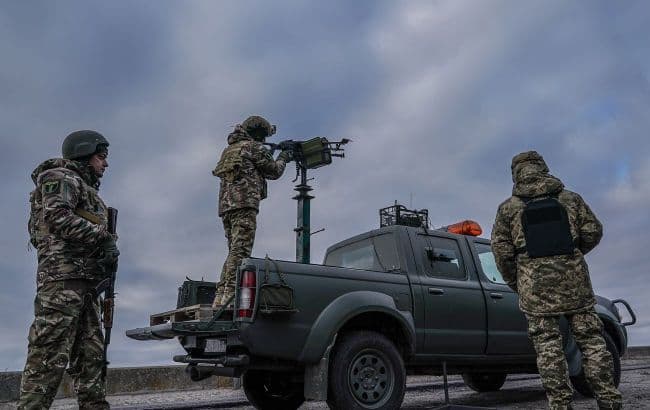
The strikes also highlight gaps in air defense coverage and the evolving challenge of combined missile and drone tactics. Iskander ballistic missiles are high-speed, short-range precision systems that can penetrate air defenses when used in concentrated salvos. Ukrainian officials and Western governments have in past months emphasized the need for additional integrated air defense capacity to protect cities and critical nodes of the electricity grid.
Humanitarian agencies warn that power outages during cold months escalate risks for vulnerable populations, including the elderly and displaced families. Restoring energy services is a technical task that often takes days or weeks when transmission lines, substations or generation assets are damaged. That timeline extends the economic scarring from a single wave of strikes into longer-term disruptions to schooling, healthcare and local labor markets.
For policymakers, the immediate priorities are restoring essential services, accelerating repairs to critical infrastructure and expanding civil defense to reduce civilian casualties. On the international stage, attacks on civilian energy systems reinforce calls for continued military and financial support to protect infrastructure and sustain the economy through reconstruction. As the conflict endures, the economic burden of repeated infrastructure damage will shape Ukraine’s recovery costs and the fiscal choices available to its government for years to come.
This article was produced by Prism’s automated news system from verified source data, official records, and press releases, then run through automated quality and moderation checks before publishing. The system is built and supervised by the people who set the standards it runs under. Read our full AI policy.
Did this article answer your question?


