Iran-linked ships test U.S. blockade as deception tactics shift in Hormuz
Iran-linked tankers kept spoofing AIS and fake flags as U.S. pressure tightened in Hormuz, where crossings stayed at 14 a day, far below the usual 100.
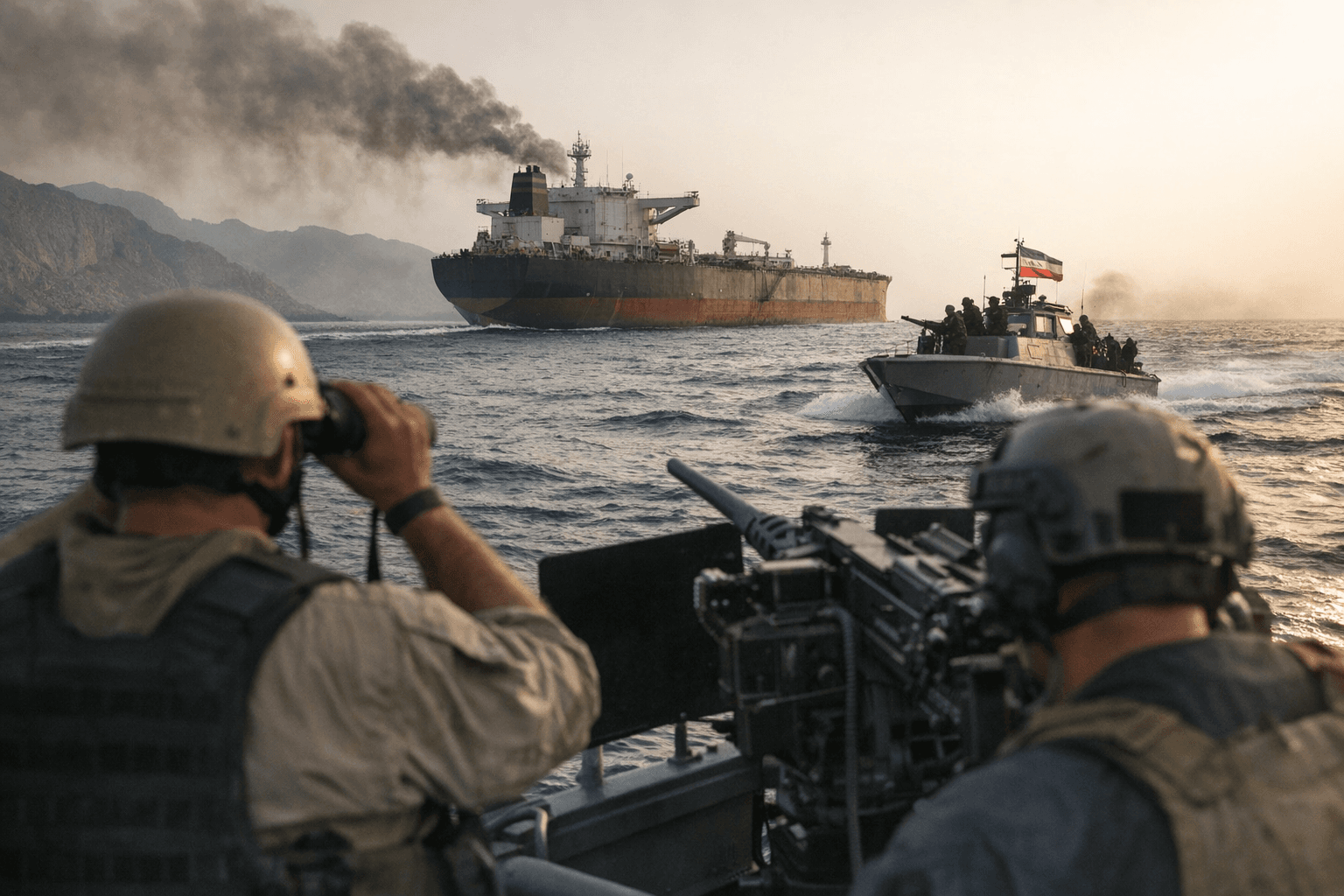
Deception at sea intensified in the Strait of Hormuz as Iran-linked vessels adjusted to a new American blockade, with one U.S.-sanctioned tanker, Rich Starry, spoofing its automatic identification system from April 3 through April 14 before making a U-turn in the Gulf of Oman after already transiting the strait. The ship was also falsely showing a Malawi flag, underscoring how flag fraud, signal spoofing and abrupt course changes are being used together to blur who is moving oil and where it is headed.
The pattern has raised the stakes well beyond a maritime anomaly. MarineTraffic and Kpler said crossings through the strait reached 14 on April 11 and 14 again on April 12, still far below the pre-conflict norm of about 100 transits a day. That gap shows a chokepoint under strain, not a route back to normal, and it leaves owners, charterers and insurers confronting a legally uncertain transit regime where one mistaken assumption could trigger higher freight costs, wider insurance spreads and sharper pressure on crude markets.
The enforcement push began Monday at 1500 UTC, and the U.S. military said six vessels complied with directions to turn around and re-enter an Iranian port. Maritime tracking suggested at least seven ships initially reversed course after the blockade announcement, while four later resumed their routes. A draft notice to mariners circulating among maritime security sources also referred to a possible grace period for neutral vessels departing Iranian ports before 1400 UTC, though no official confirmation has been given.
The latest maneuvering fits a broader campaign of deception that was already visible in March. ABC News Verify reported that Iranian-linked tankers were using fake location data to move sanctioned cargo through the strait, citing TankerTrackers’ estimate that up to 2 million barrels of Iranian crude were loaded on March 13 and Kpler’s estimate that Iran exported 12 million barrels between February 28 and March 12. The same reporting said Ocean Guardian had completed at least 30 shipments from Iran in 2025 and had been designated by the Treasury’s Office of Foreign Assets Control as Iran-related.
The operational risk now extends beyond sanctions enforcement. Maritime intelligence firms said GPS and AIS interference had been scrambling navigation around Hormuz for weeks, making vessels appear to move over land or along impossible tracks. That kind of confusion raises the chance of miscalculation in a corridor that carries a critical share of global energy flows, and it is already drawing diplomatic reaction, with the United Kingdom and France moving to organize a summit to safeguard shipping and China urging restraint.
This article was produced by Prism’s automated news system from verified source data, official records, and press releases, then run through automated quality and moderation checks before publishing. The system is built and supervised by the people who set the standards it runs under. Read our full AI policy.
Did this article answer your question?