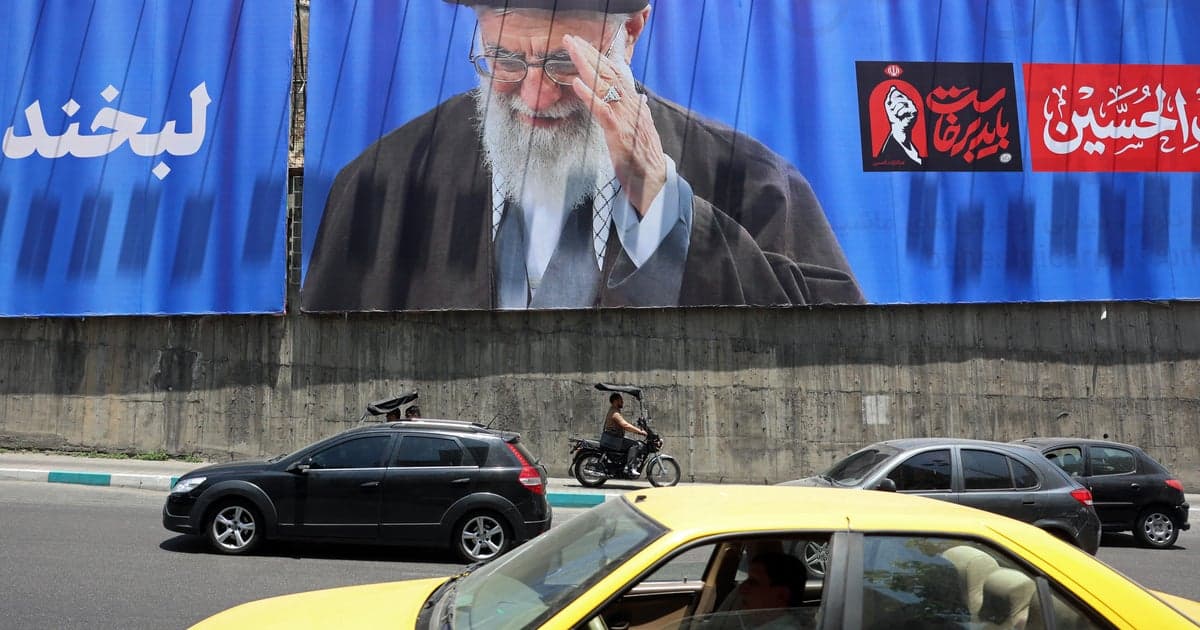
Iran offers to dilute 60% uranium if “all sanctions” are fully lifted
Iran’s nuclear chief links dilution of 60% enriched uranium to full sanctions relief, a conditional offer that raises verification and diplomatic challenges.
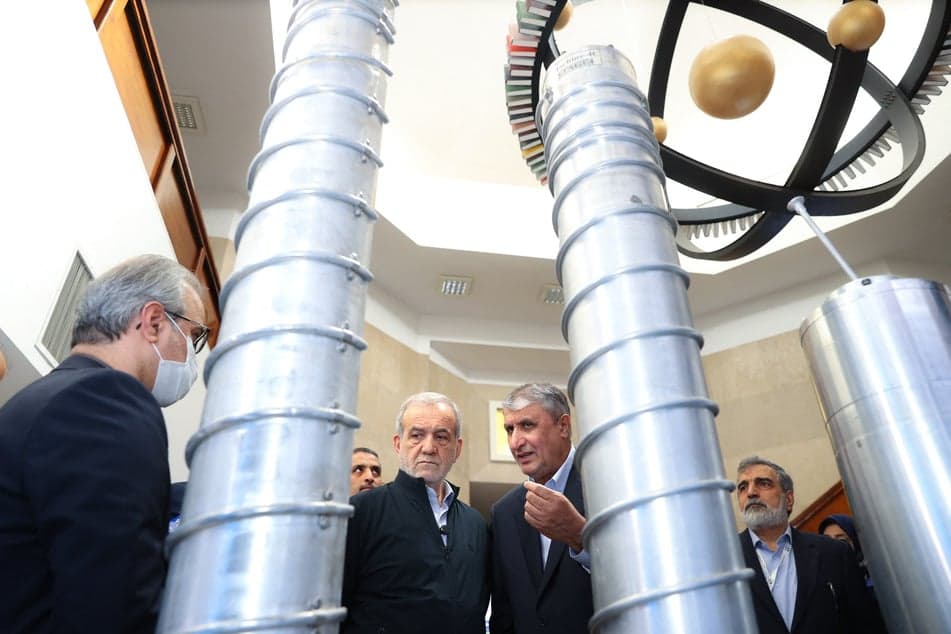
Mohammad Eslami, head of Iran’s Atomic Energy Organization, told reporters on Feb. 9 that Tehran could consider reducing the purity of its uranium enriched to about 60 percent if sanctions were fully lifted in return. Eslami said: "The possibility of diluting 60% enriched uranium ... depends on whether, in return, all sanctions are lifted or not," a conditional offer issued after indirect talks between U.S. and Iranian diplomats mediated by Oman.
The remark immediately highlighted a key ambiguity: Eslami did not define whether "all sanctions" meant only U.S. measures or a broader multilateral package. That uncertainty will shape whether Washington and its partners view dilution as a credible route to risk reduction or as an opening for protracted bargaining over the scope and sequencing of relief.
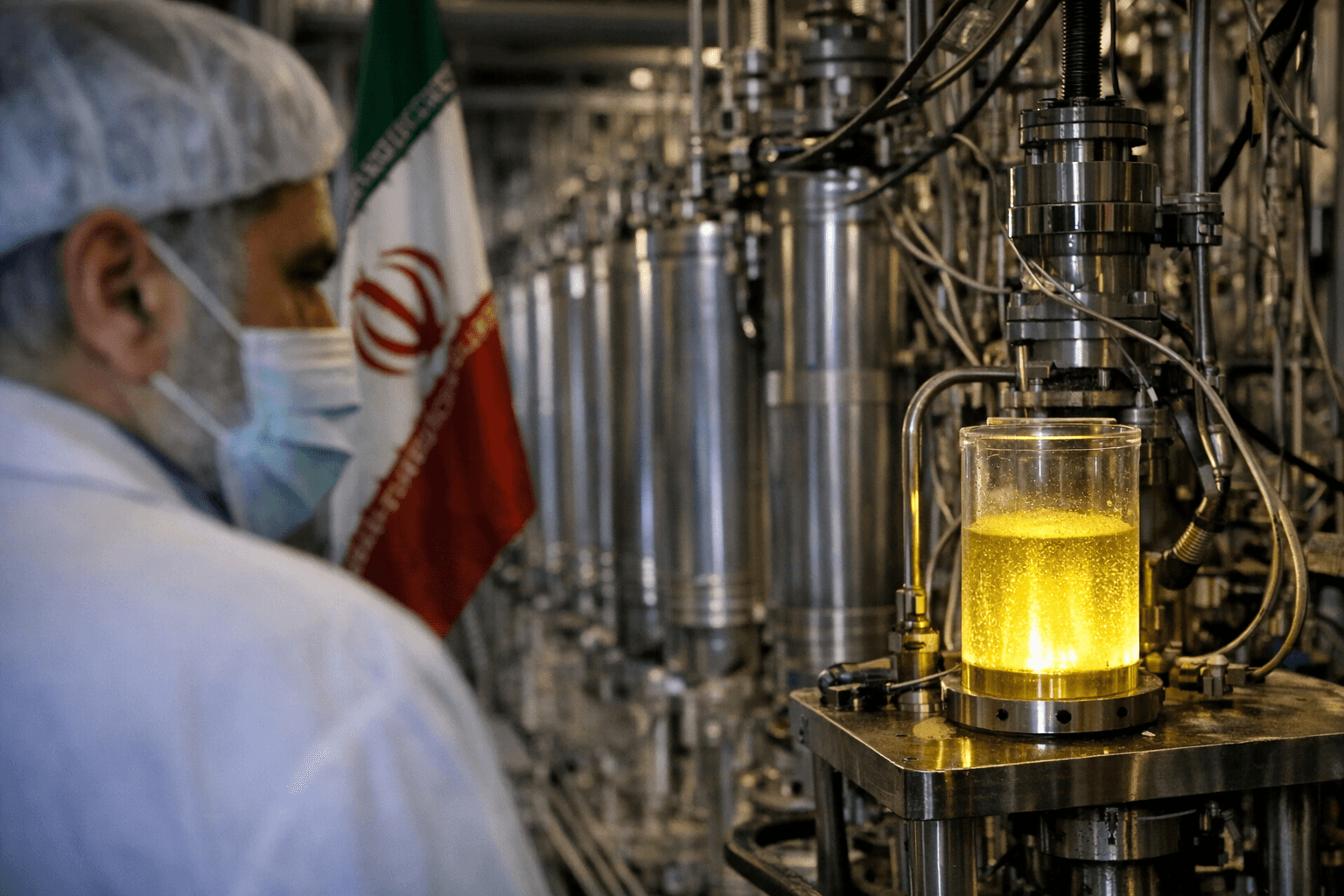
Technically, dilution or blending involves mixing higher‑enriched uranium with lower‑enriched material to reduce fissile concentration below a specified threshold. Sixty percent enrichment is widely regarded as a short step from weapons‑grade levels, which are typically near 90 percent. The International Atomic Energy Agency has noted that Iran is the only non‑nuclear‑weapon state enriching to roughly 60 percent.
Complicating any deal are unresolved accounting questions. A United Nations nuclear agency estimate last year put Iran’s stock of uranium enriched up to 60 percent at more than 440 kilograms, while other statements have referred more broadly to "more than 400 kilograms" of highly enriched material whose whereabouts remain unclear since strikes on Iranian facilities in June 2025. The IAEA has said it has not been allowed access to all sites damaged during those attacks and that its ability to verify inventories is incomplete.
Eslami sought to frame the proposal within ongoing safeguards engagement, saying Tehran had "resumed communications with the International Atomic Energy Agency" and that its interaction with the watchdog over the attacked sites had been "continuous interaction" and "within the framework of safeguards." He also criticized the watchdog’s handling of the June strikes investigation as an "unfulfilled task."
Iranian officials rejected suggestions that the country planned to transfer highly enriched uranium abroad as part of negotiations. Eslami dismissed such reports as being pushed by "pressure groups" and said the transfer "has not been on the agenda at all." Ali Shamkhani, a senior adviser to Iran’s supreme leader, told interlocutors there was "no reason" to send the material overseas.
Diplomatically, the offer arrives amid intense regional tension and competing demands. Washington has insisted Iran relinquish stocks enriched to roughly 60 percent, while U.S. officials have also pressed for tight verification measures. Any dilution would need robust chain of custody and sustained IAEA monitoring to convince skeptical capitals that enrichment had been rendered irreversible or effectively neutralized.
For now, the proposal is a conditional opening rather than a concluded deal. Clarification from Tehran on the meaning of "all sanctions," fresh IAEA access and inventories, and agreement on verification protocols will determine whether dilution becomes a pragmatic confidence building step or another round of high‑stakes diplomacy that leaves the most sensitive questions unresolved.
This article was produced by Prism’s automated news system from verified source data, official records, and press releases, then run through automated quality and moderation checks before publishing. The system is built and supervised by the people who set the standards it runs under. Read our full AI policy.
Did this article answer your question?