Iran on Full Readiness to Protect Uranium as US Awaits Response
Tehran said its forces were on “full readiness” to protect uranium sites as Washington waited for an answer to a proposal that demands a 12-year enrichment halt.
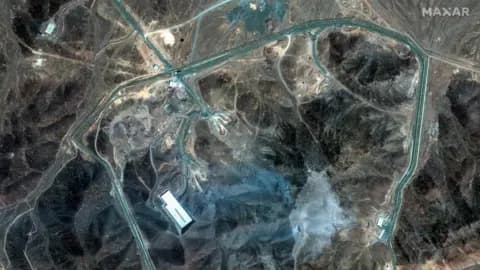
Iran’s military signaled it was preparing to defend the country’s nuclear infrastructure, saying forces were on “full readiness” to protect sites storing uranium as the United States waited for Tehran’s formal answer to a new peace proposal. The exchange has become a test of whether diplomacy is narrowing the standoff or hardening it, with both sides using the language of leverage before any official response is delivered.
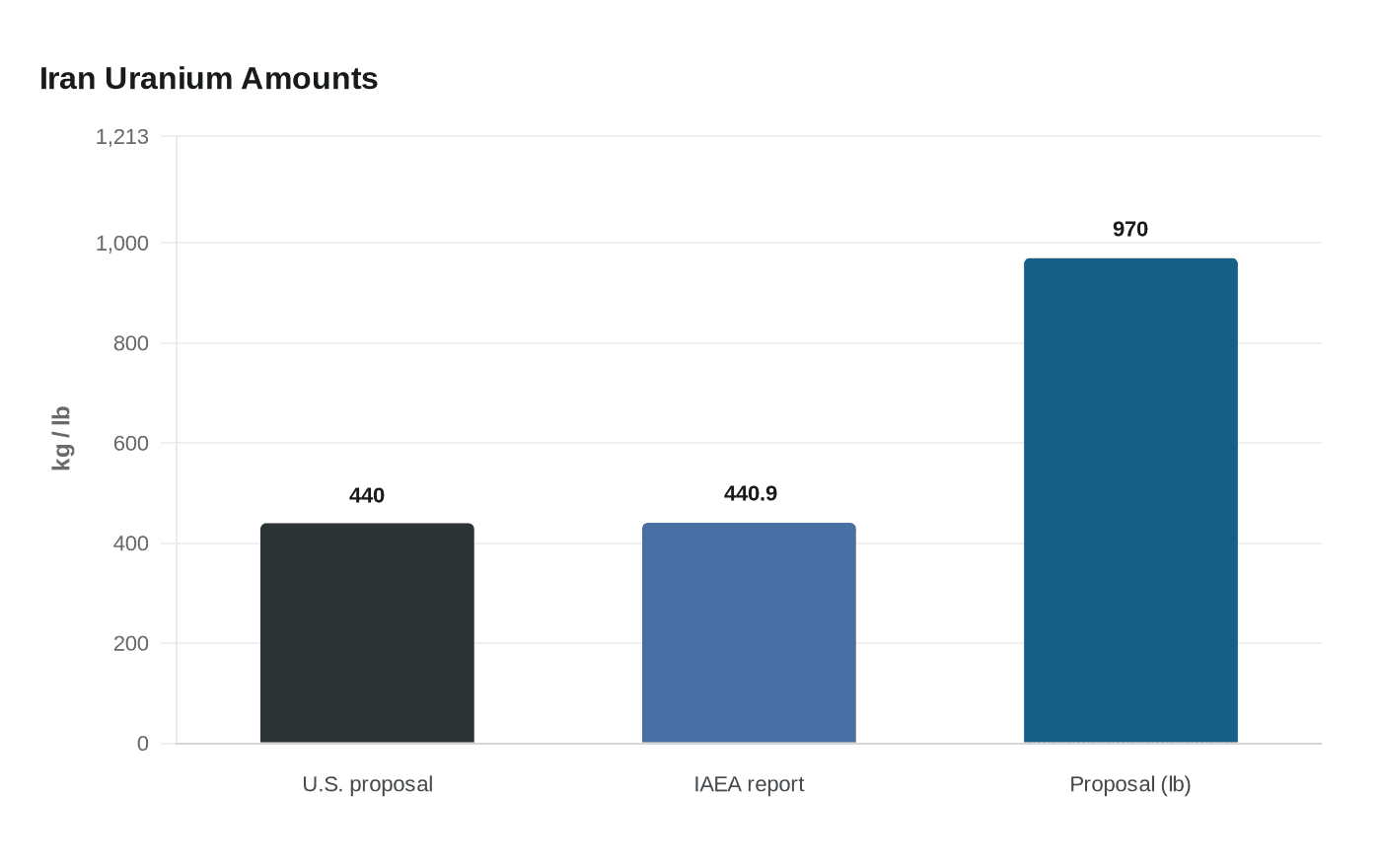
The U.S. proposal, described as a 14-point document, would require Iran to halt uranium enrichment for at least 12 years and hand over an estimated 440 kilograms, or 970 pounds, of uranium enriched to 60%. It would also require reopening the Strait of Hormuz within 30 days, in return for phased sanctions relief and access to frozen Iranian assets. That mix of restrictions and incentives shows the core bargaining line: Washington wants verifiable limits on Iran’s nuclear program, while Tehran is being asked to give up the stockpile that gives it the most immediate bargaining power.
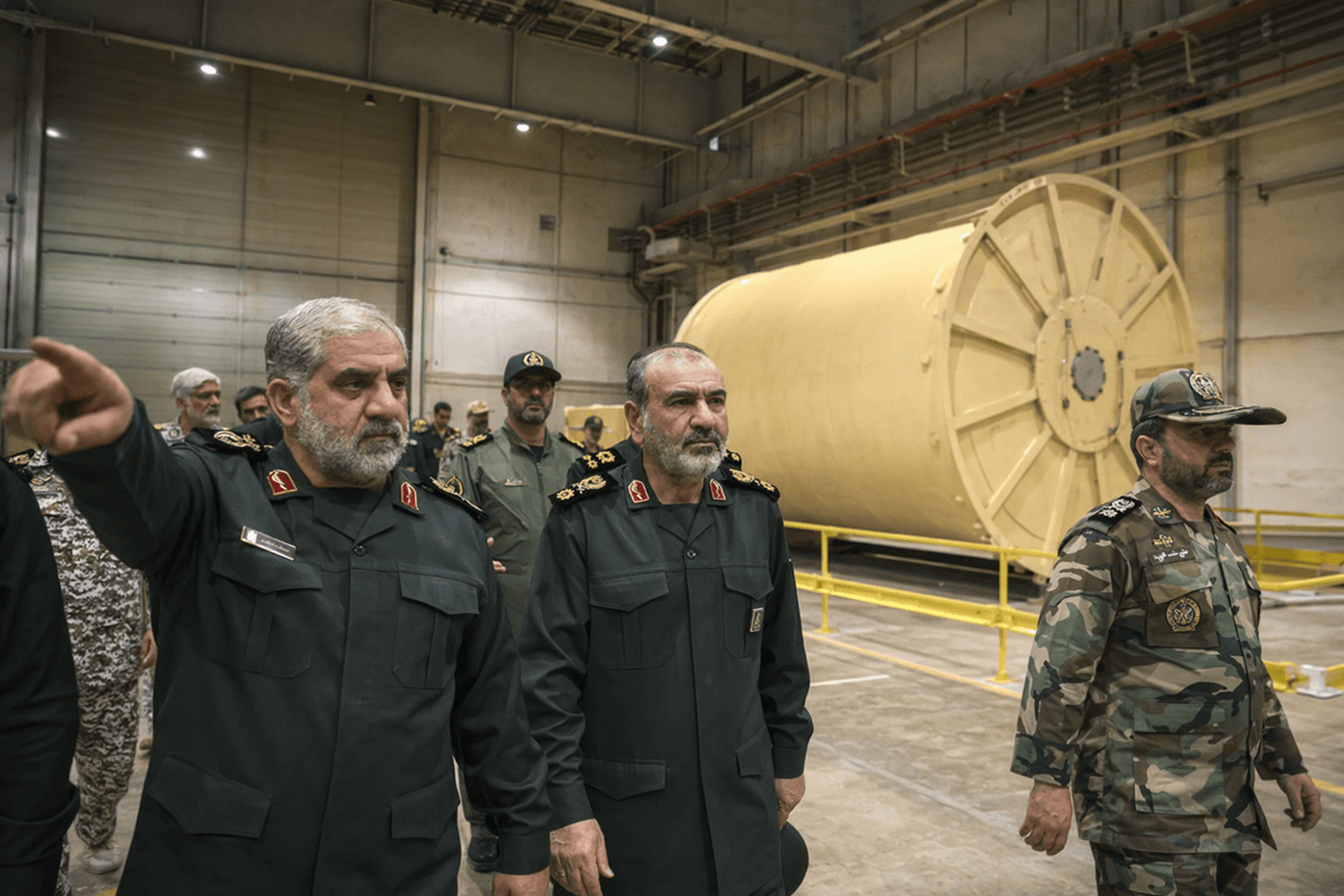
Iran had not formally responded as of May 10, 2026, and officials in Tehran said they were still reviewing the text. The Trump administration had expected an answer by Friday, while Secretary of State Marco Rubio said the United States expected a response within hours. Iranian lawmakers pushed back publicly, with parliament foreign policy committee spokesman Ebrahim Rezaei calling the proposal more of an American “wish-list,” and Parliament Speaker Mohammad Bagher Ghalibaf mocking claims that a deal was close. Tehran’s message was that any agreement had to be fair and comprehensive, not a surrender document.
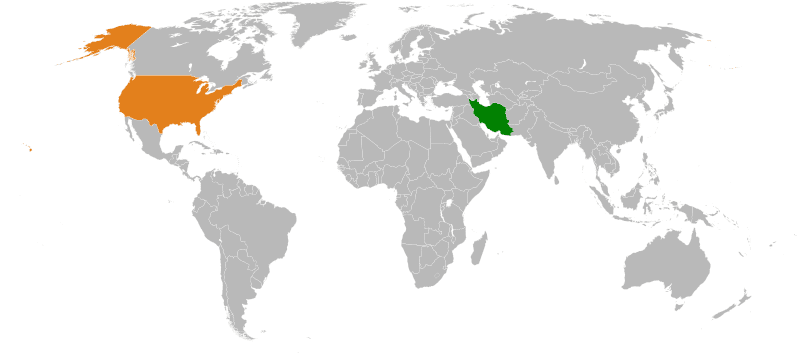
The dispute sits atop a deeper rupture that began when the United States withdrew from the 2015 nuclear deal in 2018. The International Atomic Energy Agency reported that Iran had 440.9 kilograms of uranium enriched up to 60% as of June 13, 2025, a level far above civilian needs and far closer to the threshold that raises proliferation alarms. Weapons-grade uranium is generally considered to be enriched to 90%, and inspectors have warned that they lack full access to some sites after the 2025 to 2026 conflict, making the stockpile both a political and verification problem.
The Strait of Hormuz gives the dispute global economic weight because roughly one-fifth of the world’s crude oil and gas passes through it. Trump has repeatedly said Iran will never get a nuclear weapon, and in March 2026 he suggested the United States could seize Iran’s enriched uranium if a deal were reached. Analysts at Carnegie argue that Iran may believe its ability to disrupt shipping gives it room to rebuild its program quietly. What would mark a real shift is not another warning or slogan, but a written commitment to lower enrichment, restore intrusive inspections, and accept limits that neither side has yet been willing to define as enough.
This article was produced by Prism’s automated news system from verified source data, official records, and press releases, then run through automated quality and moderation checks before publishing. The system is built and supervised by the people who set the standards it runs under. Read our full AI policy.
Did this article answer your question?


