Netanyahu says Israel should phase out U.S. military aid over time
Netanyahu said Israel should “wean ourselves” from U.S. military support as Washington has already sent more than $130 billion since 1948.
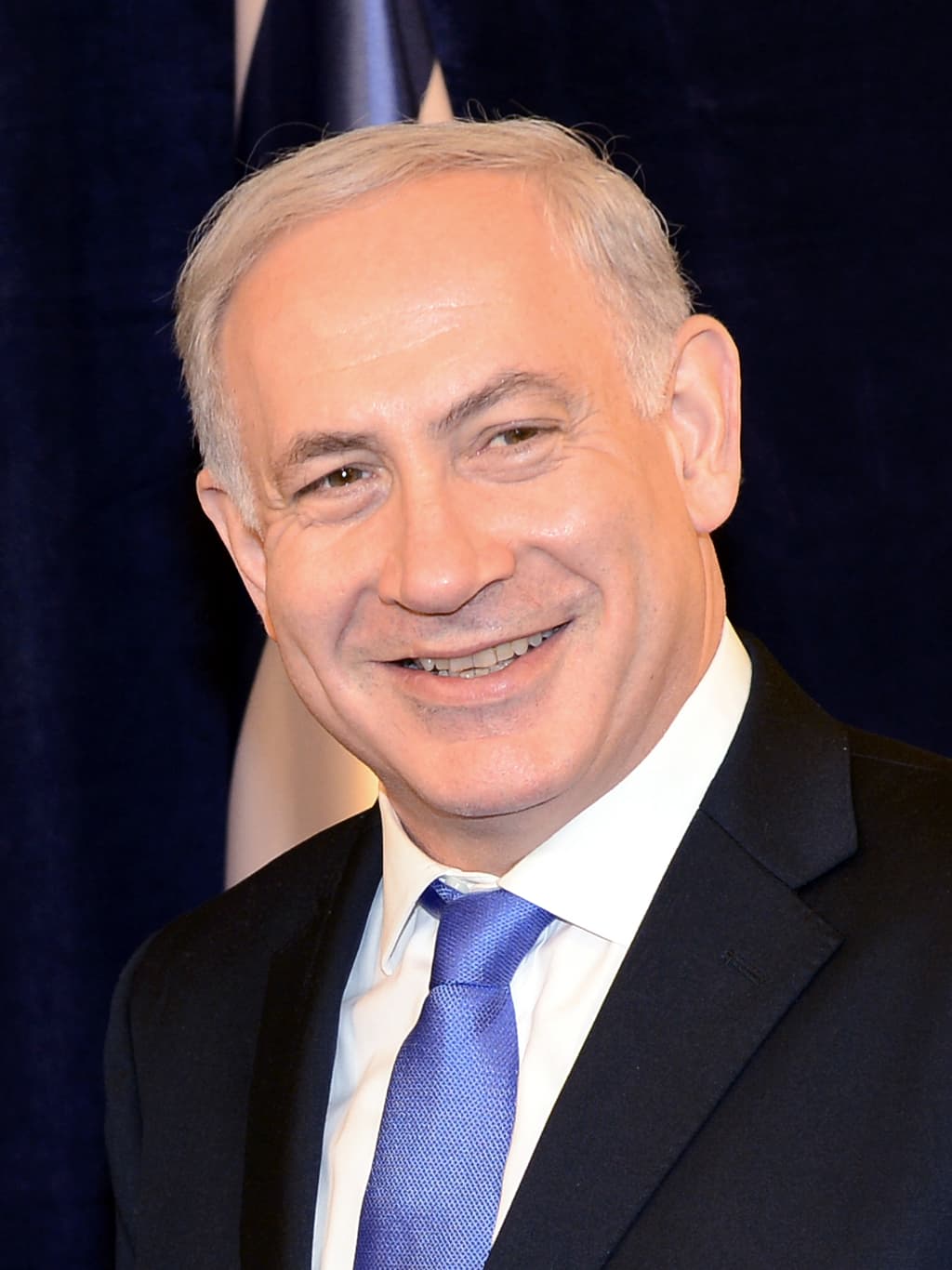
Benjamin Netanyahu used a prime-time American interview to make a strikingly different argument about Israel’s security future: the country should eventually stop relying on U.S. military aid. Speaking on 60 Minutes, the Israeli prime minister said, “It’s time that we weaned ourselves from the remaining military support,” sharpening a message he had already floated earlier in the year when he told The Economist he wanted to “taper off” U.S. military aid over the next decade and, when pressed, said that meant taking aid to zero.
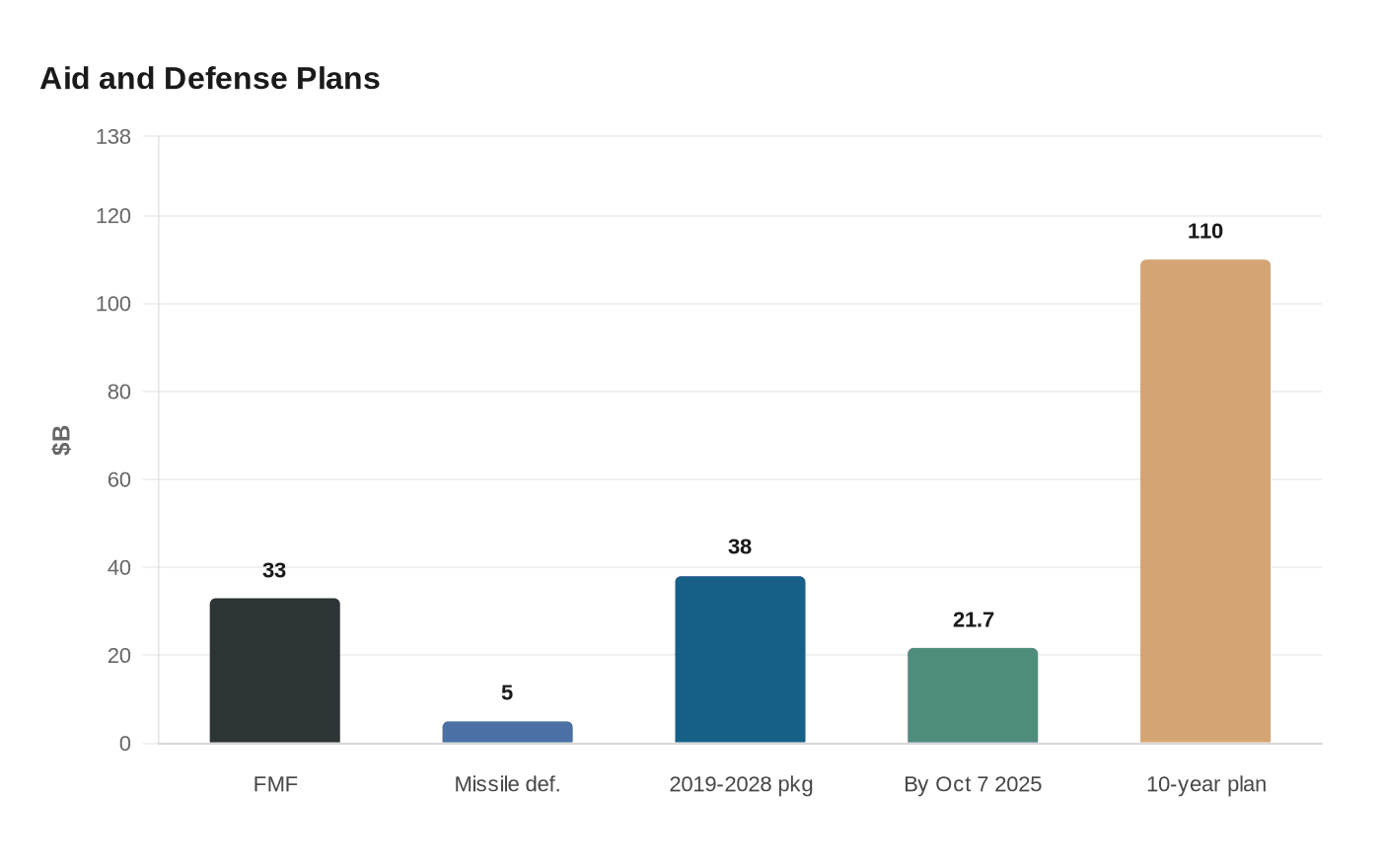
The timing matters because the aid relationship is not symbolic. The United States says it has provided Israel with more than $130 billion in bilateral assistance since 1948, making Israel the largest cumulative recipient of U.S. foreign aid since World War II. Under the current 10-year memorandum of understanding signed in 2016, Washington pledged $38 billion for fiscal years 2019 through 2028, including $33 billion in Foreign Military Financing and $5 billion for missile defense. The package averages $3.8 billion a year and remains the baseline for the security relationship until it expires.
Any real phaseout would therefore be more than a talking point. It would have to be reflected in the next round of U.S.-Israel security negotiations, because the existing deal runs through FY2028. It would also require Israel to replace not just American financing but the weapons ecosystem that has long tied Jerusalem to Washington, from procurement to missile defense. That is why Netanyahu has linked the idea to a broader push for self-reliance, including expanding domestic weapons production and reducing dependence on foreign suppliers.
The war in Gaza has made that dependence even more politically charged. A Brown University Costs of War Project report said the United States had provided at least $21.7 billion in military aid to Israel by October 7, 2025, after the conflict began two years earlier. Netanyahu’s own comments in late 2025 about a 350 billion shekel, or about $110 billion, 10-year plan for a more independent arms industry suggested that the aid debate is also a debate about industrial policy, budgets and sovereignty.
Reactions were immediate. Senator Lindsey Graham welcomed the idea of ending U.S. military aid and said he would support accelerating the process. For supporters, Netanyahu’s remarks signal a future in which Israel carries more of its own defense burden. For critics, they read as a political message aimed at Washington and a domestic audience already wrestling with the cost of war, the politics of dependency and the limits of U.S. leverage.
This article was produced by Prism’s automated news system from verified source data, official records, and press releases, then run through automated quality and moderation checks before publishing. The system is built and supervised by the people who set the standards it runs under. Read our full AI policy.
Did this article answer your question?


