Trump Rejects Iran Cease-Fire Proposal as Hormuz Talks Continue
Trump called Iran’s reply “TOTALLY UNACCEPTABLE” as cease-fire talks turned on a 30-day extension and whether shipping could resume through Hormuz.
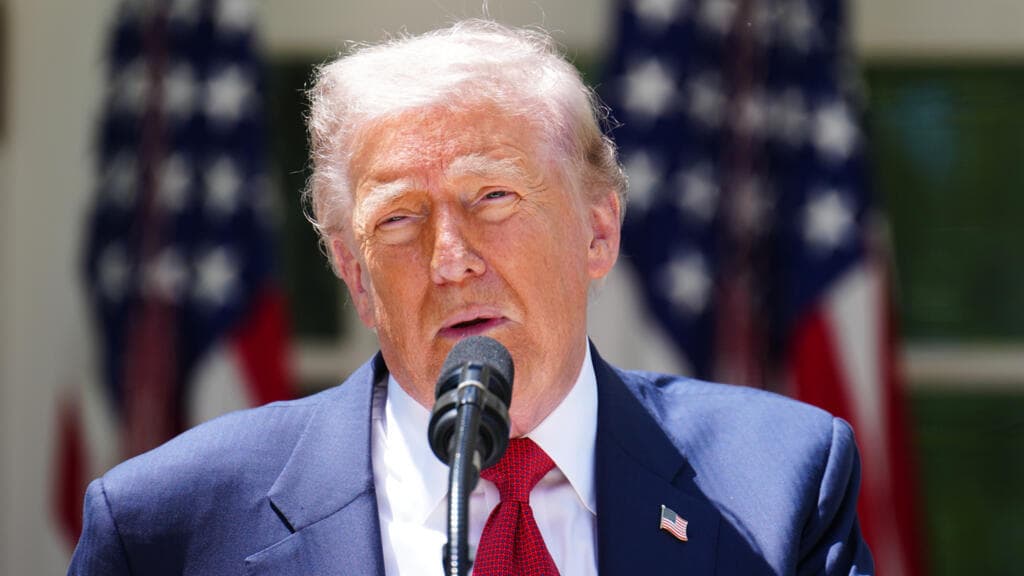
Donald Trump rejected Iran’s latest reply to a U.S. peace proposal, calling it “TOTALLY UNACCEPTABLE” as the negotiations narrowed to a fragile cease-fire extension and the future of shipping through the Strait of Hormuz.
The immediate dispute is no longer only about ending the fighting. It is about whether the two sides can agree to a 30-day extension to the cease-fire, restore traffic through one of the world’s most important energy chokepoints and avoid another direct U.S.-Iran escalation. Trump’s public dismissal signaled that Washington wants more concessions before any broader deal, even as back-channel talks continued through Pakistan, which carried Iran’s response to the U.S. proposal.
The Iranian side has framed the sequence differently. A senior Iranian official said an earlier proposal would reopen shipping in the Strait of Hormuz and end the U.S. blockade of Iran, while deferring nuclear talks to a later stage. Other coverage said that package could include a 15-year freeze on enrichment, underscoring how the talks have split into immediate security questions and much harder nuclear terms that remain unresolved.
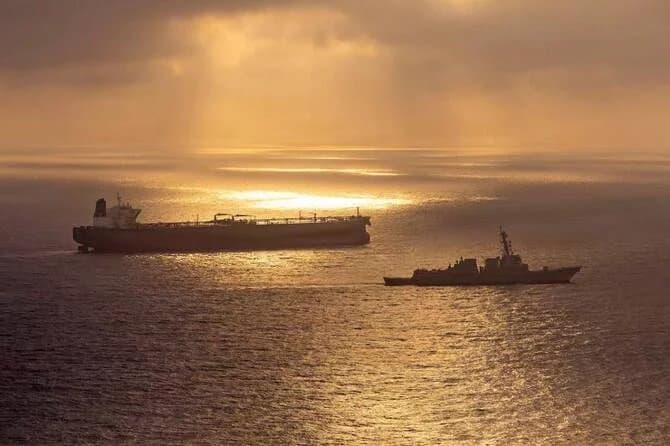
The timing matters because the cease-fire stayed under strain in early May after fresh clashes in and around the Strait of Hormuz. U.S. military leaders said the cease-fire was still in effect after Iran was blamed for new attacks in the strait and against the United Arab Emirates. At the same time, ships were allowed to pass through the blockaded waterway as negotiations went on, a sign that both sides were testing how far they could push without triggering a wider rupture.
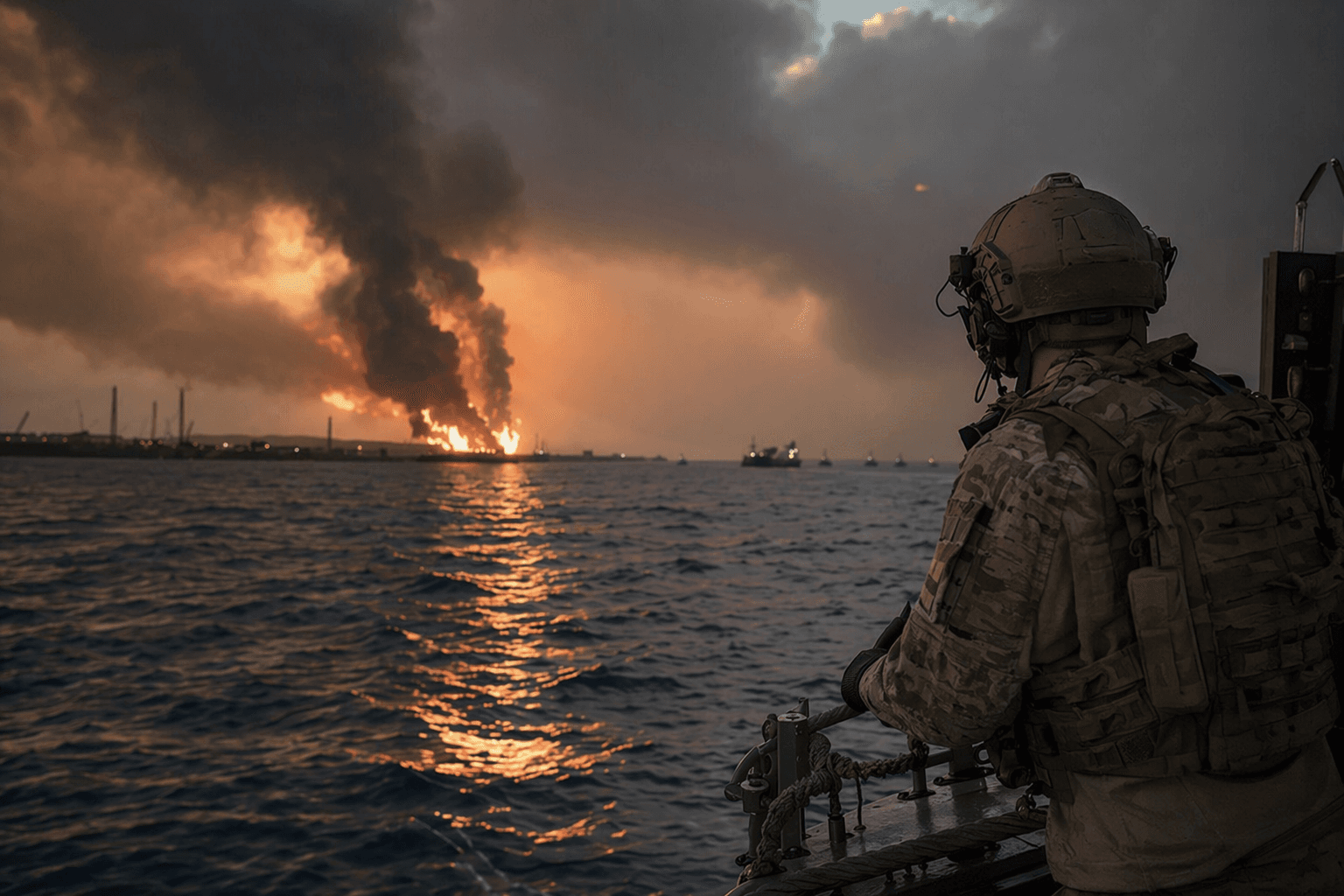
The Strait of Hormuz handles a crucial share of oil and gas shipments from the Persian Gulf, so even a short interruption can ripple through energy markets, insurance costs and international trade. That gives the talks an economic urgency beyond the battlefield: reopening the strait would ease pressure on global shipping, while renewed disruption could quickly lift fuel prices and deepen the risk of regional spillover.
The result is a phased and precarious diplomatic track. The first test is whether the cease-fire can hold long enough for maritime traffic to stabilize. The bigger test is whether Trump and Iranian officials can move from temporary restraint to a broader arrangement before another exchange in the strait collapses the talks entirely.
Know something we missed? Have a correction or additional information?
Submit a Tip